Introduction
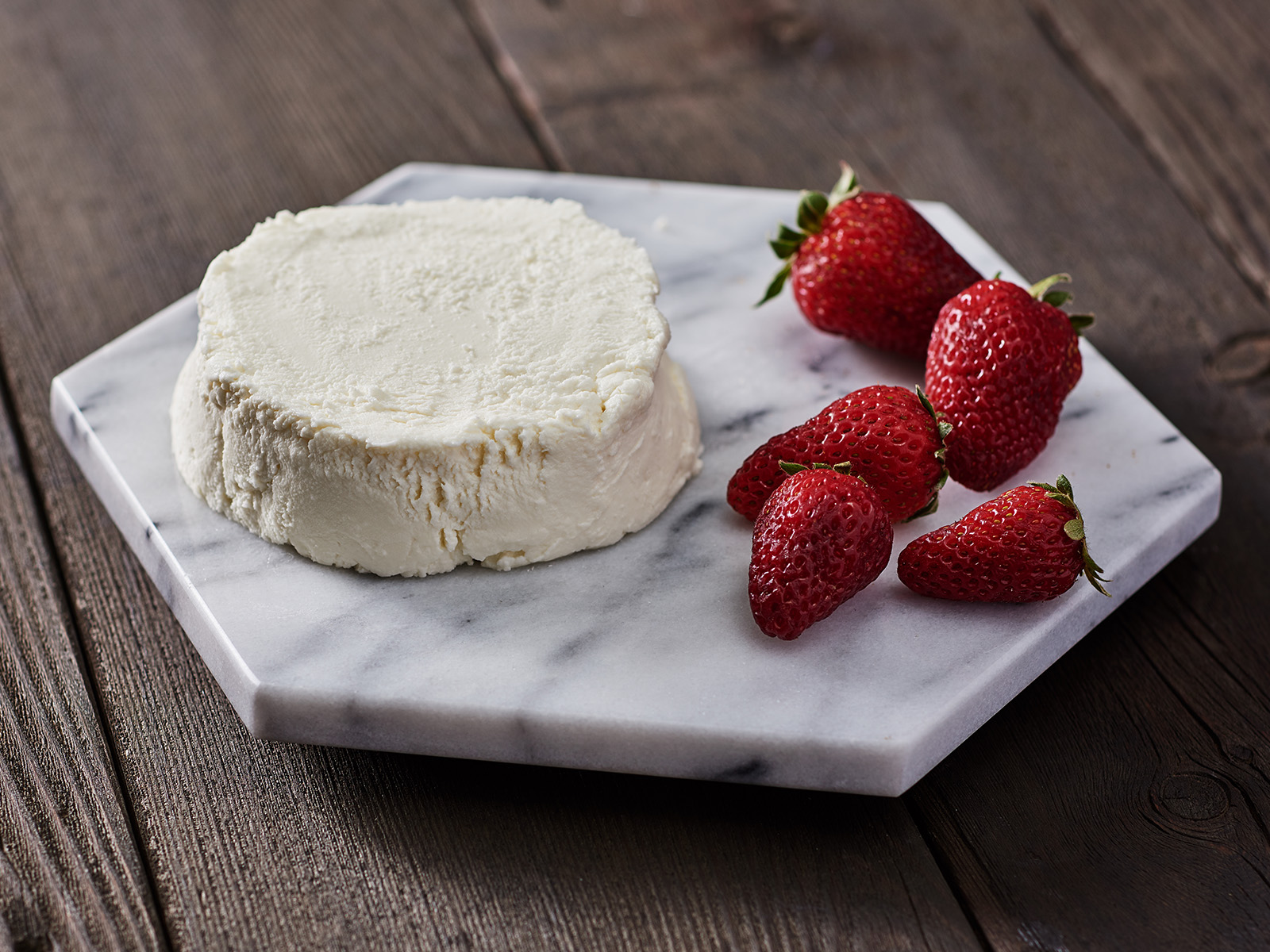
Quark is a soft, creamy fresh cheese that has been a familiar part of everyday cooking in Germany and other parts of Central Europe for generations. Although it may look similar to thick yogurt, this dairy product has its own texture, flavor, and place in traditional European recipes.
From a quick breakfast with fresh fruit to a homemade German cheesecake, quark can be used in both sweet and savory dishes. Its mild, slightly tangy taste makes it easy to combine with other ingredients, while its consistency works well in spreads, dips, desserts, and baking.
One reason quark has attracted attention outside Europe is its versatility. Depending on the variety, it can provide a substantial amount of protein while containing relatively little fat. It is also available in different fat levels, so people can choose a version that suits their cooking preferences.
If you have never tried it before, you may wonder what quark tastes like, whether it is cheese or yogurt, and how to use it in everyday meals. This guide answers those questions and shares five simple ways to enjoy Germany’s popular fresh cheese.
What Is Quark Cheese?
Quark is a fresh, unripened dairy cheese made by culturing milk and allowing it to form curds. Some production methods also use rennet to help the milk coagulate. The curds are then separated from some of the liquid whey to create a soft, creamy product.
Unlike aged cheeses, quark does not need a long maturation period. It is generally sold fresh in tubs and is ready to eat straight from the package.
Quark is particularly popular in Germany, where it is known as Speisequark. In Austria, a closely related fresh cheese is commonly called Topfen. Similar products and variations are found in other European countries.
The consistency of quark depends on how it is produced and how much liquid is removed. Some varieties are thick and firm, while others are smooth and spoonable. Cream may also be added to create a richer product.
In Germany, quark is used for breakfast, snacks, traditional desserts, baked goods, and savory dishes. It is a practical ingredient for home cooks because it can be served plain or combined with a wide range of flavors.
What Does Quark Taste Like?
Quark has a mild dairy flavor with a gentle tang. It is generally less sharp than strongly flavored cheeses and has no hard rind or mature cheese texture.
Its taste can vary according to the milk, fat content, and production method. Plain quark is usually neutral enough to work with both sweet and savory ingredients.
For a sweet dish, you can combine it with honey, berries, bananas, or a little vanilla. For a savory meal, garlic, black pepper, fresh herbs, and a pinch of salt can turn it into a flavorful spread or dip.
Its texture is another important feature. Quark is often smoother than traditional cottage cheese because it does not usually have the same large, distinct curds. Compared with cream cheese, it can feel lighter and less rich, particularly when you choose a low-fat variety.
Quark vs. Yogurt vs. Cream Cheese
Quark, yogurt, and cream cheese may look similar on the shelf, but they differ in production, texture, and typical uses.
| Feature | Quark | Yogurt | Cream cheese |
|---|---|---|---|
| Product type | Fresh cheese | Fermented dairy product | Fresh cheese |
| Texture | Soft, thick, creamy | Smooth, usually spoonable | Thick and rich |
| Flavor | Mild and slightly tangy | Tangy, with variation by type | Mild and creamy |
| Common uses | Spreads, baking, desserts | Breakfast, snacks, sauces | Spreads, frostings, cheesecakes |
| Fat content | Varies by variety | Varies by variety | Often richer, depending on product |
Quark is made using a cheese-making process that separates curds from whey. Yogurt is fermented milk, while cream cheese is generally richer and has a different production method.
Although these products can sometimes replace one another in recipes, the results may differ. Quark may be less rich than cream cheese, while yogurt can contain more liquid than a thick quark variety.
For baking, always consider the recipe’s required consistency. If your quark is particularly wet, draining some of the whey may help.
5 Simple Uses for Quark
One of the best things about quark is that you do not need complicated recipes to enjoy it. These five ideas make it easy to include this German fresh cheese in everyday meals.
1. Make a Quick Breakfast Bowl
Quark works well as the base for a simple breakfast. Its creamy texture pairs naturally with fruit, nuts, oats, and other breakfast ingredients.
To prepare a basic breakfast bowl, place plain quark in a bowl and add sliced bananas, strawberries, blueberries, or your favorite seasonal fruit. Sprinkle oats, chopped almonds, or walnuts on top. If you prefer a sweeter taste, add a small amount of honey.
You can also mix quark with a little milk to create a softer consistency before adding the toppings.
Ingredients:
- 150–200 g plain quark
- A handful of fresh fruit
- 2 tablespoons of oats
- A few nuts or seeds
- Honey, if desired
This breakfast is easy to customize and can provide protein, depending on the quark you use. Fruit and oats also contribute fiber and other nutrients.
For busy mornings, prepare the fruit and other toppings in advance, then combine them with fresh quark when you are ready to eat.
2. Spread Quark on Bread or Toast
Quark can be used as a fresh alternative to butter or some cream cheese spreads. In German-style cooking, it is often served with bread, particularly when mixed with herbs and seasonings.
For a simple savory spread, combine plain quark with finely chopped chives, parsley, a little garlic, black pepper, and salt. Spread the mixture over rye bread, whole-grain toast, or a sandwich.
You can also make a sweet version by mixing quark with honey and serving it on toast with sliced fruit.
Simple preparation:
- Add two or three tablespoons of quark to a small bowl.
- Mix in your preferred herbs or sweet ingredients.
- Adjust the seasoning to taste.
- Spread it over fresh bread or toast.
This option is useful for breakfast, a light lunch, or a quick afternoon snack. You can prepare the spread in a few minutes without using a stove or oven.
3. Prepare a Creamy Herb Dip
If you need a dip for vegetables, crackers, or baked potatoes, quark is an easy ingredient to use.
Its mild flavor allows herbs and spices to stand out. It can also be mixed with a small amount of lemon juice or milk to achieve the desired consistency.
Ingredients:
- 200 g plain quark
- 1 tablespoon chopped parsley
- 1 tablespoon chopped chives
- 1 small garlic clove, finely minced
- A little lemon juice
- Salt and black pepper to taste
Instructions:
- Place the quark in a bowl.
- Add the chopped herbs and garlic.
- Stir in a little lemon juice.
- Season with salt and black pepper.
- Refrigerate briefly to allow the flavors to combine.
Serve the dip with cucumber sticks, carrots, crackers, roasted vegetables, or baked potatoes.
You can adjust the recipe by adding paprika, dill, or other herbs. For a smoother dip, whisk the ingredients together thoroughly.
This is also a useful alternative when you want a creamy dip without relying entirely on mayonnaise or heavy cream.
4. Bake a Traditional German-Style Cheesecake
Quark is well known in German baking, particularly in Käsekuchen, a traditional cheesecake made with quark as its main dairy ingredient.
Unlike many American-style cheesecakes that rely heavily on cream cheese, a quark cheesecake often has a lighter texture and a fresh dairy flavor. Recipes vary by region and household, with some using pastry bases and others using different cake mixtures.
Quark provides the creamy body of the filling. Eggs help it set during baking, while sugar, vanilla, and lemon zest add sweetness and flavor.
A basic cheesecake filling may include:
- Plain quark
- Eggs
- Sugar
- Vanilla extract
- Lemon zest
- A suitable amount of flour or starch, depending on the recipe
The ingredients are mixed and baked according to the recipe until the filling sets. After baking, the cheesecake should cool before slicing.
For the best results, use quark with the consistency specified in your recipe. If it contains excess liquid, draining it first can help prevent a watery filling.
Quark cheesecake is a good choice for family gatherings, weekend baking, or anyone who wants to explore traditional German desserts.
5. Use Quark in Baking and Creamy Sauces
Beyond cheesecake, quark can be used in several other recipes. It adds moisture and a soft texture to certain baked goods, and it can help create creamy sauces and dressings.
In baking, quark appears in pastries, sweet rolls, dumplings, and some quick dough recipes. It can help produce a tender texture when combined with the right proportions of flour, eggs, and other ingredients.
For a simple salad dressing, whisk a few spoonfuls of quark with lemon juice, a little water or milk, chopped herbs, and seasoning. Add more liquid until the dressing reaches the consistency you want.
You can also stir quark into mashed potatoes or serve a seasoned mixture alongside boiled potatoes. In Germany, herb quark with potatoes is a familiar combination.
When using quark in a hot sauce, avoid boiling it aggressively. High heat can cause dairy mixtures to separate or become grainy. Stir it in gently near the end of cooking and follow the recipe’s instructions.
Quark is versatile, but it is not a perfect one-to-one substitute for every dairy ingredient. Consider its moisture level, acidity, and fat content before replacing cream, yogurt, or cream cheese in a recipe.
Is Quark Healthy?
Quark can be part of a balanced diet. Its nutritional value depends on the type of milk used, the amount of fat in the product, and whether sugar or other ingredients have been added.
Plain quark is generally a source of protein and calcium. Protein helps the body build and maintain muscle and other tissues, while calcium contributes to normal bone and tooth health.
Low-fat varieties may contain relatively little fat, making them an option for people who prefer leaner dairy products. Full-fat versions provide a richer texture and generally contain more fat and calories.
However, no single food is automatically healthy for everyone. The best choice depends on your overall diet, nutritional needs, portion sizes, and any dietary restrictions.
When comparing products, check the nutrition label rather than assuming every type of quark has the same nutritional profile.
What Nutrients Does Quark Provide?
| Nutrient or feature | Why it matters |
|---|---|
| Protein | Helps maintain and repair body tissues |
| Calcium | Supports normal bones and teeth |
| Fat | Supplies energy; the amount varies by variety |
| Calories | Depend on fat content and added ingredients |
| Added sugar | May be higher in flavored or sweetened varieties |
Plain quark is usually a more flexible choice if you want to control the amount of sugar in your meal. You can add fresh fruit or other ingredients according to your taste.
People with milk allergies should avoid quark made from the milk they are allergic to. Quark also generally contains lactose unless the package specifically states that it is lactose-free. Anyone with lactose intolerance should check the product label and consider their individual tolerance.
How to Store Quark Properly
Because quark is a fresh dairy product, correct storage is important for maintaining its quality and safety.
Keep it refrigerated at the temperature recommended on the package. Close the container securely after opening and use clean utensils when serving it.
Follow the manufacturer’s use-by date and any instructions provided for opened packaging. Avoid leaving quark at room temperature for extended periods.
If the product develops visible mold, an unusual smell, or other signs of spoilage, discard it rather than tasting it to check whether it is safe.
Freezing may affect its smooth texture, so thawed quark may be better suited to cooking or baking than to eating plain. Follow the manufacturer’s storage guidance whenever possible.
Where Can You Buy Quark?
In Germany, quark is widely available in supermarket dairy sections, usually near yogurt, fresh cheese, and other refrigerated products.
Outside Germany, availability depends on the country and retailer. You may find it in European grocery stores, specialty food shops, selected supermarkets, or online grocery services.
Look for labels such as Quark, Speisequark, or Magerquark. Magerquark generally refers to a low-fat variety.
If you cannot find quark locally, fromage blanc or certain thick fresh cheeses may work as substitutes in selected recipes. Greek yogurt can also work in some dips and breakfast bowls, although its texture and flavor will differ.
For traditional German cheesecake, a substitute may change the final result, so choose one based on the recipe rather than assuming all fresh dairy products are identical.
Frequently Asked Questions About Quark
1. Is quark a cheese or a yogurt?
Quark is a fresh cheese made by culturing milk and separating curds from whey. Although it can look similar to thick yogurt, it is produced differently and is classified as a cheese.
2. Why is quark popular in Germany?
Quark is affordable, versatile, and easy to use in both sweet and savory dishes. German households use it in breakfast bowls, bread spreads, herb dips, traditional cheesecakes, and other baked goods.
3. What is the best way to eat quark?
You can eat plain quark with fresh fruit, oats, or honey, spread it on bread, mix it with herbs for a dip, or use it in cheesecake. The best method depends on whether you prefer sweet or savory foods.
4. Does quark taste like cream cheese?
Quark and cream cheese share a mild dairy flavor, but their textures and richness can differ. Quark is often lighter and slightly tangy, while cream cheese is generally richer and denser.
5. Is quark high in protein?
Quark can be a good source of protein, particularly low-fat varieties. However, the exact amount depends on the brand and product. Check the nutrition label for accurate values per serving.
6. Can quark replace Greek yogurt?
Quark can replace Greek yogurt in some breakfast bowls, dips, and cold sauces. However, the texture and taste may change, and the substitution may not work equally well in every recipe.
7. Can you cook with quark?
Yes. Quark is used in cheesecake, pastries, dumplings, dips, dressings, and potato dishes. For hot sauces, add it gently and avoid excessive heat to help maintain a smooth consistency.
8. Is quark suitable for a low-fat diet?
Low-fat quark may fit a low-fat eating plan, but the nutritional profile varies by product. Compare the fat and calorie values on the label and choose the version that meets your needs.
9. Is quark lactose-free?
Most ordinary quark contains lactose because it is made from milk. Lactose-free varieties may be available, but you should check the packaging rather than assuming a product is lactose-free.
10. How long does quark last after opening?
The storage period varies by product. Keep it refrigerated, follow the package instructions, and use it within the recommended period after opening.
Final Thoughts
Quark is a simple yet versatile fresh cheese that deserves a place in more kitchens. Its mild flavor, creamy texture, and ability to work in both sweet and savory dishes make it useful for everything from a quick breakfast to traditional German cheesecake.
The five easiest ways to start are to make a fruit bowl, spread quark on toast, prepare an herb dip, bake a cheesecake, or use it in dressings and other recipes.
You do not need complicated ingredients or advanced cooking skills to enjoy it. Start with plain quark, experiment with a few combinations, and choose the texture and fat level that suit your preferences.
Whether you are exploring German food or simply looking for a new ingredient for everyday meals, quark offers plenty of practical options.