Introduction Commensality
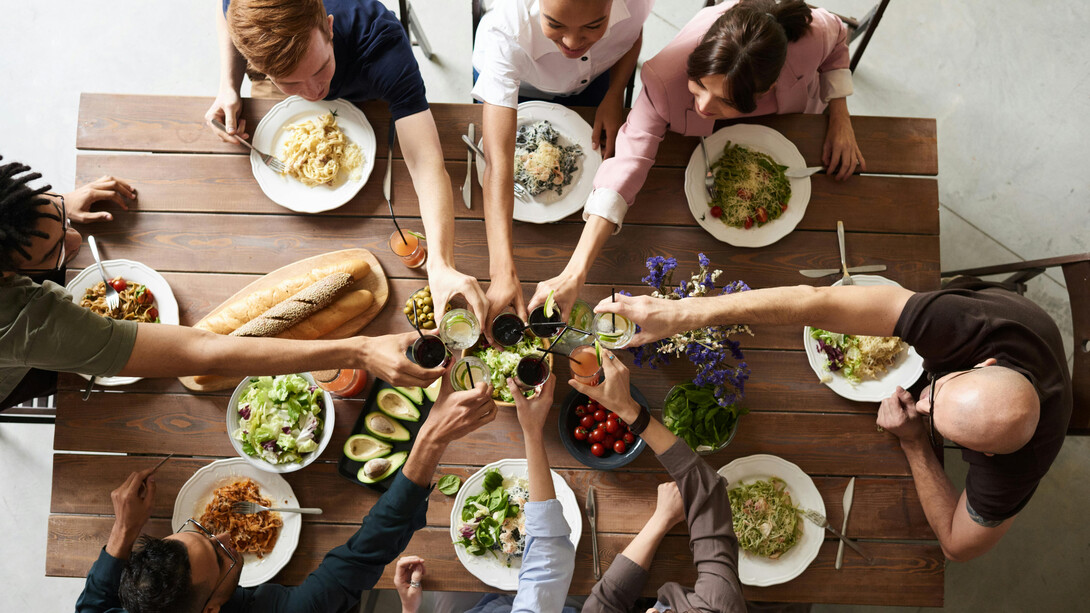
Commensality, derived from the Latin word com-, meaning “together,” and mensa, meaning “table,” refers to the practice of sharing a meal together. It’s more than just eating food in the same place at the same time; it is about building connections, fostering a sense of community, and expressing cultural values. In many societies, commensality is an integral part of social life, symbolizing friendship, family bonds, or even diplomatic relations. Whether it’s a simple dinner with friends or an elaborate feast at a wedding, the act of sharing food can reveal a great deal about social structures, cultural norms, and even the ways in which we interact with one another.
This article explores the significance of commensality in human life, its historical and cultural roots, its psychological and social benefits, and its evolving nature in the modern world.
The Origins and Cultural Significance of Commensality
The idea of sharing meals together has been a cornerstone of human civilization for centuries. From ancient rituals to modern-day family dinners, commensality serves as a vehicle for social cohesion. Throughout history, sharing food has been a way to create and reinforce ties between individuals and groups.
In ancient Rome, for example, the convivium was an essential part of Roman life. It was a communal event where people gathered to eat, drink, and discuss matters of importance, often creating political alliances. Similarly, in many indigenous cultures, communal meals are vital to fostering cooperation and reinforcing collective identity. The communal pot, the shared hunt, and the common hearth were the centers of life in many pre-industrial societies.
In religious traditions, commensality has profound spiritual meaning. In Christianity, the Eucharist represents a shared meal that binds the faithful to Christ and to each other. In Judaism, the Shabbat dinner is not just about eating; it’s a time for reflection, rest, and connection with family and community. The concept of a communal meal also plays an essential role in Islam, with the practice of breaking the fast together during Ramadan reinforcing the bonds of solidarity and mutual support.
Cultural differences can influence the dynamics of commensality. In many Asian cultures, food is often shared communally from common dishes, emphasizing the values of cooperation, generosity, and respect. On the other hand, Western traditions tend to prioritize individual servings, though family-style dining is also common in certain settings.
The Social and Psychological Impact of Sharing Meals
One of the primary benefits of commensality is its ability to foster social connections. Eating together offers an opportunity for meaningful interaction, which is essential for emotional well-being. Research shows that shared meals promote positive communication, enhance relationships, and contribute to a sense of belonging. In a study conducted by the National Center on Addiction and Substance Abuse at Columbia University, it was found that children and adolescents who have regular family meals are less likely to engage in risky behaviors, including substance abuse.
Beyond the family setting, commensality strengthens friendships, romantic relationships, and even professional networks. A business lunch or dinner can be a powerful way to build rapport, establish trust, and foster collaboration. The shared experience of a meal breaks down formal barriers, making it easier to engage in open conversation.
Psychologically, sharing a meal with others creates feelings of safety and warmth. The act of eating together promotes the release of oxytocin, the hormone often referred to as the “love hormone,” which is associated with bonding and positive social interactions. This is why meals in the company of loved ones can have a calming and reassuring effect.
Furthermore, eating together can be an opportunity for shared cultural expression. Food, as a sensory experience, engages all the senses—taste, smell, sight, and even sound. It becomes a medium through which individuals can share their history, heritage, and personal stories. In this way, commensality is not just a physical act but a cultural and emotional exchange.
Commensality in the Modern World
In today’s fast-paced, globalized society, the nature of commensality has evolved significantly. Modern life, with its focus on individualism, technology, and busy schedules, has shifted the way we approach meals. Many people eat alone or in front of screens, such as TVs or smartphones, rather than around a table with others. In fact, the rise of “fast food” culture and the prevalence of eating on the go has diminished the tradition of shared meals for some.
However, despite these shifts, there has been a resurgence of interest in the social and cultural value of commensality in recent years. The slow food movement, for instance, advocates for a return to communal dining and the celebration of traditional food preparation methods. At the same time, many people are seeking ways to reconnect with others through food, whether through family dinners, dinner parties, or even virtual meals shared via video calls.
Social media platforms have also become spaces for sharing food-related experiences. The hashtag #foodie has exploded in popularity, with millions of people posting photos of their meals, whether homemade or enjoyed at a restaurant. While this might seem to be a more individualistic act, it also creates a virtual community where food is a focal point for connection.
In the professional world, there has also been a shift toward recognizing the power of shared meals in team-building and networking. Many companies now use “lunch and learn” sessions, catered team lunches, or even off-site dinner meetings to strengthen employee relationships and encourage collaboration.
The Environmental and Ethical Dimensions of Commensality
The modern practice of commensality is not without its challenges. In the face of climate change and environmental degradation, the global food system is undergoing significant changes. Many people are now more conscious of where their food comes from, how it is produced, and its environmental impact. As a result, sustainable eating practices, such as eating locally sourced, plant-based, or organic foods, are becoming more common.
This shift in dietary habits has also sparked a renewed focus on the ethical dimensions of food production. For example, communal meals that promote ethical eating choices can raise awareness about issues such as food justice, fair trade, and animal rights. In many communities, shared meals are an opportunity to engage in discussions about these pressing concerns.
In some cultures, communal meals serve as a platform for addressing social inequality and food insecurity. Food banks, soup kitchens, and community meals provide an opportunity for individuals to share resources and support one another. In this sense, commensality becomes a vehicle for social change, where the act of eating together can foster solidarity and collective action.
The Future of Commensality
As we move further into the 21st century, the practice of commensality will likely continue to evolve. The increasing use of technology, the rise of virtual dining experiences, and the growing awareness of sustainability and ethical food choices all suggest that the way we share meals will continue to change. However, the fundamental social and emotional benefits of eating together will remain, highlighting the enduring power of food to connect people.
In conclusion, commensality is much more than a physical act of eating. It is a powerful social, cultural, and emotional experience that fosters connections, builds communities, and reinforces shared values. Whether through a family dinner, a religious ritual, a business lunch, or a community feast, the act of sharing a meal remains a fundamental part of the human experience. As we continue to navigate the complexities of modern life, the importance of commensality will remain a timeless and irreplaceable part of our social fabric.









 Ganga Updates11 months ago
 Ganga Quest11 months ago

 Tech11 months ago
 Business11 months ago