Local Information
How to Keep Worksites Safe and Tidy During Construction

Key Takeaways
- Ongoing housekeeping measures significantly decrease on-site accidents and enhance overall project safety.
- Effective waste management protocols and secure storage measures keep the worksite orderly and compliant.
- Investing in regular safety training and fostering open communication fortifies a long-term jobsite safety culture.
Table of Contents
- Importance of Site Housekeeping
- Establishing Regular Cleaning Schedules
- Proper Waste Management
- Safe Storage of Materials and Tools
- Implementing Safety Training Programs
- Conducting Regular Safety Audits
- Utilizing Personal Protective Equipment (PPE)
- Leveraging Technology for Site Safety
- Conclusion
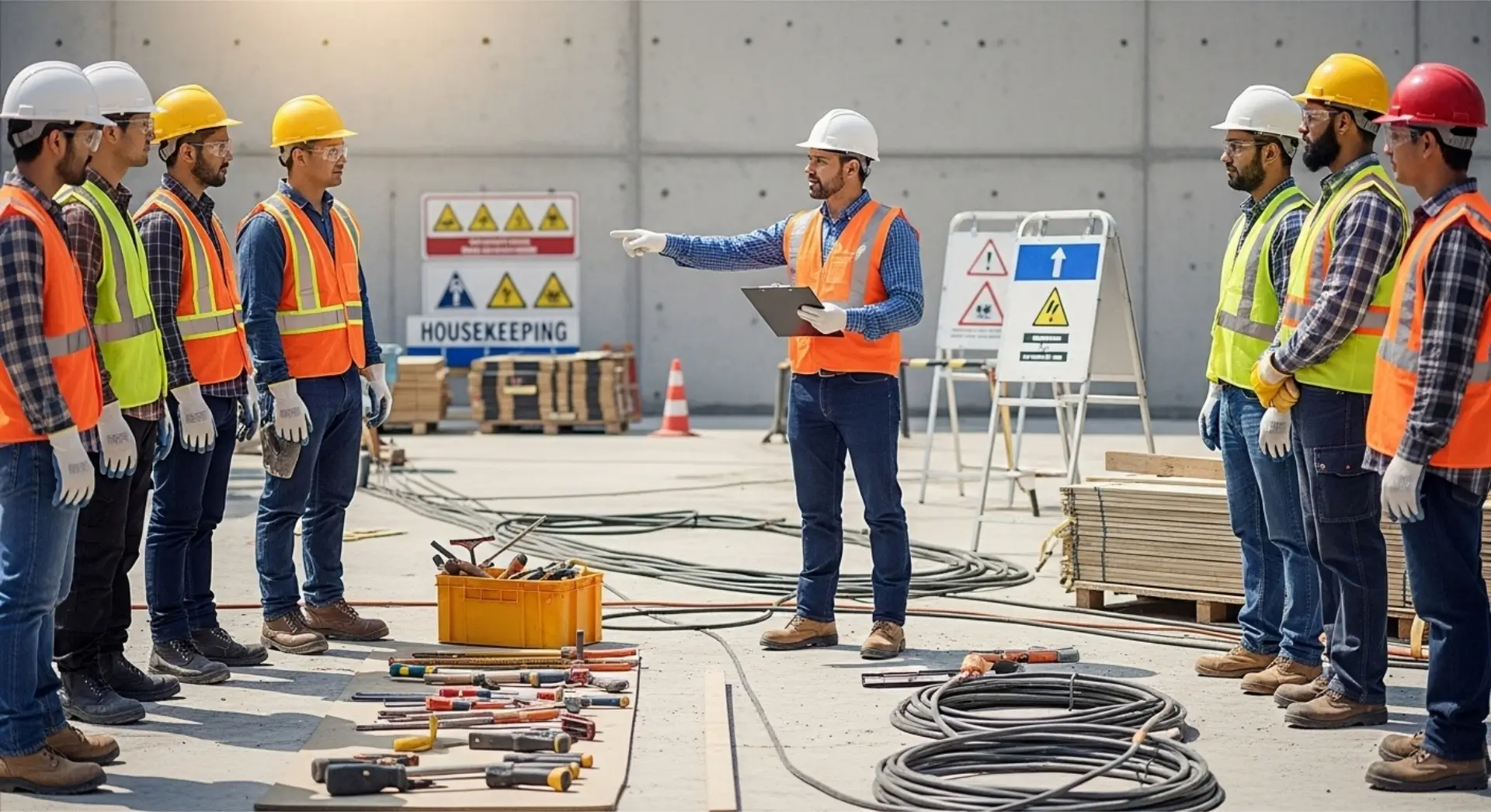
Maintaining a clean and organized construction site is not only fundamental for project workflow but also crucial for worker safety. Disorganized worksites can quickly become hazardous, leading to preventable accidents and delays. From debris piles to misplaced tools, every aspect of site cleanliness contributes to the overall efficiency and security of the job environment. Services dedicated to debris cleaning and clearing play a pivotal role in achieving this standard, ensuring rubbish and hazards are eliminated quickly and consistently.
Proper site management enhances safety and productivity by preventing injuries from tripping, slipping, and equipment mishaps. A clean work environment reflects professionalism and compliance with regulations, benefiting everyone from workers to supervisors. Unique challenges in hygiene exist across construction sites, but a shared commitment to tidiness leads to safer and more organized workspaces. Organizations like OSHA advocate for active site cleanliness management as best practice, emphasizing the importance of regular debris removal to address hazards and promote a disciplined culture among workers promptly.
Importance of Site Housekeeping
Routine checking and regular debris cleaning of worksites is more than a superficial detail; it is a foundational safety practice. Cluttered environments can harbor hidden tripping hazards, sharp objects, and flammable materials, all of which pose serious risks. When projects prioritize daily or even hourly housekeeping routines, they actively reduce opportunities for injuries like slips, trips, and falls—the leading causes of construction-related incidents. Furthermore, clean sites are less likely to attract pests or mold, which can trigger health issues among staff. The importance of consistent, structured housekeeping cannot be overstated in a high-risk sector like construction.
Establishing Regular Cleaning Schedules
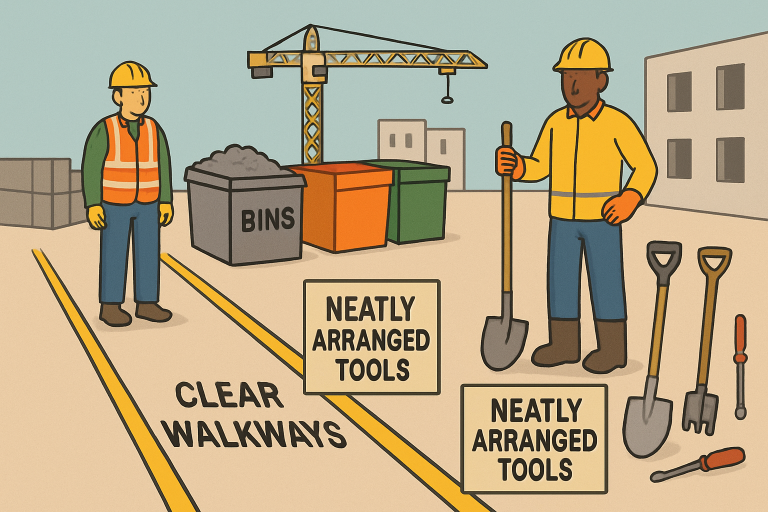
To maintain optimal cleanliness, establishing a structured cleaning schedule is essential. This includes assigning daily, weekly, or both types of routine tasks, such as clearing debris, sweeping, or disinfecting common surfaces. Management should designate responsibilities clearly using logs or digital scheduling systems. This ensures accountability and helps verify that no tasks are overlooked. Rotating these assignments fosters shared responsibility and awareness among all crew members. Review meetings can identify recurring issues and refine processes as the project evolves, supporting proactive rather than reactive responses to site hygiene challenges.
Proper Waste Management
Without a coherent waste management plan, sites can quickly accumulate hazardous debris and clutter. Installing labeled bins for recycling, hazardous, and general waste streamlines disposal and promotes environmental stewardship. Frequently emptied collection points prevent overflow, ensuring waste doesn’t block entrances, exits, or work areas. In addition to safety, responsible waste separation and recycling are becoming increasingly important for regulatory compliance and maintaining a positive environmental reputation. Many industry leaders also partner with local waste professionals for efficient haul-away and recycling.
Safe Storage of Materials and Tools
Tool and material misplacement is a frequent source of jobsite mishaps and financial loss. Implementing vertical and modular storage keeps equipment accessible while freeing vital workspace. Each tool and product should have a designated location, clearly labelled for quick retrieval and inventory checks. Technologies such as RFID tags or barcodes can help monitor inventory, minimizing theft and loss. Proper storage also reduces clutter and makes it easy to spot missing or damaged items, further enhancing site safety.
Implementing Safety Training Programs
Comprehensive safety training keeps workers informed about current risks and emerging best practices. New hires should receive orientation on site-specific hazards and cleanliness protocols. Periodic refresher courses and toolbox talks fortify knowledge retention. Customized training according to job role ensures everyone understands their responsibilities, from junior laborers to experienced foremen. Open forums for questions and suggestions make training more interactive and effective in building a robust safety culture.
Conducting Regular Safety Audits
Scheduled inspections and audits are crucial for detecting overlooked hazards. Using standardized checklists helps ensure uniformity and thoroughness. Involving employees in walk-throughs creates shared ownership and offers real-time opportunities to raise concerns. Record-keeping of findings makes it easier to track improvements and demonstrate compliance in the event of an audit by authorities. Audits also foster continuous improvement, as learning from near-misses or minor incidents can help prevent major accidents.
Utilizing Personal Protective Equipment (PPE)
Personal protective equipment is a simple yet crucial line of defense against injury. Site managers must ensure supplies such as hard hats, gloves, high-visibility vests, and safety glasses are accessible and correctly sized. Providing regular guidance on the correct use, storage, and inspection of PPE minimizes the risk of malfunction or misuse. Enforcement policies, coupled with supportive reminders, maintain staff compliance while nurturing positive safety attitudes.
Leveraging Technology for Site Safety
Modern technology enhances safety and organization in construction through the use of RFID and barcode tracking, which minimizes loss and theft. Mobile applications facilitate task management and hazard reporting, enhancing efficiency and providing valuable data for future improvements. The rise of digital tools, including sensors and predictive analytics, promotes proactive risk management. Such strategies lead to orderly sites, reduced hazards, and improved productivity, ultimately benefiting project outcomes, worker satisfaction, and regulatory compliance.
Conclusion
Practical site housekeeping is a cornerstone of construction safety and operational efficiency. By combining regular cleaning routines, structured schedules, proper waste management, and safe storage practices, worksites can significantly reduce hazards and prevent avoidable incidents. When these efforts are reinforced through ongoing safety training, routine audits, the proper use of PPE, and the strategic application of technology, they create a cohesive safety system rather than isolated measures. Together, these practices foster a culture of accountability and awareness, helping protect workers, maintain compliance, and support smoother project execution in an inherently high-risk industry.

-
 Tech5 months ago
Remote Work: A Complete Guide to Working from Anywhere
-
 Tech5 months ago
Twizchat.com: The Future of Real-Time Online Communication
-

 Ganga Quest11 months ago
Ganga Quest
-

 Ganga Updates11 months ago
Latest News, Photos, Videos on Ganga Floods
-
 Tech6 months ago
Top 10 Digital Printing Companies in Chicago
-

 Tech11 months ago
InternetChocks: Understanding Their Role in Online Security
-

 Business11 months ago
How To Win Buyers And Influence Sales with MYPASCOCONNECT
-
 Lifestyle6 months ago
Creative Grounding Techniques for Everyday Stress Relief