Connect with us

Lifestyle

How Animal Readings Can Strengthen Your Bond with Your Pet

Published

on

Key Takeaways

  • Animal readings help owners better understand their pets’ emotions, needs, and behaviors.
  • Insights from readings can improve communication, reduce stress, and address behavioral challenges.
  • Recognizing and responding to subtle cues fosters a deeper, more trusting bond.
  • Incorporating readings into daily routines enhances pets’ comfort, happiness, and overall well-being.
  • Combining readings with consistent training, quality time, and attention to body language strengthens the human-animal connection.

Building a strong and lasting connection with your pet can be one of the most rewarding parts of pet ownership. As we search for new ways to deepen that bond, more people are discovering that unique approaches, such as animal readings, can offer fresh insights into their pets’ needs and personalities. An animal communicator may help bridge the gap between what your pet is trying to express and what you understand, paving the way for a closer, more harmonious relationship.

Animal readings use intuitive skills and specialized techniques to interpret your pet’s nonverbal cues, allowing you to tune in to their emotions and behaviors more fully. This method does not replace veterinary or behavioral expertise, but rather complements traditional care, opening a channel for greater empathy, understanding, and communication with your animal companion.

Cultivating this deeper understanding can be transformative, especially for pets that struggle with unexplained anxiety, behavioral issues, or emotional distress. It is an opportunity to address issues at their source and to tailor your daily interactions for the greatest benefit to both you and your pet.

According to experts in animal behavior, building mutual understanding fosters trust, reduces stress, and promotes a happier, more connected life together. The insights gained from animal readings can make everyday activities more meaningful and responsive to your pet’s genuine preferences and needs.

Understanding Animal Readings

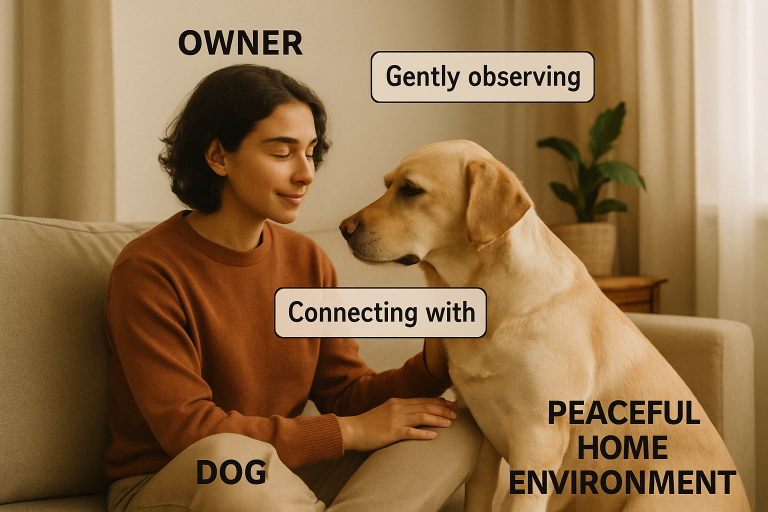
Animal readings draw from a combination of observation, intuition, and specialized training. Practitioners seek to interpret physical signals (such as posture, facial expressions, and vocalizations) along with energetic cues. This kind of communication becomes especially helpful when pets are unable to voice pain, fear, or confusion in typical ways. Recognizing subtle shifts in body language or emotional states can make a dramatic difference in how you care for your pet, creating an atmosphere of mutual respect and compassion.
Benefits of Animal Readings

  • Enhanced Communication: You gain the ability to better understand your pet’s feelings, enabling more sensitive, appropriate responses for their comfort.
  • Behavioral Insights: By understanding the root cause of puzzling behavior, you can apply solutions that are supportive rather than punitive, which often leads to a happier household.
  • Emotional Support: Tuning in to signs of anxiety, grief, or contentment helps you provide comfort and reassure your pet during times of need.
  • Deeper Bond: Recognizing your pet as a sentient, feeling being strengthens your relationship, leading to greater stability and joy in daily life.

Incorporating Animal Readings into Daily Life

Insights from animal readings can easily become part of your daily pet care routine. For example, if you discover your cat feels safest with routine and gentle handling, you can adjust your home environment or play routines to reduce stress. If a dog is happiest when exploring outdoors, you might prioritize regular visits to the park or hiking trips.

Tracking these changing moods and preferences is a proactive way to ensure your pet feels heard and respected. Over time, small adjustments, such as providing a cozy retreat during noisy parts of the day, can yield noticeable improvements in your pet’s behavior and overall happiness.

Complementary Practices to Strengthen Your Bond

While animal readings are valuable, pairing them with other mindful pet care practices offers even deeper rewards. Here are some proven ways to build trust, enrich communication, and nurture your unique relationship with your pet.

Consistent Training

Regular training sessions using positive reinforcement shape your pet’s behavior while strengthening your connection. Dogs and even some cats benefit from structured learning, which provides mental stimulation and reinforces healthy routines. Training is not just about teaching commands but also about building a language of trust and signals between you and your companion. According to the American Kennel Club, training sessions build a foundation of trust that can help you understand how your pet learns and responds to the world.

Quality Time Together

Spending meaningful time with your pet each day is essential for strengthening your bond. Play sessions, walks, and quiet moments of affection all signal safety and belonging. Exploring new environments or trying new activities keeps your pet mentally alert and emotionally fulfilled. The rewards are mutual: pets feel secure and valued, while owners enjoy a deeper level of companionship and trust.

Understanding Body Language

Tuning into your pet’s body language is a critical aspect of communication. From tail wags to ear positions or subtle shifts in posture, these clues provide vital insight into how your animal is feeling in the moment. Learning to interpret these signs not only enhances empathy but also helps prevent misunderstandings and accidental stress. Resources like the Humane Society offer helpful guides to interpreting and responding to your pet’s needs.

Final Thoughts

Animal readings offer a unique way to connect with your pet, opening the door to greater understanding, patience, and joy. When combined with consistent training, dedicated quality time, and an attentive reading of body language, these practices promote deep trust and communication. Such a holistic approach not only strengthens your bond with your beloved companion but also enriches both of your lives with shared happiness.


Continue Reading
Click to comment

Leave a Reply

Your email address will not be published. Required fields are marked *

Lifestyle

LearnToFlip: A Complete Guide to Online Reselling, Profit Flipping, and Smart Income Strategies

Published

on

By

LearnToFlip: A Complete Guide to Online Reselling, Profit Flipping, and Smart Income Strategies

Introduction

In today’s digital economy, learning how to create income streams online has become easier than ever. One growing platform that helps beginners and aspiring entrepreneurs is LearnToFlip. Designed to teach people how to “flip” products for profit, LearnToFlip focuses on practical reselling strategies, market research, pricing techniques, and step-by-step guidance for building a sustainable side hustle or full-time business.

Whether you’re a student, freelancer, or someone looking to earn extra income, LearnToFlip provides structured learning to help you understand buying low and selling high — the foundation of flipping.

What Is LearnToFlip?

LearnToFlip is an educational platform centered on product flipping and online reselling. Flipping simply means purchasing items at a lower price and reselling them at a higher value through marketplaces like eBay, Facebook Marketplace, Amazon, or local platforms.

The platform typically offers:

  • Beginner-friendly tutorials
  • Product sourcing guides
  • Pricing strategies
  • Market demand analysis
  • Profit calculation methods
  • Branding and listing tips
  • Risk management lessons

LearnToFlip aims to simplify entrepreneurship by teaching skills that don’t require large startup capital.

How LearnToFlip Works

LearnToFlip follows a structured approach:

1. Product Research

Users learn how to find profitable products by:

  • Checking trending items
  • Analyzing marketplace demand
  • Comparing competitor prices
  • Evaluating resale potential

This step helps avoid wasting money on products that don’t sell.

2. Sourcing Inventory

LearnToFlip teaches multiple sourcing methods:

  • Local thrift stores
  • Clearance sales
  • Online wholesale platforms
  • Garage sales
  • Supplier directories

The goal is to acquire inventory at the lowest possible cost.

3. Listing and Marketing

Once products are sourced, learners are guided on:

  • Writing optimized product titles
  • Creating appealing descriptions
  • Using quality photos
  • Choosing the right selling platform

These steps help increase visibility and sales.


4. Selling and Scaling

After making initial profits, LearnToFlip introduces scaling techniques such as:

  • Reinvesting earnings
  • Automating listings
  • Building supplier relationships
  • Expanding into higher-value products

This turns flipping from a hobby into a business.

Benefits of LearnToFlip

✔ Low Startup Cost

You can begin with minimal investment.

✔ Beginner Friendly

Lessons are simplified for people with no business background.

✔ Practical Skills

Users learn real-world reselling methods.

✔ Flexible Income

Work from home or anywhere with internet access.

✔ Scalable Model

Start small and grow steadily.

Who Should Use LearnToFlip?

LearnToFlip is ideal for:

  • Students looking for side income
  • Stay-at-home individuals
  • Freelancers
  • Beginners in eCommerce
  • Anyone interested in online business

No advanced technical skills are required.

Profit Calculation Example

Understanding profit is essential in flipping. Here’s a simple calculation:

Example:

  • Purchase price: $20
  • Shipping cost: $5
  • Platform fees: $3
  • Total cost: $28

You sell the item for $45

Profit Formula:

Profit = Selling Price – Total Cost

Profit = $45 – $28 = $17

Profit Margin:

Profit Margin = (Profit ÷ Selling Price) × 100

= (17 ÷ 45) × 100 = 37.7%

This means you earned $17 profit with a 37.7% margin on one item.

LearnToFlip teaches these calculations so users can quickly decide whether a product is worth flipping.

Key Skills You Learn from LearnToFlip

  • Market analysis
  • Pricing strategy
  • Negotiation
  • Customer service
  • Inventory management
  • Basic accounting
  • Branding fundamentals

These skills are transferable to many online businesses.

Common Mistakes LearnToFlip Helps You Avoid

  • Buying products without research
  • Overpricing items
  • Ignoring platform fees
  • Poor product photos
  • Weak descriptions
  • Not tracking expenses

Avoiding these mistakes saves both time and money.

FAQs

1. Is LearnToFlip legit?

LearnToFlip focuses on teaching reselling principles. Success depends on effort, consistency, and market conditions.

2. How much money do I need to start?

Many people begin with as little as $50–$100 by sourcing low-cost items.

3. Do I need experience?

No. LearnToFlip is designed for beginners.

4. How long before I make profits?

Some users see results within weeks, while others take longer depending on learning speed and dedication.

5. Can I do this part-time?

Yes. Flipping is flexible and can be done alongside studies or a job.

6. What platforms can I sell on?

Popular platforms include eBay, Facebook Marketplace, Amazon, Etsy, and local selling apps.

7. Is flipping risky?

Like any business, there is risk. LearnToFlip teaches research and budgeting to minimize losses.

Final Thoughts

LearnToFlip provides a practical pathway into online reselling and product flipping. By teaching sourcing methods, pricing strategies, and profit calculations, it helps beginners understand how to turn everyday items into income opportunities.

While results vary, LearnToFlip emphasizes smart decision-making, consistent learning, and reinvesting profits — key ingredients for long-term success. If you’re searching for a low-barrier way to explore entrepreneurship, LearnToFlip offers a structured starting point.

Continue Reading

Lifestyle

Creative Grounding Techniques for Everyday Stress Relief

Published

on

Grounding Techniques

Key Takeaways

  • Grounding techniques redirect your focus from stressors to the present moment, improving emotional regulation.
  • Utilizing your senses and creativity can make grounding more effective and enjoyable.
  • Consistent practice nurtures emotional resilience and overall well-being.

In a world that thrives on speed and constant demands, it’s all too easy for stress to become a routine part of daily life. Managing stress effectively isn’t just about reacting to difficulties; it’s about incorporating proactive strategies into your daily habits. Grounding techniques are powerful tools that redirect your attention from overwhelming thoughts and anchor you in the present. If you’re seeking ways to enhance your mental well-being, practicing grounding can be a transformative step. If you’re searching for personalized strategies guided by experts, local licensed therapists Pittsburgh PA, can offer professional support and further guidance on grounding approaches.

Grounding often blends physical, sensory, and creative methods—making them accessible even during your busiest days. By turning toward sensations, movement, or focused breathing, you create a pause that calms your mind and helps you regain perspective. Regularly using these creative anchoring exercises may help you cope more effectively with stress, build resilience, and foster a healthier mental state over time.

1. Engage in Progressive Muscle Relaxation

Progressive Muscle Relaxation (PMR) is a method that teaches you to become attuned to bodily sensations by systematically tensing and relaxing muscle groups. This practice not only relieves physical stress but also sharpens your ability to detect and respond to tension before it escalates. To try PMR, begin at your toes. Tighten a muscle group as you inhale, hold for a few seconds, and then release as you exhale, moving upward through the body. Studies show that PMR can reduce symptoms of anxiety and promote better sleep, making it an excellent foundation for self-care routines.

2. Practice the 5-4-3-2-1 Technique

This classic grounding practice quickly engages your five senses to draw your mind away from anxious loops and into the environment around you. The structure is simple: notice five things you can see, four you can touch, three you can hear, two you can smell, and one you can taste. By systematically working through each sense, stress loses its edge as your mind shifts into a state of presence. The simplicity and portability of this technique make it ideal for stressful workplaces, public transportation, or anxious moments at home. For more detailed instructions, refer to this Healthline guide on grounding exercises.

3. Utilize Aromatherapy

Essential oils and calming scents can offer instant stress relief by activating your brain’s emotional centers. Aromatherapy can be as simple as placing a drop of lavender or peppermint oil on your wrist, or using a diffuser nearby when you notice anxiety increasing. Even the ritual of inhaling a peaceful scent can signal to your body that it’s time to relax. This method is a favorite among individuals who enjoy sensory rituals and seek to add a creative touch to their self-care routine. Clinical trials suggest that certain scents may have a measurable impact on anxiety and mood, making this a valuable addition to your toolkit.

4. Create Art or Engage in Crafting

Creative outlets, such as drawing, painting, or simple crafting, can serve as powerful grounding practices. Working with your hands engages both your sense of touch and sight, leading to an absorbing experience that disrupts negative thought cycles. Art isn’t about the end result—it’s about the process of creation, which can foster self-expression and mindfulness. Even coloring in a notebook or molding a piece of clay can invite calm and clarity when worry becomes overwhelming.

5. Practice Mindful Stretching or Yoga

Intentional physical movement, such as gentle stretches or yoga, allows you to release built-up tension while tuning into your body’s needs. Regular stretching, even for just five minutes daily, loosens muscles and unblocks physical and emotional stiffness caused by chronic stress. The flowing movement of yoga, combined with controlled breathing, provides a holistic approach to grounding. For a more in-depth introduction suitable for all skill levels, Harvard Health Publishing offers a detailed overview of yoga’s health benefits.

6. Engage in Body Scan Meditation

The body scan is a meditative technique that enhances awareness of your body’s sensations one area at a time. You begin at your scalp or feet and travel slowly in your mind, observing tightness, warmth, or even numbness without judgment or attempts to change them. This simple yet effective meditation grounds restless minds and gently brings you back into the present moment. Try incorporating short body scans into your nightly wind-down routine to enhance mindfulness and promote restful sleep.

7. Use Sensory Objects

Fidget tools, plush fabrics, smooth stones, or favorite tactile items can be integral to everyday grounding, especially when stress hits unexpectedly. Having a sensory object you can touch, squeeze, or trace with your fingers helps shift your mind from internal worries to external sensations. This can be especially helpful in work and classroom settings where other grounding methods may not be practical.

8. Practice Conscious Breathing

Deep, slow breaths are a natural counter to the body’s stress response. By focusing on the in and out of your breath, tension lessens and clarity returns. Start by noticing your breath’s rhythm and then try to make your inhales and exhales equal in duration. With practice, this technique can lower your heart rate, decrease feelings of panic, and serve as a quick on-the-go reset. Incorporating deliberate breathing routines is a small yet transformational act for managing daily stress.

Experiment with these grounding techniques to determine which works best for your lifestyle and unique stress triggers. The consistency of practice is key: over time, grounding becomes an intrinsic support for both mind and body, keeping you steady regardless of what each day brings.

Continue Reading

Lifestyle

Bryna Lublin: The Fearless Voice Bridging Faith, Femininity, and Modernity

Published

on

Bryna Lublin: The Fearless Voice Bridging Faith, Femininity, and Modernity

In the intricate tapestry of contemporary Jewish thought and feminist discourse, few voices resonate with the unique blend of authenticity, scholarship, and raw courage as that of Bryna Lublin. An educator, writer, and spiritual guide, Lublin has carved out a distinctive space where unwavering Orthodox faith meets an unflinching examination of women’s experiences, trauma, and the quest for personal wholeness. Her work is not a critique from the outside but a transformative journey from within, making her one of the most compelling and necessary figures in modern religious dialogue.

From Educator to Empowered Voice

Bryna Lublin’s foundation was built in the world of Jewish education. For years, she served as a teacher and principal within Orthodox institutions, deeply immersed in transmitting tradition. However, her path took a profound turn as she began to publicly grapple with the complexities of her own life experiences within that same tradition. Lublin embarked on a brave process of integrating the full spectrum of her identity—a devout Jewish woman, a trauma survivor, and a seeker of emotional and spiritual truth.

This evolution led her beyond the classroom to become a certified trauma professional and relationship coach. Her practice, “At the Well,” is aptly named, evoking a place of gathering, life-giving sustenance, and deep encounter—much like the biblical wells where pivotal meetings occurred. Here, she guides individuals and couples, particularly women, through the challenges of relationships, intimacy, and healing, using a framework that is deeply rooted in Torah wisdom yet informed by modern psychology.

Writing as Revelation and Revolution

Lublin’s impact exploded into wider consciousness with her groundbreaking writing. Her articles, published in platforms like Hevria, The Forward, and Mishpacha Magazine, are seismic. They tackle subjects often shrouded in silence within parts of the Orthodox community: sexual abuse, marital strife, female desire, and the emotional toll of rigid religious structures.

What sets her work apart is its tone. It is neither accusatory nor apologetic. It is devastatingly honest, lyrical, and anchored in a deep love for Jewish life. In her widely-read pieces, she dissects the pain of the taharas mishpacha (family purity) rituals when approached without empathy, the loneliness of unmet emotional needs in religious marriages, and the silent suffering caused by institutional neglect. She writes not to destroy faith, but to redeem it from pain—to argue that true holiness cannot be built on unaddressed trauma or the suppression of the human spirit.

Her voice is a clarion call for a more compassionate, nuanced, and woman-integrated Orthodox practice. She challenges rabbis, educators, and community leaders to look beyond the legal minutiae and see the human beings—especially the women—living those laws.

“The Well-Worn Ladder”: A Memoir of Ascent

This journey culminated in her powerful memoir, The Well-Worn Ladder. The title itself is a potent metaphor: the ladder of religious observance, worn smooth by generations of use, which can feel both like a path to ascent and a structure of confinement. In the book, Lublin traces her life from a childhood marked by trauma and a crisis of faith to her rebirth as a healer and empowered woman of faith.

The memoir is more than a personal story; it is a theological and social document. It provides a blueprint for how one can hold profound conflict—love for God and fury at His perceived absence, commitment to Halakha (Jewish law) and anguish at its sometimes inhuman application—and not break. Instead, she models how to hold that tension until it forges a stronger, more authentic, and more compassionate faith.

The Core of Her Philosophy: Integration

At the heart of Bryna Lublin’s mission is the concept of integration. She argues that the split between the spiritual and the emotional, the ritual and the psychological, is a dangerous falsehood.

  • Integrating Trauma and Faith: She insists that spiritual growth is impossible without addressing psychological wounds. “You can’t daven (pray) well if you’re dissociated,” she has essentially argued, bringing the language of therapy into the beit midrash (study hall).
  • Integrating Femininity and Torah: She advocates for a religious life where women’s voices, experiences, and bodies are not seen as obstacles to holiness but as central to its expression. She seeks a Judaism where the feminine is not managed, but revered.
  • Integrating Law and Love: Her work continually presses the question: How can we observe the commandments in a way that truly leads to love—of God, of spouse, of self, and of community?

A Contested and Crucial Figure

Unsurprisingly, Lublin’s outspokenness has made her a controversial figure in some circles. Some traditionalists view her work as threatening, airing private community matters in public. Yet, for thousands of readers—women and men across the Orthodox spectrum and beyond—she is a lifeline. Her words have given voice to unspoken pain, validated hidden struggles, and offered a vision of a faith that can hold people in their complexity.

Bryna Lublin represents a new wave of Orthodox leadership: one that emerges from the grassroots of human experience, armed with psychological insight and literary talent. She is not a rabbi, but a rabbi of the heart. She is mapping the uncharted interior landscape of the religious soul in the 21st century, proving that the most fearless act of faith may be to finally speak your truth—and in doing so, help heal a community. Her well of wisdom, drawn from depths of pain and perseverance, offers waters of healing for a generation navigating the intersection of ancient tradition and modern selfhood.

Continue Reading

Trending

Copyright © 2017 Zox News Theme. Theme by MVP Themes, powered by WordPress.