
Key Takeaways
- Proper AC sizing is foundational for comfort and efficiency.
- Indoor and outdoor unit placement affects performance and system life.
- Hiring professionals ensures safe, code-compliant installation.
- Ongoing maintenance is vital to prolong your AC’s lifespan.
Installing a new air conditioning system is an important decision that can greatly improve your home’s climate control and energy efficiency. Paying attention to recommended installation methods and details is essential for a comfortable, cost-effective, and reliable cooling experience. For homeowners looking for AC installation and service in Colorado Springs, selecting the right contractor and understanding the process can transform how your space feels year-round.
Whether you are replacing an old unit or adding AC to a new home, following best practices ensures your investment pays off. Everything from the size of your system to its installation and maintenance can affect comfort and long-term operating costs.
Underscoring the value of precision and expertise, the Environmental Protection Agency (EPA) notes that improper installation is a leading cause of inefficient systems and higher utility bills. You will want to ensure your new AC is the right fit for your home’s unique characteristics.
After installation, routine maintenance and ongoing inspections can prevent small issues from turning into expensive repairs. Taking these extra steps can save money and keep your home consistently comfortable during the hottest months.
Accurate Sizing and Load Calculation
Choosing the correct AC size is not just about square footage but a careful analysis of your home’s insulation, ceiling heights, window exposures, and local weather. A unit that is too small will be overworked, struggling to reach the desired temperature during peak heat. Conversely, an oversized unit will cycle on and off too quickly, reducing its efficiency and potentially leaving humidity issues unresolved.
To avoid these problems, HVAC professionals use detailed load calculations, such as the Manual J protocol established by the Air Conditioning Contractors of America. This takes all relevant factors into account for tailored recommendations. Many reputable sources, including Energy.gov, emphasize the importance of careful unit selection to prevent future discomfort and waste.
Optimal Placement of Indoor and Outdoor Units
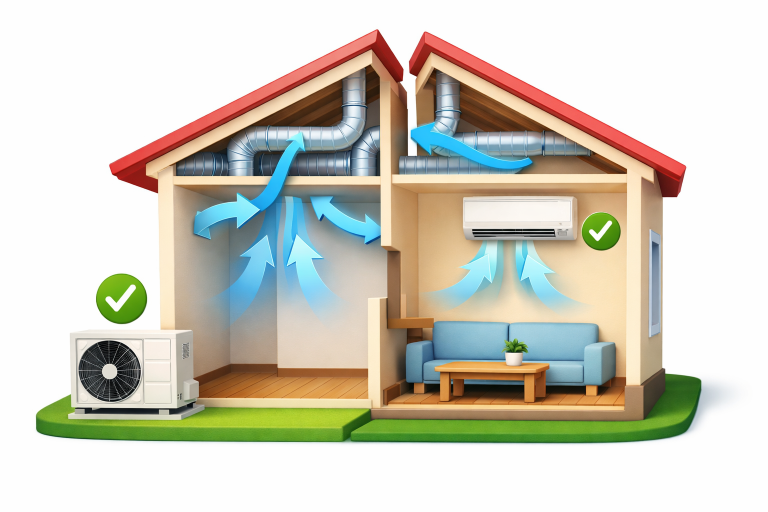
Where you locate your AC components has a measurable impact on efficiency and longevity. The indoor unit should be positioned away from direct sunlight and other sources of heat, ensuring that the temperature sensors provide accurate readings and that the system doesn’t overwork itself. Ensure vents are unblocked and air can circulate freely throughout your home.
Outdoor units require ample clearance on all sides and should not be installed in enclosed or shaded spaces where airflow may be restricted. Placing the unit on a sturdy, level base prevents vibration and excessive noise that can occur when it is unstable.
Professional Installation and Code Compliance
While some household projects lend themselves to the DIY approach, air conditioning installation is not one of them. The process includes handling refrigerants and performing electrical connections, both of which carry significant safety risks when done improperly. In addition, any installation must meet local building codes and adhere to the manufacturer’s guidelines to maintain warranty protections.
Licensed HVAC professionals are equipped to navigate these requirements, verify proper airflow through the system, and ensure everything is running as efficiently as possible. Moreover, certified contractors are up to date with evolving regulations and the latest installation best practices, helping you avoid common pitfalls and safety hazards.
Ensuring Proper Airflow and Ductwork
Efficient airflow is at the core of every well-functioning air conditioning system. Ductwork must be sized correctly, well-sealed, and properly insulated to maximize system output and minimize energy loss. Leaky or blocked ducts can decrease efficiency by as much as 30 percent, resulting in uneven cooling and higher operating expenses.
Scheduling duct inspections and regular maintenance, such as cleaning or sealing, helps avoid breakdowns and supports effective airflow throughout your home. This attention to detail can dramatically impact energy consumption during high-use months.
Energy Efficiency Considerations
Modern air conditioners come with energy-efficiency ratings that help homeowners balance cost and performance. The Seasonal Energy Efficiency Ratio (SEER) is the standard metric for comparing systems, with higher numbers indicating greater efficiency. Consider features such as smart thermostats or inverter-driven compressors, which can deliver more precise temperature control and reduce energy waste when paired with the right AC unit.
Regular Maintenance and Upkeep
Scheduling regular tune-ups is the easiest way to make sure your AC continues to deliver reliable comfort. Maintenance tasks include changing air filters, checking refrigerant levels, and examining belts, condensate lines, and electrical connections for wear or fatigue. These measures not only extend the life of your system but also keep it operating at peak efficiency, reducing monthly utility costs and minimizing the risk of unexpected breakdowns.
Conclusion
Taking a methodical approach to modern air conditioning installation yields years of sustained comfort and energy savings. Prioritizing correct AC sizing, careful placement, professional installation, and diligent maintenance helps maximize your system’s life and value. By following these best practices, you can enjoy efficient cooling and peace of mind throughout Colorado’s summers and beyond.