
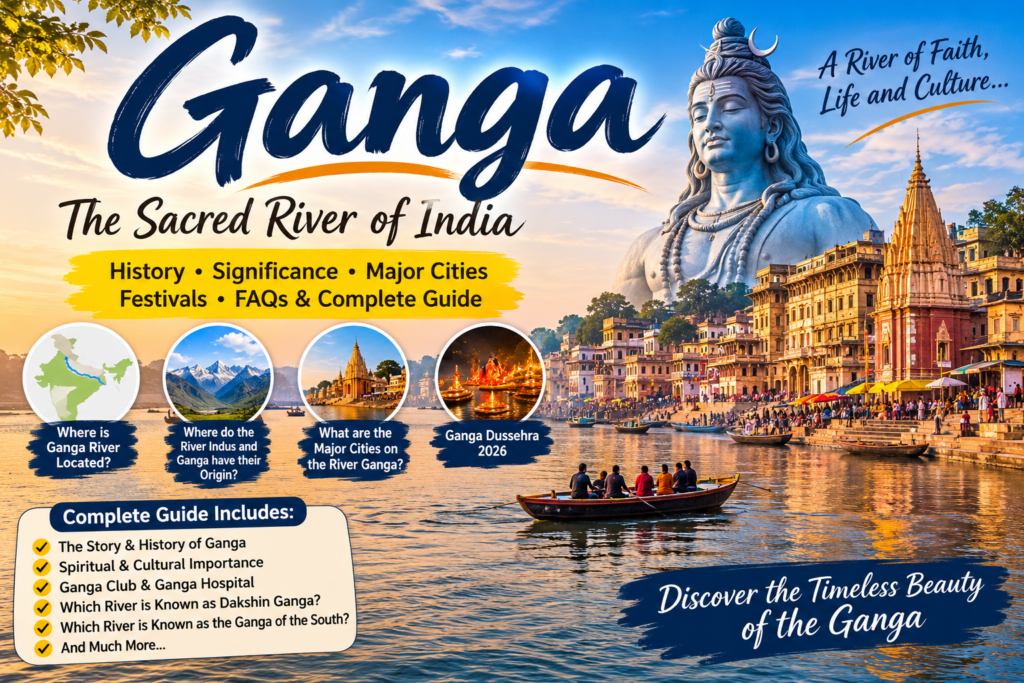
The Ganga is one of the most famous and historically important rivers in the world. Known for its religious, cultural, geographical and environmental importance, this magnificent river has supported millions of people for thousands of years. It flows through northern India before continuing into Bangladesh, where its waters eventually reach the Bay of Bengal.
For many people, the Ganga is much more than a river. It represents faith, tradition, history and life. Its water supports agriculture, provides drinking water to communities, helps maintain natural ecosystems and connects several important cities.
The river is also known by different names, including the Ganges in English and Ganga in Hindi and several other Indian languages. From the Himalayan mountains to the fertile plains, its journey is closely connected with the development of communities and civilizations.
But how much do you actually know about Ganga? Where does it originate? Which cities are located along its banks? Why is it considered sacred? And which river is known as the Dakshin Ganga?
This complete guide answers these questions while exploring the history, geography, importance, festivals, environmental challenges and interesting facts associated with the Ganga.
What Is Ganga?
Ganga is a major transboundary river system in South Asia. It is one of the most important rivers of India and has a significant geographical and cultural connection with Bangladesh.
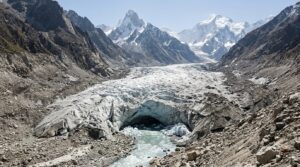
The river begins in the Himalayan region of Uttarakhand. Its source stream is called the Bhagirathi, which originates from the Gangotri Glacier at Gaumukh. When the Bhagirathi meets the Alaknanda River at Devprayag, the combined river receives the name Ganga.
The Ganga travels approximately 2,525 kilometres before reaching the Bay of Bengal through its distributaries and the wider delta system. Its basin supports a large population and contains agricultural land, forests, wetlands, towns and major cities.
The river is especially important because it provides water for irrigation, domestic use, transportation in some stretches, fisheries and other economic activities.
According to India’s National Mission for Clean Ganga, the river has numerous tributaries and plays an essential role in the country’s natural and cultural heritage.
NMCG+1
Where Is Ganga River Located?
The Ganga River is located in South Asia. Its main course flows through northern and eastern India before entering Bangladesh through the connected river system.
In India, the river passes through or along several states, including:
-
Uttarakhand
-
Uttar Pradesh
-
Bihar
-
Jharkhand
-
West Bengal
After reaching the eastern part of India, the river system divides into different channels. The Padma carries Ganga’s waters into Bangladesh, where it joins other major rivers before reaching the Bay of Bengal.
The Ganga basin extends across a much larger geographical area than the main river channel. It includes tributaries, agricultural plains, mountain areas and numerous settlements.
Its location makes it particularly important for northern India’s agriculture, economy and population.
Where Does the Ganga River Originate?
The Ganga River originates in the Himalayan region of Uttarakhand, India.
Its source stream, Bhagirathi, emerges from the Gangotri Glacier at Gaumukh. This location is situated at an elevation of approximately 3,892 metres above sea level.
The river’s formation involves an important geographical process:
-
The Bhagirathi begins near Gaumukh.
-
The Alaknanda flows through the Himalayan region.
-
Both rivers meet at Devprayag.
-
After this meeting, the combined river is known as the Ganga.
Several other rivers and streams contribute to the Ganga system, including the Mandakini, Pindar, Dhauliganga and Bhilangana.

NMCG
A Complete Guide to the Ganga River
History and Mythological Importance of Ganga
The history of the Ganga is closely connected with ancient Indian civilization. Settlements developed along its banks because the river provided water, fertile soil and opportunities for farming and trade.
In Hindu tradition, the Ganga is also worshipped as a sacred river and is often referred to as Maa Ganga. Ancient religious texts and traditional stories describe its descent from heaven to Earth.
One of the best-known stories involves King Bhagiratha. According to Hindu mythology, he performed intense penance to bring the heavenly river down to Earth to help liberate the souls of his ancestors.
However, the force of the descending river was believed to be too powerful for Earth. Lord Shiva received the river in his matted hair and allowed the water to flow gently through his locks.
This story is an important part of the religious identity of the Ganga. It is also the reason why the term Bhagirathi is associated with the river’s upper course.
Beyond mythology, the Ganga has played a major role in the development of ancient settlements, kingdoms, trade routes and agricultural communities.
Why Is the Ganga River Considered Sacred?
The Ganga holds a special place in Hindu religious traditions. Millions of devotees visit its banks throughout the year to participate in prayers, ceremonies and festivals.
Several locations along the river are considered important pilgrimage destinations.
Some of the main reasons behind its religious importance include:
-
Religious purification: Many Hindus believe that bathing in the Ganga has spiritual significance and helps purify the soul.
-
Funeral ceremonies: The river is connected with traditional funeral and remembrance rituals.
-
Religious festivals: Events such as Ganga Dussehra and Kumbh Mela attract large numbers of visitors.
-
Daily worship: Devotees offer prayers, flowers and lamps at different ghats.
-
Cultural heritage: The river is deeply connected with Indian literature, traditions, music and religious history.
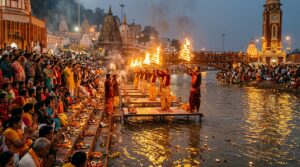
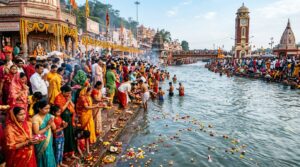
One of the most famous rituals is Ganga Aarti, which takes place at several riverfront locations. During the ceremony, priests offer prayers using lamps, bells and traditional devotional music.
What Are the Major Cities Located on the River Ganga?
The Ganga passes through several important cities that depend on the river for water, agriculture, tourism and cultural activities.
Some cities are internationally famous because of their religious and historical importance, while others are major commercial and industrial centres.
Here are some of the important cities associated with the river:
1. Rishikesh
Rishikesh is located in Uttarakhand and is famous for yoga, meditation, temples and adventure tourism. The city attracts visitors from different countries who come to experience its spiritual atmosphere.
2. Haridwar
Haridwar is one of India’s major religious destinations. It is particularly famous for Har Ki Pauri, where devotees gather for prayers and Ganga Aarti.
3. Kanpur
Kanpur is an important industrial city in Uttar Pradesh. The Ganga has historically supported the city’s water requirements and economic activities.
4. Prayagraj
Prayagraj is famous for the Triveni Sangam, traditionally associated with the meeting of the Ganga, Yamuna and the mythical Saraswati. The city is also an important location for Kumbh Mela.
5. Varanasi
Varanasi is one of the oldest continuously inhabited cities in the world. It is particularly famous for its ghats, temples, traditional ceremonies and religious heritage.
6. Patna
Patna is the capital of Bihar and is situated along the southern bank of the Ganga. The river has historically supported agriculture, transportation and trade in the surrounding region.
7. Bhagalpur
Bhagalpur is another important city in Bihar. It is known for its historical association with the Ganga and its silk industry.
8. Kolkata and Howrah
The Ganga river system reaches West Bengal through different channels, including the Bhagirathi-Hooghly system. Kolkata and Howrah are important urban centres associated with this river network.
Major Facts About the Ganga River
The Ganga is an important geographical feature, and understanding its basic details makes it easier to learn about its size, source and tributaries.
The following table provides a quick reference guide.
| Feature | Details |
|---|---|
| River name | Ganga |
| English name | Ganges |
| Country of origin | India |
| Source stream | Bhagirathi |
| Glacier of origin | Gangotri Glacier |
| Source location | Gaumukh, Uttarakhand |
| Elevation at source | Approximately 3,892 metres |
| Formation of main river | Devprayag |
| Approximate length | 2,525 km |
| Major destination | Bay of Bengal |
| Important Indian states | Uttarakhand, Uttar Pradesh, Bihar, Jharkhand and West Bengal |
| Important tributaries | Yamuna, Ghaghara, Gandak, Kosi, Sone and Ramganga |
| Major religious cities | Haridwar, Prayagraj and Varanasi |
| Important festival | Ganga Dussehra |
| River delta | Ganga-Brahmaputra-Meghna delta |
Note: Length figures and geographical measurements can vary between references depending on how the river system and its channels are measured.
Major Tributaries of the Ganga
A river’s tributaries are smaller rivers or streams that flow into a larger river. The Ganga receives water from numerous tributaries throughout its journey.
These tributaries are important because they increase the river’s water supply and support the wider basin.
Some of the major tributaries include:
-
Yamuna: One of the most important tributaries of the Ganga. It meets the Ganga at Prayagraj.
-
Ghaghara: A major Himalayan river that contributes a substantial amount of water.
-
Gandak: Flows from the Himalayan region and joins the Ganga in Bihar.
-
Kosi: Known for its large sediment load and history of changing river courses.
-
Ramganga: Joins the Ganga in Uttar Pradesh.
-
Sone: A major tributary that joins the Ganga from the south.
-
Gomti: An important river flowing through Uttar Pradesh.
-
Damodar: Associated with the wider Ganga river system in eastern India.
These rivers contribute to the geographical and ecological importance of the Ganga basin.
NMCG+1
The Difference Between the Indus River and the Ganga River
Many students search for the question: Where do the river Indus and Ganga have their origin?
Both rivers are associated with the Himalayan and Tibetan high-mountain region, but their sources and directions are different.
The Indus River originates in the Tibetan Plateau near Lake Manasarovar, in the vicinity of the Kailash mountain region. It flows northwest and then travels south through Pakistan before reaching the Arabian Sea.
The Ganga begins as the Bhagirathi near Gaumukh in Uttarakhand. It flows through northern India and eventually reaches the Bay of Bengal through the delta system.
The following comparison makes their differences easier to understand:
| Feature | Indus River | Ganga River |
|---|---|---|
| Origin | Tibetan Plateau near Lake Manasarovar | Gangotri Glacier, Gaumukh |
| Source region | Tibet | Uttarakhand, India |
| Main direction | Northwest, then south | Mainly eastward |
| Countries | China, India and Pakistan | India and Bangladesh |
| Final destination | Arabian Sea | Bay of Bengal |
| Important role | Major water source for Pakistan | Major water source for northern India and Bangladesh |
This is an important geography question because both rivers have played major roles in the history, agriculture and development of South Asia.
cawater-info.net+1
Which River Is Known as Dakshin Ganga?
The Godavari River is known as Dakshin Ganga or the Ganga of the South.
The word Dakshin means south, so the name refers to the Godavari’s importance in southern India.
The Godavari originates near Trimbakeshwar in the Nashik district of Maharashtra. It flows eastward through several Indian states before reaching the Bay of Bengal.
It is one of India’s longest rivers and an important source of water for agriculture, communities and ecosystems.
The river passes through or serves areas in Maharashtra, Telangana, Chhattisgarh, Madhya Pradesh, Andhra Pradesh, Odisha and Karnataka.
Its major tributaries include the Pranhita, Indravati, Sabari, Purna and Manjira.
The Godavari is sometimes called the Ganga of the South because of its geographical scale, cultural significance and importance to the region.
Economic Importance of the Ganga
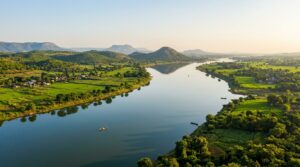
The Ganga is important not only because of its religious and historical value but also because it supports economic activities across a large region.
Millions of people depend directly or indirectly on the river.
Agriculture
The Ganga basin contains fertile alluvial soil, which is suitable for growing different crops. Farmers use river water and connected irrigation systems to support agriculture.
Rice, wheat, sugarcane, pulses and other crops are cultivated in different parts of the basin.
Drinking Water
The river and its associated water systems are important sources of water for towns, cities and rural communities.
Water treatment facilities are necessary to make river water suitable for human consumption.
Fishing and Livelihoods
Fishing supports many communities living along the river. The Ganga system also provides habitats for several freshwater fish species.
Tourism
Religious destinations such as Haridwar, Rishikesh and Varanasi attract visitors throughout the year. Tourism creates employment opportunities for hotels, restaurants, transport operators, guides and local businesses.
Transportation and Trade
Different sections of the river system have historically supported transportation and commercial activities. River transport also remains an important part of regional infrastructure planning.
Wildlife and Biodiversity of the Ganga
The Ganga basin supports a wide variety of plants and animals.
Its freshwater ecosystems provide habitats for fish, turtles, crocodiles, otters and several species of birds.
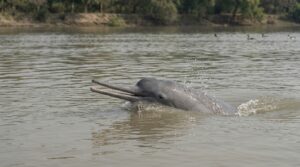
One of the most recognised animals associated with the river is the Gangetic river dolphin.
This freshwater dolphin is an important part of the Ganga ecosystem. It depends on suitable water conditions, food availability and a healthy river environment.
Other animals found in the wider river system include:
-
Gangetic river dolphin
-
Gharial
-
Smooth-coated otter
-
Freshwater turtles
-
Golden mahseer
-
Hilsa fish
-
Mugger crocodile
-
Different species of freshwater birds
The river ecosystem is also home to numerous aquatic plant species and microorganisms that contribute to its natural balance.
According to the Wildlife Institute of India, the Ganga basin supports a rich variety of aquatic wildlife, including threatened species that require conservation attention.
Pollution of the Ganga River: Major Challenges
Despite its importance, the Ganga faces several environmental challenges.
Increasing population, urban development, industrial activity and untreated wastewater have created pressure on the river ecosystem.
Some of the major challenges include:
1. Sewage and Wastewater
Large settlements generate significant amounts of wastewater. If this water is not properly treated, it can enter the river and affect water quality.
2. Industrial Pollution
Industrial waste can contain harmful substances that damage aquatic habitats and affect the river’s ecological balance.
3. Plastic and Solid Waste
Plastic bags, packaging materials and other discarded items can accumulate along riverbanks or float in the water.
4. Reduced Water Flow
Water extraction, dams and other infrastructure can affect natural river flow. Adequate environmental flow is important for maintaining aquatic habitats.
5. Loss of Biodiversity
Pollution, habitat changes and overexploitation of natural resources can threaten fish, dolphins and other aquatic species.
These issues require long-term planning, better wastewater management, public awareness and cooperation between local communities and government organisations.
What Is Being Done to Clean the Ganga?
Several conservation and restoration programmes have been introduced to improve the condition of the river.
One of the major initiatives is the Namami Gange Programme, launched in June 2014.
The programme focuses on reducing pollution and restoring the ecological condition of the Ganga.
Its major areas of work include:
-
Building and improving sewage treatment infrastructure.
-
Monitoring industrial wastewater.
-
Cleaning river surfaces and riverfront areas.
-
Protecting aquatic biodiversity.
-
Supporting afforestation.
-
Increasing public awareness.
-
Encouraging community participation.
The National Mission for Clean Ganga works on these activities through different projects and partnerships.
You can learn more about the programme through the official National Mission for Clean Ganga website.
Cleaning a river as large and important as the Ganga is a long-term responsibility. Government programmes, local organisations, businesses and individuals all have a role in protecting it.
Ganga Dussehra 2027: Date, Significance and Celebrations
- Date: Sunday, June 13, 2027
- Dashami Tithi Begins: June 13, 2027 at 02:43 AM IST
- Dashami Tithi Ends: June 14, 2027 at 02:11 AM IST
- Haridwar and Rishikesh (Uttarakhand)
- Varanasi, Prayagraj, Garhmukteshwar, and Mathura (Uttar Pradesh)
- Patna (Bihar) and parts of West Bengal
- Descent of the Ganga (Gangavataran): It marks the day Goddess Ganga descended from heaven (Swarga Loka) to Earth. [1]
- King Bhagiratha’s Legend: King Bhagiratha performed intense penance for years so that the sacred river could touch Earth and liberate the souls of his 60,000 ancestors.
- Lord Shiva’s Intervention: To break the immense force of the falling river, Lord Shiva caught Ganga in his matted hair (Jata) and released her gently onto the plains.
- Sin Cleansing: Taking a holy dip on this day is believed to wash away ten types of sins (three physical, four verbal, and three mental).
- Ganga Snan: Devotees wake up before sunrise to take a holy bath in the Ganges or local sacred rivers.
- Ganga Aarti: Grand evening aartis are held on riverbanks with flickering lamps (diyas), incense, and floral offerings.
- Deepa Dana: Floating lighted oil lamps (diyas) and flowers down the river.
- Charity and Donations: Giving away items in sets of ten (such as ten fruits, ten diyas, or grain/clothes) to the needy or Brahmins.
- Chanting and Meditation: Reciting mantras, meditating by the water, and abstaining from non-vegetarian food or intoxicants.
Why Is Ganga Dussehra Celebrated?
The festival is associated with the story of King Bhagiratha, whose devotion is believed to have brought the Ganga from heaven to Earth.
The word Dussehra is traditionally explained in this context through the idea of overcoming or removing ten kinds of sins.
People celebrate the occasion through different religious activities, including:
-
Taking a ritual bath in the Ganga.
-
Offering prayers to Maa Ganga.
-
Performing Ganga Aarti.
-
Donating food, clothes and other necessities.
-
Visiting religious places along the river.
-
Participating in community celebrations.
Haridwar, Varanasi and Prayagraj are among the important destinations associated with Ganga-related religious celebrations.
Important distinction: Ganga Dussehra is different from the October festival of Dussehra, also known as Vijayadashami. They are separate religious observances with different dates and significance.
Ganga Club: What Does This Keyword Mean?
Ganga Club is another search term that people may encounter when researching the keyword Ganga.
Unlike Ganga River, which has a clear geographical meaning, Ganga Club can refer to different organisations, communities, membership platforms or online services depending on the context.
For this reason, it is important to understand what a particular search result means before assuming that every website using the name Ganga Club is connected to the river.
When researching a Ganga Club website, users should check:
-
The organisation’s official name.
-
Its location and contact information.
-
Whether it is a registered organisation or an online community.
-
Its official website and social media accounts.
-
Whether it provides clear information about its activities.
The phrase Ganga Club is a separate search intent from geographical searches about the Ganga River. Readers looking for a particular club should use its full name or location to find the correct organisation.
Ganga Hospital: Understanding the Search Term
Ganga Hospital is another related keyword that may appear in search research.
The name can refer to healthcare facilities using the word Ganga in their official name. One well-known example is Ganga Hospital in Coimbatore, Tamil Nadu, which is associated with orthopaedics, trauma care and plastic surgery.
However, different healthcare facilities may use similar names.
People searching for Ganga Hospital should confirm the city, medical department, available services and official contact details before making an appointment.
This keyword is useful to mention in a broader article about Ganga because it demonstrates that the same search word can have different meanings.
Ganga Movie: Why Do People Search for It?
The keyword Ganga Movie can refer to films that use Ganga as their title or include the river in their storyline.
Indian cinema has used the Ganga as a setting and cultural symbol in different types of films. The river is often associated with family traditions, religious beliefs, historical stories and social themes.
However, Ganga Movie does not identify one particular film. Several movies have used Ganga or a similar title in different Indian languages.
If someone wants to find a particular movie, adding the release year, actor’s name or language can make the search more accurate.
For example:
-
Ganga Hindi movie
-
Ganga movie cast
-
Ganga movie release date
-
Ganga movie songs
-
Ganga movie trailer
These searches help distinguish entertainment-related results from information about the actual river.
25 Interesting Facts About Ganga
The Ganga has many geographical, historical and cultural features worth learning about. Here are 25 interesting facts:
-
Ganga is one of the most important rivers in South Asia.
-
Its English name is Ganges.
-
The river’s source stream is called Bhagirathi.
-
Bhagirathi originates near Gaumukh.
-
Gaumukh is associated with the Gangotri Glacier.
-
The Ganga name begins at Devprayag.
-
The river is approximately 2,525 kilometres long.
-
The Ganga eventually reaches the Bay of Bengal.
-
The river flows through several Indian states.
-
Its river system extends into Bangladesh.
-
Yamuna is one of its major tributaries.
-
The Yamuna and Ganga meet at Prayagraj.
-
Varanasi is one of the most famous cities on its banks.
-
Haridwar is an important religious destination.
-
Patna is an important city located along the Ganga.
-
The Ganga basin supports agriculture across a large region.
-
The river has many tributaries.
-
The Gangetic river dolphin lives in its freshwater ecosystem.
-
Ganga Aarti is performed at several riverfront locations.
-
Ganga Dussehra celebrates the traditional descent of the river.
-
Kumbh Mela is associated with important Ganga pilgrimage locations.
-
The river supports a wide variety of freshwater wildlife.
-
Pollution is a major environmental challenge.
-
Namami Gange is a major river conservation programme.
-
The Ganga is deeply connected with India’s cultural and historical identity.
How Can We Protect the Ganga River?
Protecting the Ganga requires action from everyone who depends on its water and surrounding environment.
Although large conservation projects are important, everyday actions can also make a difference.
Here are some practical ways to help protect the river:
-
Never throw plastic bags or bottles into the river.
-
Avoid disposing of household waste near riverbanks.
-
Support proper sewage treatment.
-
Reduce the use of single-use plastic.
-
Participate in local river-cleaning activities.
-
Avoid dumping chemicals into drains and waterways.
-
Help spread awareness about freshwater conservation.
-
Respect wildlife and natural habitats.
-
Support responsible tourism near riverfront areas.
River conservation is not just about keeping the water visually clean. It also means protecting aquatic animals, maintaining natural water flow and preserving the surrounding environment.
The future of the Ganga depends on how responsibly its resources are managed.
Read also: 9.7.4 Leash: Complete Guide and Meaning
Frequently Asked Questions About Ganga
1. Where is Ganga River located?
The Ganga River is located in South Asia. Its main course flows through Uttarakhand, Uttar Pradesh, Bihar, Jharkhand and West Bengal in India before its waters continue into Bangladesh.
2. Where does the Ganga River originate?
The Ganga originates as the Bhagirathi stream near Gaumukh in the Gangotri Glacier region of Uttarakhand, India. It receives the name Ganga at Devprayag, where the Bhagirathi and Alaknanda meet.
3. What is the total length of the Ganga River?
The Ganga is approximately 2,525 kilometres long, although measurements can vary depending on the source and river-channel definition.
4. Which river is known as Dakshin Ganga?
The Godavari River is known as Dakshin Ganga or the Ganga of the South because of its importance to southern India.
5. Which river is known as the Ganga of the South?
The Godavari is commonly called the Ganga of the South. It originates near Trimbakeshwar in Maharashtra and flows into the Bay of Bengal.
6. Where do the river Indus and Ganga have their origin?
The Indus originates in the Tibetan Plateau near Lake Manasarovar, while the Ganga begins as the Bhagirathi near Gaumukh in Uttarakhand.
7. What are the major cities located on the river Ganga?
Some important cities located along the Ganga or its connected river channels include Rishikesh, Haridwar, Kanpur, Prayagraj, Varanasi, Patna, Bhagalpur, Howrah and Kolkata.
8. Why is the Ganga considered sacred?
The Ganga is considered sacred in Hindu traditions because of its religious stories, cultural heritage and association with spiritual purification. Millions of devotees visit its banks for prayers and ceremonies.
9. What is Ganga Dussehra 2026?
Ganga Dussehra 2026 was observed on 24 June 2026, Wednesday. The festival celebrates the traditional descent of the Ganga from heaven to Earth.
10. What is the main tributary of the Ganga?
The Yamuna is one of the most important tributaries of the Ganga. Other major tributaries include the Ghaghara, Gandak, Kosi, Ramganga and Sone.
11. Which sea does the Ganga enter?
The Ganga river system eventually reaches the Bay of Bengal through its distributaries and the wider delta system.
12. What is the importance of the Ganga River?
The river provides water for agriculture and communities, supports wildlife, contributes to regional economies and holds major religious and cultural importance.
13. What is the Namami Gange Programme?
Namami Gange is an Indian government conservation programme launched in 2014. Its objectives include reducing pollution, improving wastewater treatment and protecting the Ganga ecosystem.
14. What is the Ganga River famous for?
The Ganga is famous for its geographical importance, Himalayan origin, religious significance, historical connection with Indian civilization and major pilgrimage destinations.
15. Is Ganga and Ganges the same river?
Yes. Ganga and Ganges are two names for the same river. Ganga is the commonly used Indian name, while Ganges is its widely recognised English name.
Conclusion
The Ganga is much more than a geographical feature. It is an important source of water, a centre of religious traditions, a home for freshwater wildlife and a major part of South Asia’s history.
From its beginning near Gaumukh to its journey across the fertile plains and towards the Bay of Bengal, the river connects countless communities and natural ecosystems.
Understanding the Ganga also means understanding its tributaries, cities, festivals, environmental challenges and cultural importance.
Whether someone searches for the origin of the Ganga, major cities along its banks, the meaning of Dakshin Ganga or the date of Ganga Dussehra 2026, learning about this river provides a better understanding of the geography and heritage of the region.
Protecting the Ganga is equally important. Its future depends on responsible water management, pollution control, wildlife conservation and public participation.
A healthy Ganga is essential for the people, wildlife and ecosystems that depend on it.