

Key Takeaways:
- CEQA exemptions aim to streamline development processes in California.
- Recent legislative changes have expanded the scope of these exemptions.
- Understanding these exemptions is crucial for developers and communities.
Table of Contents:
- Introduction
- Understanding CEQA
- Recent Legislative Changes
- Impact on Housing Development
- Environmental Concerns
- Case Studies
- Future Outlook
- Conclusion
California has long been at the epicenter of both a pressing housing crisis and ongoing debates over environmental protection. In response, lawmakers have enacted a range of reforms targeting the California Environmental Quality Act (CEQA), seeking to ease the burdens that environmental reviews can create for housing and other critical developments. These initiatives focus on various statutory and categorical CEQA exemptions in California, designed to streamline compliance and help communities address urgent needs more efficiently.
The overall goal of these exemptions is to remove barriers that developers face when moving projects forward, especially in areas experiencing a shortage of affordable housing and essential infrastructure. By refining which projects require full environmental review and which do not, the legislature has attempted to strike a balance between quick development and thoughtful stewardship of California’s land and ecosystems.
Understanding the details of these exemptions, along with their specific implications, is more important than ever for both community leaders and developers. For those navigating real estate, zoning, or infrastructure planning, the evolving rules can have profound impacts on project feasibility, cost, and timeline.
Recent rules also create opportunities in areas such as childcare, health clinics, and advanced manufacturing, suggesting the impact of CEQA reforms is far-reaching. As the landscape shifts, all stakeholders must stay informed about new policies and their long-term ramifications.
Understanding CEQA
Established in 1970, the California Environmental Quality Act was created to ensure that state and local agencies would properly consider and disclose the environmental consequences of their actions before proceeding with new projects. CEQA’s scope is broad, affecting everything from housing to public infrastructure, and its requirements include comprehensive environmental impact reports and public comment periods. While CEQA has been vital in preserving California’s natural resources, the time and expense of compliance have often drawn criticism from those eager to address the state’s acute housing and infrastructure needs.
Administrative agencies, planners, and legislators have sought for decades to find the right balance between strong environmental safeguards and the timely delivery of high-need development. For a helpful overview of how CEQA operates across project types, see this explainer from the Los Angeles Times.

Recent Legislative Changes
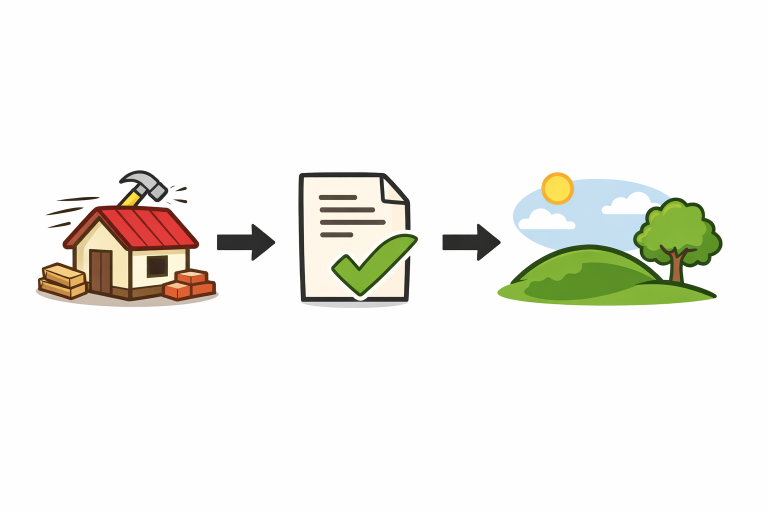
In 2025, California enacted two noteworthy legislative changes with Assembly Bill 130 and Senate Bill 131. These bills introduced new exemptions targeting some of the most urgent housing supply gaps and essential service needs within cities. Among the most significant changes:
- Housing projects on infill parcels up to 20 acres in established urbanized areas can now proceed without some traditional CEQA review steps.
- Certain projects located in industrial-zoned areas, including childcare centers, health clinics, and advanced manufacturing facilities, are also exempt from typical environmental reports.
These changes aim to accelerate development by removing what many see as unnecessary regulatory delays. They reflect an increasing willingness on the part of lawmakers to adapt California’s environmental policy to respond to contemporary needs and priorities.
Impact on Housing Development
The newly expanded exemptions have already made a noticeable difference in several California regions. Especially in urban areas with acute housing shortages, the elimination of lengthy review processes has led to a noticeable increase in permit approvals and project groundbreakings. For example, in North County coastal communities, developers have been able to circumvent some of the lengthy planning and zoning hurdles that previously hamstrung new construction, enabling faster delivery of much-needed housing stock.
These legislative changes are particularly important during a moment when California continues to face some of the highest home prices and lowest housing inventories in the nation. According to recent reporting by The New York Times, this kind of regulatory streamlining could be critical to achieving state housing goals and easing pressure on families and communities.
Environmental Concerns
Although CEQA exemptions offer tangible benefits for development, the changes have generated significant pushback from environmental organizations and some community advocacy groups. Concerns include the possible loss of habitat for at-risk species, increased greenhouse gas emissions, and the overall weakening of crucial environmental protections. Many environmental advocates highlight that streamlined development can sometimes mean decreased oversight of projects’ long-term impacts, making it essential for communities to monitor implementation closely and advocate for additional safeguards where necessary.
Balancing Speed with Sustainability
Ultimately, the state faces the challenge of balancing the urgent need for more housing and services with the imperative to maintain environmental values. Critics worry about the precedent set by broad CEQA exemptions, while others argue that inaction could mean worsening homelessness and affordability crises.
Case Studies
Several development projects illustrate the tangible results of new CEQA exemptions. In San Diego, a major mixed-use housing development was able to bypass the city’s traditional environmental review process by leveraging the infill housing exemption for urban parcels. This accelerated the project by months, with developers citing substantial cost savings and more certain delivery timelines. Similar stories are unfolding statewide, each providing a blueprint for how the new regulations can work to benefit both developers and communities in need of new resources.
Future Outlook
Policymakers continue to debate the right balance between fast-tracking development and maintaining robust environmental oversight. As new legislation is proposed and tested, the broader implications for both the housing market and California’s ecosystems remain to be seen. However, there is widespread agreement that CEQA’s future will involve ongoing adjustments to address both economic and environmental realities. Continuing to review legislative updates and judicial rulings will be essential for all stakeholders invested in California’s sustainable growth trajectory.
Conclusion
In a state marked by high housing costs and celebrated environmental resources, the evolution of CEQA exemptions stands out as one of this decade’s most impactful policy debates. While new exemptions have unlocked development potential across California, they also raise important questions about the state’s environmental legacy. As agencies, developers, and residents adapt to these reforms, proactive monitoring and a willingness to revisit regulations will be key to ensuring that progress remains both swift and sustainable.