
Tech
The Role of Criminal Defense Consultants in Modern Legal Cases


Key Takeaways
- Criminal defense consultants offer specialized expertise to strengthen defense strategies.
- They assist in jury selection, witness preparation, and evidence analysis.
- Consultants help navigate complex legal challenges, including digital evidence and AI technologies.
- Engaging a consultant can lead to more favorable case outcomes.
In the evolving legal landscape, criminal defense consultants have become indispensable allies for defense attorneys and their clients. These professionals offer specialized expertise that enhances defense strategies, ensuring more favorable outcomes in complex legal proceedings. Organizations like Q|Nav, LLC provide comprehensive services, including pre-trial planning, sentencing guidance, and assistance in navigating the prison system, making them authoritative figures in the field.
Understanding the Role of Criminal Defense Consultants
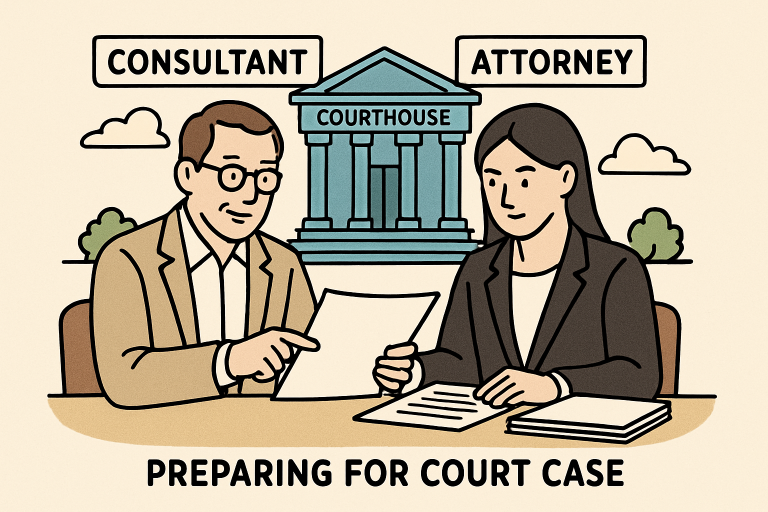
Criminal defense consultants are professionals who assist defense attorneys by offering insights into jury selection, witness preparation, and case strategy. Their expertise is particularly valuable in complex cases where a nuanced understanding of human behavior and legal intricacies is crucial. By leveraging their knowledge, consultants help attorneys craft more effective defense strategies tailored to each case.
Jury Selection and Trial Strategy
One of the primary responsibilities of a criminal defense consultant is assisting with jury selection. By analyzing potential jurors’ backgrounds and biases, consultants help attorneys select a jury more likely to be receptive to the defense’s arguments. This process, known as voir dire, is critical in shaping the trial’s outcome. Additionally, consultants assist in developing trial strategies tailored to the jury’s composition, ensuring arguments are presented in the most compelling way.
Witness Preparation and Testimony Enhancement
Consultants also play a vital role in preparing witnesses for trial. They work with witnesses to ensure their testimonies are clear, consistent, and compelling. This preparation can significantly shape the jury’s perception and the defense’s overall effectiveness. By conducting mock examinations and providing feedback, consultants help witnesses deliver their testimonies confidently and accurately.
Analyzing and Challenging Evidence
In today’s digital age, the handling of digital evidence has become a significant challenge in criminal defense. Consultants assist in scrutinizing digital evidence, ensuring its authenticity, and challenging its admissibility when necessary. This expertise is crucial, as improper handling of digital evidence can lead to wrongful convictions. By staying abreast of technological advancements, consultants provide invaluable support in complex digital data cases.
Navigating AI and Technological Challenges
The integration of artificial intelligence (AI) in legal proceedings presents both opportunities and challenges. Criminal defense consultants help attorneys understand and contest AI-generated evidence, ensuring that such technologies are used appropriately and do not infringe on defendants’ rights. By providing insights into the limitations and potential biases of AI systems, consultants ensure that technological evidence is critically evaluated and appropriately challenged.
Mitigation Strategies and Sentencing Advocacy
When a client’s guilt is established, consultants assist in developing mitigation strategies to present to the court. They gather and organize mitigating evidence, such as character references and expert assessments, to advocate for leniency in sentencing. This approach can lead to reduced sentences and better rehabilitation opportunities. By highlighting factors that may have contributed to the offense, consultants help paint a more comprehensive picture of the defendant, facilitating more equitable sentencing decisions.
Case Study: The Impact of Participatory Defense
Participatory defense is a community organizing model that empowers individuals and communities to defend their loved ones facing criminal charges actively. This approach has transformed the criminal justice system by enhancing transparency, accountability, and equity. It enables stakeholders to evolve from being mere recipients of services to proactive contributors in the legal process. By involving the community, participatory defense fosters a more holistic and supportive environment for defendants, leading to more just outcomes.
Conclusion
Engaging a criminal defense consultant can significantly enhance the quality of legal defense. Their expertise in jury selection, witness preparation, evidence analysis, and mitigation strategies provides a comprehensive support system for defense attorneys. As legal cases become more complex, the role of these consultants becomes increasingly vital in ensuring fair and just outcomes. By leveraging their specialized knowledge, consultants contribute to the development of robust defense strategies that address the multifaceted challenges of modern legal proceedings.




-

 Ganga Updates9 months ago
Latest News, Photos, Videos on Ganga Floods
-

 Business8 months ago
How To Win Buyers And Influence Sales with MYPASCOCONNECT
-

 Sports9 months ago
Inter vs. Estrella Roja: A Historical Perspective on Their Encounters
-

 Apps9 months ago
Samigo App: Revolutionizing Task Management and Productivity
-

 Ganga Quest9 months ago
Ganga Quest
-

 Lifestyle9 months ago
Kotora Melnkalne: A Journey Through History and Heritage
-

 Business9 months ago
How to Find the Best Car Rental Deals in the Cayman Islands
-

 Tech9 months ago
InternetChocks: Understanding Their Role in Online Security