Key Takeaways
- Grounding techniques redirect your focus from stressors to the present moment, improving emotional regulation.
- Utilizing your senses and creativity can make grounding more effective and enjoyable.
- Consistent practice nurtures emotional resilience and overall well-being.
In a world that thrives on speed and constant demands, it’s all too easy for stress to become a routine part of daily life. Managing stress effectively isn’t just about reacting to difficulties; it’s about incorporating proactive strategies into your daily habits. Grounding techniques are powerful tools that redirect your attention from overwhelming thoughts and anchor you in the present. If you’re seeking ways to enhance your mental well-being, practicing grounding can be a transformative step. If you’re searching for personalized strategies guided by experts, local licensed therapists Pittsburgh PA, can offer professional support and further guidance on grounding approaches.
Grounding often blends physical, sensory, and creative methods—making them accessible even during your busiest days. By turning toward sensations, movement, or focused breathing, you create a pause that calms your mind and helps you regain perspective. Regularly using these creative anchoring exercises may help you cope more effectively with stress, build resilience, and foster a healthier mental state over time.
1. Engage in Progressive Muscle Relaxation
Progressive Muscle Relaxation (PMR) is a method that teaches you to become attuned to bodily sensations by systematically tensing and relaxing muscle groups. This practice not only relieves physical stress but also sharpens your ability to detect and respond to tension before it escalates. To try PMR, begin at your toes. Tighten a muscle group as you inhale, hold for a few seconds, and then release as you exhale, moving upward through the body. Studies show that PMR can reduce symptoms of anxiety and promote better sleep, making it an excellent foundation for self-care routines.
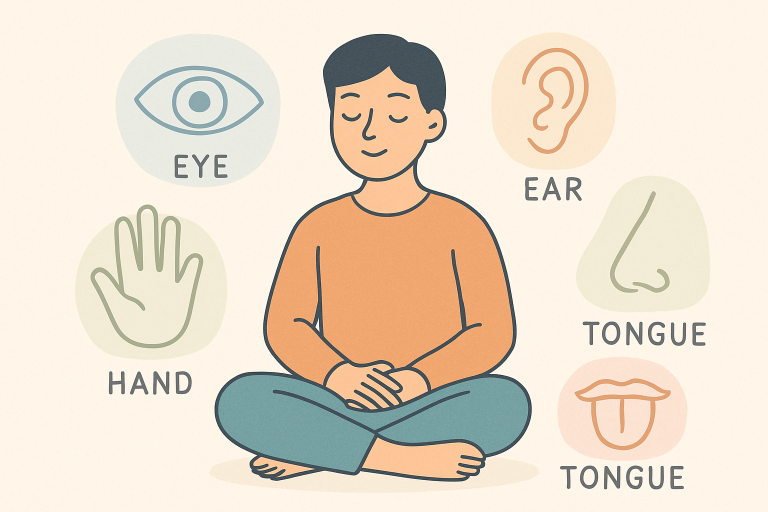
2. Practice the 5-4-3-2-1 Technique
This classic grounding practice quickly engages your five senses to draw your mind away from anxious loops and into the environment around you. The structure is simple: notice five things you can see, four you can touch, three you can hear, two you can smell, and one you can taste. By systematically working through each sense, stress loses its edge as your mind shifts into a state of presence. The simplicity and portability of this technique make it ideal for stressful workplaces, public transportation, or anxious moments at home. For more detailed instructions, refer to this Healthline guide on grounding exercises.
3. Utilize Aromatherapy
Essential oils and calming scents can offer instant stress relief by activating your brain’s emotional centers. Aromatherapy can be as simple as placing a drop of lavender or peppermint oil on your wrist, or using a diffuser nearby when you notice anxiety increasing. Even the ritual of inhaling a peaceful scent can signal to your body that it’s time to relax. This method is a favorite among individuals who enjoy sensory rituals and seek to add a creative touch to their self-care routine. Clinical trials suggest that certain scents may have a measurable impact on anxiety and mood, making this a valuable addition to your toolkit.
4. Create Art or Engage in Crafting
Creative outlets, such as drawing, painting, or simple crafting, can serve as powerful grounding practices. Working with your hands engages both your sense of touch and sight, leading to an absorbing experience that disrupts negative thought cycles. Art isn’t about the end result—it’s about the process of creation, which can foster self-expression and mindfulness. Even coloring in a notebook or molding a piece of clay can invite calm and clarity when worry becomes overwhelming.
5. Practice Mindful Stretching or Yoga
Intentional physical movement, such as gentle stretches or yoga, allows you to release built-up tension while tuning into your body’s needs. Regular stretching, even for just five minutes daily, loosens muscles and unblocks physical and emotional stiffness caused by chronic stress. The flowing movement of yoga, combined with controlled breathing, provides a holistic approach to grounding. For a more in-depth introduction suitable for all skill levels, Harvard Health Publishing offers a detailed overview of yoga’s health benefits.
6. Engage in Body Scan Meditation
The body scan is a meditative technique that enhances awareness of your body’s sensations one area at a time. You begin at your scalp or feet and travel slowly in your mind, observing tightness, warmth, or even numbness without judgment or attempts to change them. This simple yet effective meditation grounds restless minds and gently brings you back into the present moment. Try incorporating short body scans into your nightly wind-down routine to enhance mindfulness and promote restful sleep.
7. Use Sensory Objects
Fidget tools, plush fabrics, smooth stones, or favorite tactile items can be integral to everyday grounding, especially when stress hits unexpectedly. Having a sensory object you can touch, squeeze, or trace with your fingers helps shift your mind from internal worries to external sensations. This can be especially helpful in work and classroom settings where other grounding methods may not be practical.
8. Practice Conscious Breathing
Deep, slow breaths are a natural counter to the body’s stress response. By focusing on the in and out of your breath, tension lessens and clarity returns. Start by noticing your breath’s rhythm and then try to make your inhales and exhales equal in duration. With practice, this technique can lower your heart rate, decrease feelings of panic, and serve as a quick on-the-go reset. Incorporating deliberate breathing routines is a small yet transformational act for managing daily stress.
Experiment with these grounding techniques to determine which works best for your lifestyle and unique stress triggers. The consistency of practice is key: over time, grounding becomes an intrinsic support for both mind and body, keeping you steady regardless of what each day brings.