Animal readings help owners better understand their pets’ emotions, needs, and behaviors.
Insights from readings can improve communication, reduce stress, and address behavioral challenges.
Recognizing and responding to subtle cues fosters a deeper, more trusting bond.
Incorporating readings into daily routines enhances pets’ comfort, happiness, and overall well-being.
Combining readings with consistent training, quality time, and attention to body language strengthens the human-animal connection.
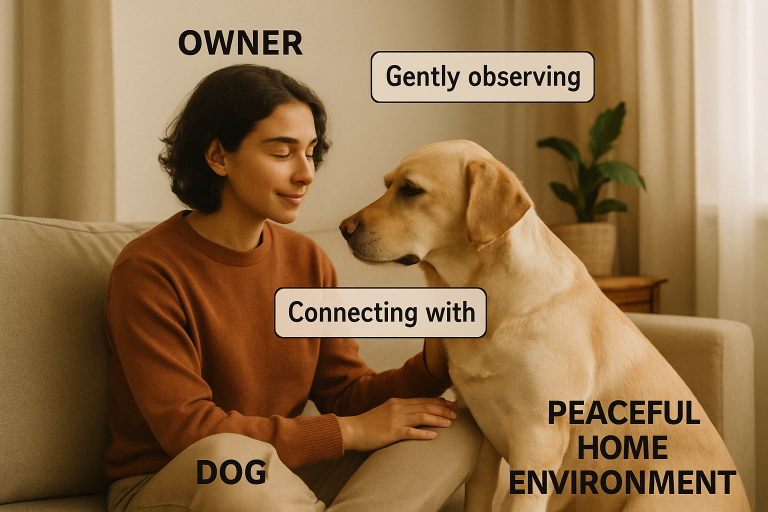
Building a strong and lasting connection with your pet can be one of the most rewarding parts of pet ownership. As we search for new ways to deepen that bond, more people are discovering that unique approaches, such as animal readings, can offer fresh insights into their pets’ needs and personalities. An animal communicator may help bridge the gap between what your pet is trying to express and what you understand, paving the way for a closer, more harmonious relationship.
Animal readings use intuitive skills and specialized techniques to interpret your pet’s nonverbal cues, allowing you to tune in to their emotions and behaviors more fully. This method does not replace veterinary or behavioral expertise, but rather complements traditional care, opening a channel for greater empathy, understanding, and communication with your animal companion.
Cultivating this deeper understanding can be transformative, especially for pets that struggle with unexplained anxiety, behavioral issues, or emotional distress. It is an opportunity to address issues at their source and to tailor your daily interactions for the greatest benefit to both you and your pet.
According to experts in animal behavior, building mutual understanding fosters trust, reduces stress, and promotes a happier, more connected life together. The insights gained from animal readings can make everyday activities more meaningful and responsive to your pet’s genuine preferences and needs.
Understanding Animal Readings
Animal readings draw from a combination of observation, intuition, and specialized training. Practitioners seek to interpret physical signals (such as posture, facial expressions, and vocalizations) along with energetic cues. This kind of communication becomes especially helpful when pets are unable to voice pain, fear, or confusion in typical ways. Recognizing subtle shifts in body language or emotional states can make a dramatic difference in how you care for your pet, creating an atmosphere of mutual respect and compassion.
Benefits of Animal Readings
Enhanced Communication: You gain the ability to better understand your pet’s feelings, enabling more sensitive, appropriate responses for their comfort.
Behavioral Insights: By understanding the root cause of puzzling behavior, you can apply solutions that are supportive rather than punitive, which often leads to a happier household.
Emotional Support: Tuning in to signs of anxiety, grief, or contentment helps you provide comfort and reassure your pet during times of need.
Deeper Bond: Recognizing your pet as a sentient, feeling being strengthens your relationship, leading to greater stability and joy in daily life.
Incorporating Animal Readings into Daily Life
Insights from animal readings can easily become part of your daily pet care routine. For example, if you discover your cat feels safest with routine and gentle handling, you can adjust your home environment or play routines to reduce stress. If a dog is happiest when exploring outdoors, you might prioritize regular visits to the park or hiking trips.
Tracking these changing moods and preferences is a proactive way to ensure your pet feels heard and respected. Over time, small adjustments, such as providing a cozy retreat during noisy parts of the day, can yield noticeable improvements in your pet’s behavior and overall happiness.
Complementary Practices to Strengthen Your Bond
While animal readings are valuable, pairing them with other mindful pet care practices offers even deeper rewards. Here are some proven ways to build trust, enrich communication, and nurture your unique relationship with your pet.
Consistent Training
Regular training sessions using positive reinforcement shape your pet’s behavior while strengthening your connection. Dogs and even some cats benefit from structured learning, which provides mental stimulation and reinforces healthy routines. Training is not just about teaching commands but also about building a language of trust and signals between you and your companion. According to the American Kennel Club, training sessions build a foundation of trust that can help you understand how your pet learns and responds to the world.
Quality Time Together
Spending meaningful time with your pet each day is essential for strengthening your bond. Play sessions, walks, and quiet moments of affection all signal safety and belonging. Exploring new environments or trying new activities keeps your pet mentally alert and emotionally fulfilled. The rewards are mutual: pets feel secure and valued, while owners enjoy a deeper level of companionship and trust.
Understanding Body Language
Tuning into your pet’s body language is a critical aspect of communication. From tail wags to ear positions or subtle shifts in posture, these clues provide vital insight into how your animal is feeling in the moment. Learning to interpret these signs not only enhances empathy but also helps prevent misunderstandings and accidental stress. Resources like the Humane Society offer helpful guides to interpreting and responding to your pet’s needs.
Final Thoughts
Animal readings offer a unique way to connect with your pet, opening the door to greater understanding, patience, and joy. When combined with consistent training, dedicated quality time, and an attentive reading of body language, these practices promote deep trust and communication. Such a holistic approach not only strengthens your bond with your beloved companion but also enriches both of your lives with shared happiness.

Spirosona is a brand name commonly associated with Spironolactone, a potassium-sparing diuretic widely used in the treatment of various medical conditions. It belongs to a class of drugs known as aldosterone antagonists and works by helping the body eliminate excess fluid while retaining potassium. This article provides a comprehensive overview of Spirosona, including its uses, benefits, dosage guidelines, and frequently asked questions, along with a simple dosage calculation example.
What is Spirosona?
Spirosona is primarily prescribed to treat conditions caused by excess fluid retention and hormonal imbalances. It blocks the hormone aldosterone, which regulates salt and water balance in the body. By inhibiting this hormone, Spirosona helps reduce fluid buildup and lowers blood pressure.
Common Uses of Spirosona
1. Hypertension (High Blood Pressure)
Spirosona is often used to manage high blood pressure. By removing excess sodium and water from the body, it reduces the volume of blood flowing through vessels, which lowers pressure.
2. Edema (Fluid Retention)
Patients suffering from conditions like heart failure, liver disease, or kidney problems may experience swelling due to fluid buildup. Spirosona helps reduce this swelling.
3. Heart Failure
It is commonly prescribed to improve survival in patients with severe heart failure by reducing strain on the heart.
4. Hormonal Acne
Spirosona is sometimes used off-label to treat acne, especially in females, because it reduces androgen levels (male hormones that can cause acne).
5. Polycystic Ovary Syndrome (PCOS)
Women with PCOS may benefit from Spirosona as it helps control symptoms like excessive hair growth and hormonal imbalance.
How Spirosona Works
Spirosona works by blocking aldosterone receptors in the kidneys. This prevents sodium reabsorption and promotes water excretion, while potassium is retained. This dual effect makes it different from many other diuretics.
Benefits of Spirosona
Helps lower blood pressure
Reduces swelling and fluid retention
Improves heart function in heart failure patients
Treats hormonal conditions like acne and PCOS
Preserves potassium levels
Dosage Guidelines
The dosage of Spirosona varies depending on the condition being treated:
Hypertension: 25–100 mg per day
Edema: 25–200 mg per day
Heart Failure: Typically 25 mg daily
Acne/PCOS: 50–200 mg per day
⚠️ Always follow a doctor’s prescription. Self-medication can lead to serious side effects.
Dosage Calculation Example
Let’s understand a simple calculation:
Scenario: A doctor prescribes 50 mg daily, and the available tablet strength is 25 mg.
Calculation:Number of tablets per day=25mg/tablet50mg=2tablets
So, the patient should take 2 tablets per day.
Possible Side Effects
Like all medications, Spirosona may cause side effects:
High potassium levels (hyperkalemia)
Dizziness or fatigue
Breast tenderness or enlargement
Menstrual irregularities
Nausea
Seek medical attention if severe symptoms occur.
Precautions
Avoid potassium supplements unless prescribed
Inform your doctor about kidney or liver issues
Pregnant or breastfeeding women should consult a doctor
Regular blood tests may be required to monitor potassium levels
Drug Interactions
Spirosona may interact with:
ACE inhibitors (increase potassium risk)
NSAIDs (reduce effectiveness)
Other diuretics
Blood pressure medications
Always inform your healthcare provider about all medications you are taking.
FAQs About Spirosona
1. Is Spirosona safe for long-term use?
Yes, it can be safe if taken under medical supervision with regular monitoring.
2. Can Spirosona cause weight loss?
It may cause temporary weight loss due to fluid reduction, not fat loss.
3. How long does it take to work?
For blood pressure, effects may appear within a few days. For acne, it may take several weeks.
4. Can men use Spirosona?
Yes, but it may cause hormonal side effects like breast enlargement in some men.
5. What should I avoid while taking Spirosona?
Avoid high-potassium foods (like bananas in excess) and potassium supplements.
6. Can I stop taking Spirosona suddenly?
No, always consult your doctor before stopping any medication.
Conclusion
Spirosona is a versatile and effective medication used to treat a variety of conditions ranging from high blood pressure to hormonal disorders. Its unique ability to remove excess fluid while preserving potassium makes it particularly valuable in medical treatment. However, like any medication, it should be used responsibly under medical guidance. Understanding its uses, dosage, and precautions can help ensure safe and effective treatment.
Squirrels are among the most familiar and fascinating animals found across the world. Known for their bushy tails, quick movements, and playful behavior, squirrels belong to the family Sciuridae. This family includes tree squirrels, ground squirrels, chipmunks, marmots, and flying squirrels. These small mammals play an important role in ecosystems and are admired for their intelligence and adaptability.
What is a Squirrel?
A squirrel is a small to medium-sized rodent that typically lives in trees or burrows. They are most commonly found in forests, parks, gardens, and urban areas. Squirrels are easily recognizable due to their long, fluffy tails and sharp claws that help them climb trees effortlessly.
There are over 200 species of squirrels worldwide, and they are mainly divided into three categories:
Tree squirrels – live in trees (e.g., gray squirrel)
Ground squirrels – live in burrows on the ground
Flying squirrels – glide between trees using a membrane
Physical Characteristics
Squirrels have unique features that make them highly adaptable:
Size: Typically 10–50 cm long (including tail)
Weight: Around 250–1000 grams depending on species
Fur: Soft and dense, varying in colors like gray, brown, red, or black
Tail: Helps with balance, communication, and warmth
Teeth: Sharp front teeth that grow continuously
Their strong hind legs allow them to jump distances up to 10 times their body length.
Habitat and Distribution
Squirrels are found on almost every continent except Antarctica and Australia (though some species have been introduced there). They thrive in:
Forests
Grasslands
Urban parks
Gardens
Tree squirrels build nests called dreys using leaves and twigs, while ground squirrels dig tunnels underground.
Diet and Feeding Habits
Squirrels are mostly herbivores but can also be omnivores. Their diet includes:
Nuts (acorns, walnuts)
Seeds
Fruits
Mushrooms
Tree bark
Occasionally insects and small animals
One interesting behavior is food caching, where squirrels store food for later use, especially during winter.
Behavior and Intelligence
Squirrels are highly intelligent animals. They use memory and spatial awareness to locate buried food. Studies show that squirrels can remember thousands of hiding spots.
Other behaviors include:
Tail flicking for communication
Rapid climbing and jumping
Mimicking hiding actions to confuse thieves
Reproduction and Life Cycle
Squirrels reproduce once or twice a year. Key facts include:
Gestation period: 30–45 days
Litter size: 2–6 babies (called kits)
Lifespan: 6–12 years in the wild
Young squirrels are born blind and depend on their mother for survival during the early weeks.
Importance in Ecosystem
Squirrels play a vital role in maintaining ecological balance:
Help in seed dispersal
Promote forest growth
Serve as prey for predators like hawks and foxes
Their habit of burying nuts often leads to new trees growing.
Calculation Example: Food Storage by a Squirrel
Let’s estimate how much food a squirrel stores for winter.
Assumption:
A squirrel collects about 20 nuts per day
It stores food for 90 days (autumn season)
Calculation:
Total nuts stored = 20 × 90 = 1800 nuts
If one nut weighs about 5 grams:
Total weight = 1800 × 5 = 9000 grams (9 kg)
👉 This shows how hardworking squirrels are, gathering nearly 9 kg of food to survive winter!
Fun Facts About Squirrels
Squirrels can rotate their ankles 180 degrees for climbing down trees
Flying squirrels can glide up to 150 feet
Their teeth never stop growing
They pretend to bury nuts to trick other animals
Some squirrels can swim
Common Types of Squirrels
Gray Squirrel – Common in North America
Red Squirrel – Smaller and more aggressive
Flying Squirrel – Nocturnal gliders
Ground Squirrel – Lives in burrows
Indian Palm Squirrel – Found in South Asia
Threats to Squirrels
Although squirrels are common, they still face challenges:
Habitat loss due to deforestation
Road accidents
Predators
Climate change
Conservation efforts help protect their natural habitats.
FAQs
1. What do squirrels eat the most?
Squirrels mainly eat nuts, seeds, and fruits. They especially love acorns and walnuts.
2. Do squirrels hibernate?
Most squirrels do not fully hibernate, but they reduce activity and rely on stored food during winter.
3. Are squirrels dangerous?
Squirrels are generally harmless but can bite if threatened.
4. How smart are squirrels?
They are very intelligent, with strong memory and problem-solving skills.
5. Can squirrels fly?
Flying squirrels do not actually fly; they glide using a special skin membrane.
6. How long do squirrels live?
Squirrels live around 6–12 years in the wild, depending on species.
7. Why do squirrels bury nuts?
They bury nuts to store food for winter survival.
8. Where do squirrels sleep?
Tree squirrels sleep in nests (dreys), while ground squirrels sleep in burrows.
9. What is a baby squirrel called?
A baby squirrel is called a kit or kitten.
10. Do squirrels remember where they hide food?
Yes, they use memory and smell to find hidden food.
Conclusion
Squirrels are remarkable creatures that combine agility, intelligence, and adaptability. From their food-storing habits to their role in forest growth, they contribute significantly to the ecosystem. Whether in a park or deep forest, observing squirrels can be both entertaining and educational. Understanding their behavior and importance helps us appreciate and protect these lively animals.
In today’s fast-paced digital environment, platforms and concepts that simplify information sharing and micro-level insights are becoming increasingly valuable. One such emerging term is Microdisha. While not yet widely standardized, Microdisha is often understood as a system, platform, or approach that focuses on micro-level guidance, localized insights, or targeted digital solutions.
The word itself combines “micro” (small, detailed, specific) and “disha” (direction or guidance). Together, Microdisha represents precise direction or focused solutions at a granular level.
This article explores the concept of Microdisha, its uses, benefits, and includes practical calculations to help you understand its impact.
What is Microdisha?
Microdisha refers to a focused guidance system or platform that delivers highly specific, localized, or personalized information. It can be applied in multiple domains such as:
Education (micro-learning guidance)
Business (micro-targeting strategies)
Technology (localized data systems)
Personal development (step-by-step direction)
Key Characteristics
Precision – Targets specific needs
Localization – Focuses on small geographic or niche areas
Efficiency – Reduces unnecessary information overload
Scalability – Can expand from micro to macro systems
Applications of Microdisha
1. Education
Microdisha can help students by breaking large topics into smaller, digestible lessons.
Example: Instead of studying “Mathematics,” a Microdisha approach focuses on:
Algebra basics
Linear equations
Step-by-step problem solving
2. Business and Marketing
Companies use Microdisha-like strategies for micro-targeting customers.
Example:
Targeting users in a specific city
Showing ads based on user behavior
Personalized product recommendations
3. Technology
In tech, Microdisha can be linked to:
Data segmentation
AI-based recommendations
Microservices architecture
4. Personal Growth
Individuals can use Microdisha for:
Daily goals
Habit tracking
Focused improvement plans
Benefits of Microdisha
1. Better Focus
Instead of handling large datasets or tasks, Microdisha narrows the scope.
2. Increased Efficiency
Time is saved by focusing only on relevant details.
3. Improved Results
Targeted efforts often lead to higher success rates.
4. Scalability
Micro-level insights can be expanded to broader strategies.
Microdisha Calculation Example
Let’s understand Microdisha through a simple business targeting calculation.
Scenario:
A company wants to target customers in a city.
Total population = 1,000,000
Target segment (age 18–30) = 30%
Interested users = 40% of that segment
Step-by-Step Calculation:
Target age group:
1,000,000×0.30=300,000
Interested users:
300,000×0.40=120,000
Final Result:
Microdisha target audience = 120,000 users
This shows how Microdisha helps narrow down from a large population to a precise audience.
Microdisha Efficiency Formula
You can measure efficiency using:Efficiency=Total InputTargeted Output×100
Example:
Total users reached = 1,000,000
Actual engaged users = 120,000
Efficiency=1,000,000120,000×100=12%
With Microdisha, improving targeting can increase this percentage significantly.
Microdisha vs Traditional Approach
Feature
Microdisha Approach
Traditional Approach
Focus
Narrow & specific
Broad & general
Efficiency
High
Medium
Data Usage
Optimized
Large-scale
Results
Targeted
Mixed
Challenges of Microdisha
While effective, Microdisha has some limitations:
Data Dependency – Requires accurate data
Complex Setup – Needs planning and tools
Limited Scope – May miss broader opportunities
Future of Microdisha
The concept of Microdisha is growing alongside:
Artificial Intelligence (AI)
Big Data Analytics
Personalized digital experiences
In the future, Microdisha may become a standard for:
Smart cities
Personalized education
Precision marketing
FAQs
1. What does Microdisha mean?
Microdisha refers to small-scale, precise guidance or direction, often used in digital systems, education, or business targeting.
2. Is Microdisha a software or concept?
It can be both. Microdisha is mainly a concept, but it can also be implemented through software platforms.
3. How is Microdisha useful in business?
It helps businesses:
Target specific audiences
Increase efficiency
Improve conversion rates
4. Can students use Microdisha?
Yes, students can use Microdisha for:
Micro-learning
Focused study plans
Step-by-step skill development
5. What is a simple Microdisha example?
Instead of marketing to everyone, a company targets:
Only students
In one city
Interested in tech products
6. How do you calculate Microdisha efficiency?
Use the formula:Efficiency=Total InputTargeted Output×100
7. Is Microdisha better than traditional methods?
In many cases, yes. It provides:
Better targeting
Less waste
Higher returns
Conclusion
Microdisha represents a shift toward precision, efficiency, and personalization. Whether used in education, business, or technology, it helps break down complex systems into manageable, actionable insights.
By focusing on the “micro” level, individuals and organizations can achieve better results with fewer resources. As digital systems continue to evolve, Microdisha is likely to play an important role in shaping smarter, more targeted solutions.