

Key Takeaways
- Modern homebuyers prioritize energy efficiency, sustainable design, and environmentally conscious features.
- Technology and digital platforms enable buyers to research, tour, and finance homes with greater ease and accuracy.
- Community amenities and neighborhood characteristics play an increasingly central role in the home selection process.
- Access to market data and professional guidance enables buyers to make informed, intelligent decisions in any housing market.
Homebuying has evolved dramatically over the last decade, with today’s buyers harnessing smarter tools and forward-thinking strategies. Whether you’re searching for your first home or upgrading to your next space, understanding modern market dynamics can help you make savvy decisions. Connecting with local professionals, such as Your Home Wichita, ensures you’re guided by the latest insights and supported throughout your purchase journey.
In a real estate landscape defined by rapid technological advancement, changing environmental priorities, and a renewed focus on well-rounded communities, buyers have more factors to consider—and more resources to leverage—than ever before. Embracing these trends and tools enables confident, data-driven purchasing decisions that align with both immediate and long-term objectives.
Energy Efficiency and Sustainability
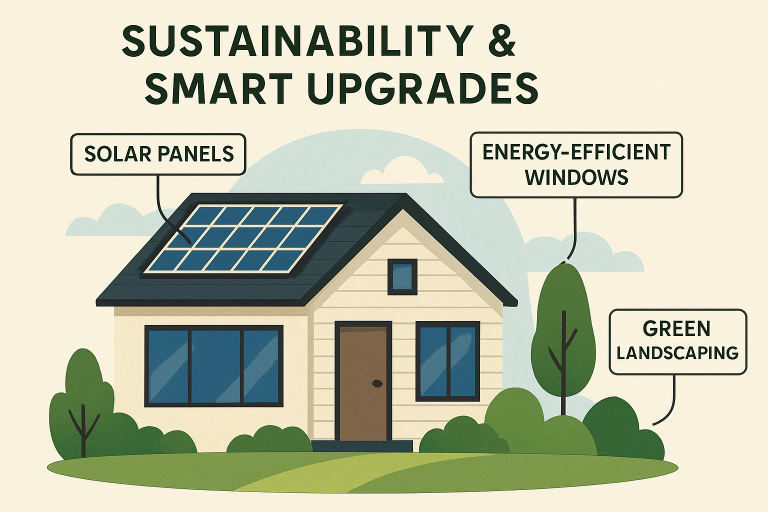
The importance of sustainability and energy efficiency is no longer niche—it’s mainstream. Over half of modern buyers now actively seek homes with features designed to minimize environmental impact and reduce long-term utility costs. Energy Star-rated appliances, triple-pane windows, enhanced insulation, and smart thermostats are among the most sought-after upgrades. Solar energy systems and eco-friendly building materials not only attract buyers but often command higher resale values—making them a sound investment in addition to a lifestyle choice. Recent research from the National Association of Realtors highlights this ongoing shift, noting a significant uptick in demand for green-certified homes across all age groups.
Buyers are also considering the total cost of ownership, looking beyond sticker price to factor in ongoing expenses. Homes that require less energy, need minimal repairs, or are built with renewable resources provide peace of mind and future savings. Ultimately, the modern homebuyer recognizes the profound impact their purchase can have on both their finances and the environment.

Technology and Digital Tools
Technology has revolutionized every stage of the homebuying experience. Virtual 3D tours, interactive floor plans, and drone video walkthroughs let buyers explore properties without stepping out the door. Marketplaces now integrate augmented reality to showcase potential renovations or furniture layouts. Transactional processes, including document signing and mortgage approvals, are frequently handled online—often with faster turnarounds than traditional methods. According to a comprehensive analysis by Forbes, 97% of homebuyers use the internet to start their search, relying on digital platforms for everything from market research to direct communication with agents and lenders.
Online mortgage calculators and comparison tools enable buyers to evaluate financing options in real-time, while mobile apps send instant notifications for new listings that match their saved preferences. The ability to access real-time inventory, pricing trends, and neighborhood data empowers buyers to act quickly and confidently. The digital-first approach isn’t just a trend; it has become an industry standard, helping buyers save time and streamline the process.
Community and Neighborhood Amenities
Beyond four walls and a roof, today’s purchasers seek vibrant neighborhoods that align with their lifestyles. Walkability, access to green spaces, quality schools, and neighborhood safety rank high on buyers’ lists of must-have features. Easy access to grocery stores, healthcare, and entertainment further boosts a location’s appeal, especially for families and young professionals. Properties near major employers or transit hubs are in especially high demand, reflecting widespread prioritization of shorter commutes and well-planned city infrastructure.
Community amenities such as swimming pools, playgrounds, clubhouses, and fitness centers are now major differentiators. Even in suburban or newly developed areas, proximity to urban conveniences and recreational spaces plays a decisive role in real estate value. As highlighted by The New York Times, strong neighborhoods foster deeper community connections and offer higher satisfaction, reinforcing the trend toward community-focused purchasing.
Data-Driven Decision Making
Smart homebuyers don’t leave their decisions to chance—they leverage the power of data. Comprehensive market reports, competitor analysis, and neighborhood heatmaps offer detailed insight into price history, future appreciation potential, school ratings, local tax trends, and more. Armed with data, buyers can identify the best time to purchase, spot up-and-coming areas, and avoid overpaying in overheated markets. Access to public records and professional appraisal data also helps purchasers understand the property’s true value and its potential investment return.
Working with experienced real estate professionals brings additional value, as agents provide a hyper-local perspective and negotiation expertise that data alone cannot replace. By combining quantitative resources with qualitative industry knowledge, buyers position themselves for optimal results and long-term satisfaction.
Final Thoughts
The landscape of homebuying has transformed into a multifaceted, tech-driven, and data-rich experience. By prioritizing sustainability, utilizing digital tools, choosing communities that foster long-term happiness, and basing decisions on robust data, today’s homebuyers set themselves up for success. Embracing this dynamic approach enables buyers to navigate the market’s complexity with confidence, making choices that stand the test of time and support their evolving needs.