The Toyota Hilux is one of the most iconic and enduring pickup trucks on the global automotive market. For over 50 years, it has earned a reputation for its reliability, toughness, and versatility, becoming a go-to choice for both commercial and personal use across various continents. With a lineage that spans generations, the Hilux has seen continuous evolution, keeping pace with modern technological advancements while staying true to its rugged roots. This article will explore the history, design, performance, and impact of the Toyota Hilux, illustrating why it remains one of the best-selling vehicles in its class.
A Legacy of Durability and Toughness
The Toyota Hilux first debuted in 1968 in Japan and was aimed at creating a reliable and durable light truck that could handle tough conditions, ideal for both work and leisure. Its origins trace back to Toyota’s philosophy of “Kaizen” (continuous improvement), and from the outset, the Hilux embodied this ethos, quickly becoming known for its robustness and reliability.
During its early years, the Hilux was a small, compact truck that appealed to customers needing a practical and efficient vehicle for transporting goods. The vehicle’s unpretentious design was complemented by its reliable engines, simple yet effective suspension systems, and tough build quality, all of which laid the foundation for its success. Over the years, the Hilux would evolve into a full-fledged, globally recognized pickup truck, beloved for its ability to tackle harsh terrains, from sandy deserts to rugged mountains.
Evolution Through the Generations
The Toyota Hilux has undergone several generations of development, with each new model offering improved performance, safety features, and design updates to meet changing customer demands.
First Generation (1968–1972)
The first Hilux model was relatively small and simple, with a 1.5-liter engine that produced 75 horsepower. It was offered as both a two-wheel-drive (2WD) and four-wheel-drive (4WD) vehicle, marking the beginning of its adaptability. The truck’s design was basic, with a flat front and an angular body, but it was practical for its time, appealing to those who needed a reliable utility vehicle.
Second Generation (1972–1978)
The second generation saw a size increase and the introduction of more advanced features. It was powered by a larger engine, and the Hilux also received its first real design overhaul, moving towards a more modern and aerodynamic shape. Additionally, Toyota introduced more engine options, including larger, more powerful 4-cylinder engines. The second-generation Hilux set the stage for the model’s future global success by becoming a more comfortable and versatile vehicle.
Third Generation (1978–1983)
In the 1980s, the Hilux became a symbol of toughness. This generation introduced a refined and more robust design. It was also around this time that the Hilux’s off-road capabilities began to earn a reputation. Toyota launched a 4WD version that would become particularly popular with those who needed a vehicle capable of handling difficult terrains. The robust chassis and dependable engines made this generation a favorite among farmers, tradespeople, and adventurers alike.
Fourth Generation (1983–1988)
The fourth generation brought even more advancements, including improved safety features, modern suspension systems, and better interior comfort. While still focusing on practicality and utility, the Hilux began incorporating elements that would appeal to a wider range of consumers, including those looking for a daily driver that could also handle off-road conditions. This generation featured notable upgrades in engine performance, with some models offering 2.4L and 2.8L diesel engine options.
Fifth Generation (1988–1997)
This generation saw major updates in both design and technology. The Hilux became more refined, with a more comfortable cabin, better ride quality, and improved handling. It continued to focus on durability, though, with an even tougher chassis and advanced 4WD systems that helped it dominate off-road challenges. The 2.8L diesel engine was particularly well-regarded for its power and efficiency.
Sixth Generation (1997–2005)
The sixth generation of the Toyota Hilux further strengthened the model’s reputation as a versatile and durable truck. The design became more modern, incorporating rounded edges, larger dimensions, and improved aerodynamics. It featured advanced safety technologies, including anti-lock braking systems (ABS) and airbags. Engine options included both petrol and diesel engines, with Toyota offering more powerful variants for those needing higher payload capacities and towing capabilities.
Seventh Generation (2005–2015)
By the time the seventh generation came around, the Hilux had evolved into a larger, more refined truck without sacrificing its off-road prowess. Toyota introduced more powerful engine options, including 2.5L and 3.0L turbodiesels. The interior saw a significant upgrade, with more comfort-oriented features such as air conditioning, better seating, and enhanced audio systems. This generation of the Hilux became particularly well-known for its balance between luxury and utility, appealing to a broader consumer base, including business owners and families who needed both toughness and comfort.
Eighth Generation (2015–Present)
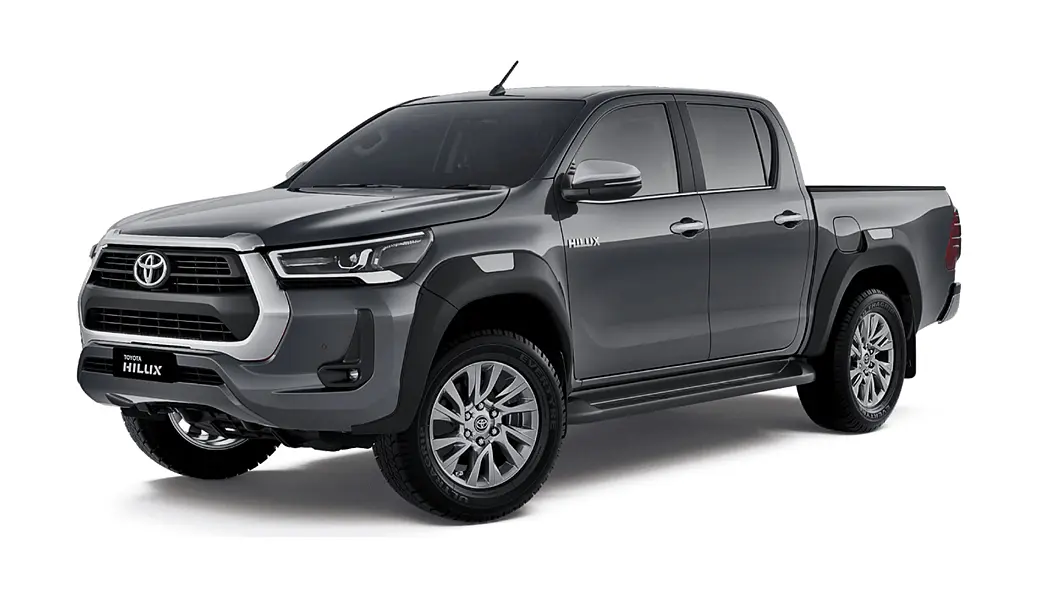
The eighth generation of the Toyota Hilux marked a significant shift, with the introduction of a more aggressive design, modernized technology, and better performance. Toyota’s focus on improving ride quality and off-road capability reached new heights, with the inclusion of advanced safety features such as lane-departure warnings, pre-collision systems, and active traction control. Additionally, Toyota’s commitment to offering fuel-efficient engines continued with the introduction of smaller, turbocharged diesel engines.
One of the most notable updates in the eighth generation was the addition of the Toyota Safety Sense package, which offered a suite of driver assistance features aimed at improving road safety. The interior design also took a more premium turn, with high-quality materials and intuitive infotainment systems that made the Hilux more comfortable for everyday driving.
Performance and Capability
At its core, the Toyota Hilux is built to be a tough, reliable workhorse. The vehicle is known for its impressive towing capacity, which varies based on the engine and configuration but can exceed 3,500 kg (7,700 lbs) in some models. This makes it a top choice for those who need to haul heavy loads, whether for work or recreation.
The Hilux’s off-road capabilities are legendary. Whether it’s traversing muddy trails, rocky hills, or desert sand, the Hilux’s 4WD system, along with its high ground clearance, gives it an advantage in harsh terrains. The truck’s design allows it to take on various challenges, with robust suspension systems and durable tires ensuring excellent traction and control.
Under the hood, the Hilux offers a range of engine options, including both petrol and diesel engines. While engine choices vary by market, the 2.8L turbodiesel engine is one of the most popular choices, delivering excellent power output while maintaining impressive fuel efficiency. The Hilux is also known for its durability, with many owners reporting high mileage and minimal maintenance issues over long periods of ownership.
The Toyota Hilux in Popular Culture
Beyond its role as a reliable utility vehicle, the Toyota Hilux has cemented its place in popular culture. Perhaps most famously, it was featured in the BBC television show Top Gear, where it was pushed to its limits in various extreme challenges. From driving over an explosive obstacle course to surviving a tsunami, the Hilux demonstrated its nearly indestructible nature.
This representation of the Hilux as a tough, invincible vehicle resonated with a global audience, further boosting the truck’s reputation as a symbol of reliability and resilience. It has also been a favorite choice for military and humanitarian organizations worldwide, further establishing its reputation as a dependable vehicle in extreme environments.
Conclusion
The Toyota Hilux stands as a testament to Toyota’s commitment to quality, durability, and innovation. From its humble beginnings as a small pickup truck to its current status as a global leader in the pickup truck market, the Hilux has continually adapted to the needs of its customers. Whether it’s for work, off-roading, or even as a daily driver, the Hilux continues to be a trusted companion for millions of people worldwide.








 Ganga Updates9 months ago
 Business8 months ago
 Sports9 months ago
 Apps9 months ago
 Ganga Quest9 months ago
 Lifestyle9 months ago
 Business9 months ago
 Tech9 months ago