Connect with us

Tech

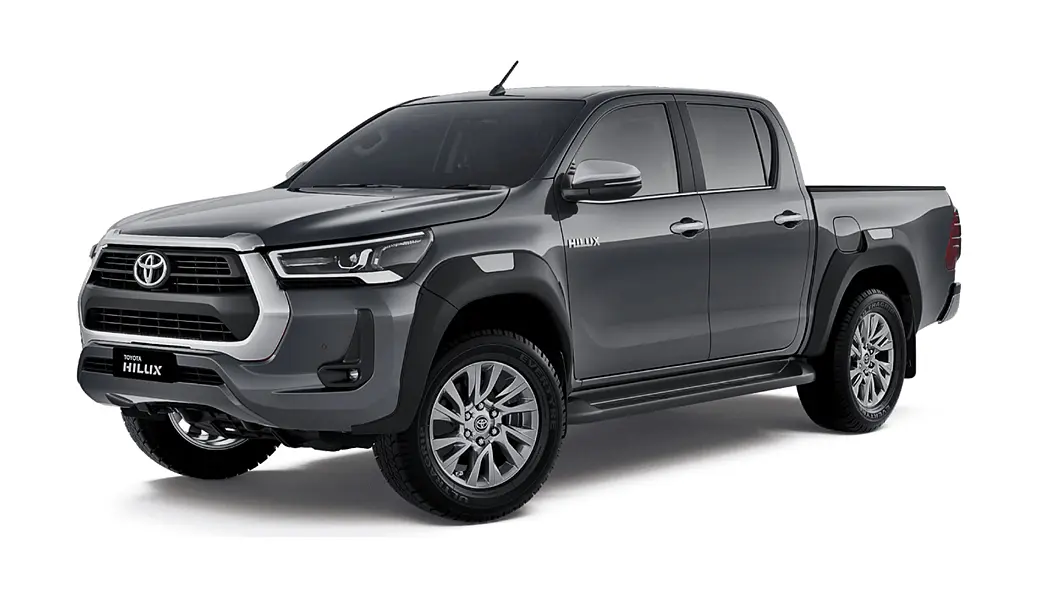
The Toyota Hilux: A Legendary Workhorse That Continues to Dominate

Published

on

The Toyota Hilux: A Legendary Workhorse That Continues to Dominate

The Toyota Hilux is one of the most iconic and enduring pickup trucks on the global automotive market. For over 50 years, it has earned a reputation for its reliability, toughness, and versatility, becoming a go-to choice for both commercial and personal use across various continents. With a lineage that spans generations, the Hilux has seen continuous evolution, keeping pace with modern technological advancements while staying true to its rugged roots. This article will explore the history, design, performance, and impact of the Toyota Hilux, illustrating why it remains one of the best-selling vehicles in its class.

A Legacy of Durability and Toughness

The Toyota Hilux first debuted in 1968 in Japan and was aimed at creating a reliable and durable light truck that could handle tough conditions, ideal for both work and leisure. Its origins trace back to Toyota’s philosophy of “Kaizen” (continuous improvement), and from the outset, the Hilux embodied this ethos, quickly becoming known for its robustness and reliability.

During its early years, the Hilux was a small, compact truck that appealed to customers needing a practical and efficient vehicle for transporting goods. The vehicle’s unpretentious design was complemented by its reliable engines, simple yet effective suspension systems, and tough build quality, all of which laid the foundation for its success. Over the years, the Hilux would evolve into a full-fledged, globally recognized pickup truck, beloved for its ability to tackle harsh terrains, from sandy deserts to rugged mountains.

Evolution Through the Generations

The Toyota Hilux has undergone several generations of development, with each new model offering improved performance, safety features, and design updates to meet changing customer demands.

First Generation (1968–1972)

The first Hilux model was relatively small and simple, with a 1.5-liter engine that produced 75 horsepower. It was offered as both a two-wheel-drive (2WD) and four-wheel-drive (4WD) vehicle, marking the beginning of its adaptability. The truck’s design was basic, with a flat front and an angular body, but it was practical for its time, appealing to those who needed a reliable utility vehicle.

Second Generation (1972–1978)

The second generation saw a size increase and the introduction of more advanced features. It was powered by a larger engine, and the Hilux also received its first real design overhaul, moving towards a more modern and aerodynamic shape. Additionally, Toyota introduced more engine options, including larger, more powerful 4-cylinder engines. The second-generation Hilux set the stage for the model’s future global success by becoming a more comfortable and versatile vehicle.

Third Generation (1978–1983)

In the 1980s, the Hilux became a symbol of toughness. This generation introduced a refined and more robust design. It was also around this time that the Hilux’s off-road capabilities began to earn a reputation. Toyota launched a 4WD version that would become particularly popular with those who needed a vehicle capable of handling difficult terrains. The robust chassis and dependable engines made this generation a favorite among farmers, tradespeople, and adventurers alike.

Fourth Generation (1983–1988)

The fourth generation brought even more advancements, including improved safety features, modern suspension systems, and better interior comfort. While still focusing on practicality and utility, the Hilux began incorporating elements that would appeal to a wider range of consumers, including those looking for a daily driver that could also handle off-road conditions. This generation featured notable upgrades in engine performance, with some models offering 2.4L and 2.8L diesel engine options.

Fifth Generation (1988–1997)

This generation saw major updates in both design and technology. The Hilux became more refined, with a more comfortable cabin, better ride quality, and improved handling. It continued to focus on durability, though, with an even tougher chassis and advanced 4WD systems that helped it dominate off-road challenges. The 2.8L diesel engine was particularly well-regarded for its power and efficiency.

Sixth Generation (1997–2005)

The sixth generation of the Toyota Hilux further strengthened the model’s reputation as a versatile and durable truck. The design became more modern, incorporating rounded edges, larger dimensions, and improved aerodynamics. It featured advanced safety technologies, including anti-lock braking systems (ABS) and airbags. Engine options included both petrol and diesel engines, with Toyota offering more powerful variants for those needing higher payload capacities and towing capabilities.

Seventh Generation (2005–2015)

By the time the seventh generation came around, the Hilux had evolved into a larger, more refined truck without sacrificing its off-road prowess. Toyota introduced more powerful engine options, including 2.5L and 3.0L turbodiesels. The interior saw a significant upgrade, with more comfort-oriented features such as air conditioning, better seating, and enhanced audio systems. This generation of the Hilux became particularly well-known for its balance between luxury and utility, appealing to a broader consumer base, including business owners and families who needed both toughness and comfort.

Eighth Generation (2015–Present)

The eighth generation of the Toyota Hilux marked a significant shift, with the introduction of a more aggressive design, modernized technology, and better performance. Toyota’s focus on improving ride quality and off-road capability reached new heights, with the inclusion of advanced safety features such as lane-departure warnings, pre-collision systems, and active traction control. Additionally, Toyota’s commitment to offering fuel-efficient engines continued with the introduction of smaller, turbocharged diesel engines.

One of the most notable updates in the eighth generation was the addition of the Toyota Safety Sense package, which offered a suite of driver assistance features aimed at improving road safety. The interior design also took a more premium turn, with high-quality materials and intuitive infotainment systems that made the Hilux more comfortable for everyday driving.

Performance and Capability

At its core, the Toyota Hilux is built to be a tough, reliable workhorse. The vehicle is known for its impressive towing capacity, which varies based on the engine and configuration but can exceed 3,500 kg (7,700 lbs) in some models. This makes it a top choice for those who need to haul heavy loads, whether for work or recreation.

The Hilux’s off-road capabilities are legendary. Whether it’s traversing muddy trails, rocky hills, or desert sand, the Hilux’s 4WD system, along with its high ground clearance, gives it an advantage in harsh terrains. The truck’s design allows it to take on various challenges, with robust suspension systems and durable tires ensuring excellent traction and control.

Under the hood, the Hilux offers a range of engine options, including both petrol and diesel engines. While engine choices vary by market, the 2.8L turbodiesel engine is one of the most popular choices, delivering excellent power output while maintaining impressive fuel efficiency. The Hilux is also known for its durability, with many owners reporting high mileage and minimal maintenance issues over long periods of ownership.

The Toyota Hilux in Popular Culture

Beyond its role as a reliable utility vehicle, the Toyota Hilux has cemented its place in popular culture. Perhaps most famously, it was featured in the BBC television show Top Gear, where it was pushed to its limits in various extreme challenges. From driving over an explosive obstacle course to surviving a tsunami, the Hilux demonstrated its nearly indestructible nature.

This representation of the Hilux as a tough, invincible vehicle resonated with a global audience, further boosting the truck’s reputation as a symbol of reliability and resilience. It has also been a favorite choice for military and humanitarian organizations worldwide, further establishing its reputation as a dependable vehicle in extreme environments.

Conclusion

The Toyota Hilux stands as a testament to Toyota’s commitment to quality, durability, and innovation. From its humble beginnings as a small pickup truck to its current status as a global leader in the pickup truck market, the Hilux has continually adapted to the needs of its customers. Whether it’s for work, off-roading, or even as a daily driver, the Hilux continues to be a trusted companion for millions of people worldwide.
Continue Reading
Click to comment

Leave a Reply

Your email address will not be published. Required fields are marked *

Tech

Just Done It: How Nike Redefined Athletic Culture, Tech, and Economics

Published

on

By

Just Done It: How Nike Redefined Athletic Culture, Tech, and Economics

Meta Description: Explore Nike’s empire: from a blue ribbon startup to a $200B sportswear titan. Deep dive into marketing genius, supply chain logistics, financial calculations, and sustainability goals.

Introduction: The Swoosh Heard Around the World

In the pantheon of global brands, few possess the gravitational pull of Nike. What began as a handshake between a middle-distance runner (Phil Knight) and his coach (Bill Bowerman) in Eugene, Oregon, has become the world’s most valuable apparel brand. Today, the Swoosh logo is more than a checkmark; it is a symbol of victory, controversy, and relentless innovation.

From Air Jordan to Air Max, from Nike Air technology to Nike Adapt self-lacing shoes, the company has consistently blurred the line between sport and spectacle. This article provides a 360-degree analysis of Nike’s business model, marketing psychology, technological breakthroughs, and the raw numbers that keep it ahead of Adidas, Puma, and Lululemon.

Part 1: The Genesis of a Giant (Keyword: History & Evolution)

1964: Blue Ribbon Sports (BRS) begins distributing Onitsuka Tiger shoes.
1971: The first shipment of “Nike” shoes arrives. Carolyn Davidson designs the Swoosh for 35.1972:TheiconicCortezshoelaunches.1980:Nikegoespublic.1984:ThesigningofMichaelJordanchangessportsmarketingforever.DespitetheNBAfiningJordanforwearingred/blackshoes,Nikepaysthefines,turningthebanintoamarketingblitz.Theresult:35.∗∗1972∗∗:Theiconic∗∗Cortez∗∗shoelaunches.∗∗1980∗∗:Nikegoespublic.∗∗1984∗∗:Thesigningof∗∗MichaelJordan∗∗changessportsmarketingforever.DespitetheNBAfiningJordanforwearingred/blackshoes,Nikepaysthefines,turningthebanintoamarketingblitz.Theresult:130M in revenue for Air Jordans in year one.

Key Strategic Pivot: Unlike rivals who sold equipment, Nike began selling ideology. “Just Do It” (1988) was not about sneakers; it was about internal grit.

Part 2: The Technology Stack (Keyword: Innovation & Materials)

Nike is, at its core, a materials science company disguised as a fashion label.

  • Nike Air (1979): Encapsulated gas in polyurethane. The Air Max 1 (1987) made the cushion visible.
  • Flyknit (2012): A digital knitting process that reduces waste by 60% compared to traditional cut-and-sew. It created a snug, sock-like upper.
  • Dri-FIT: A microfiber polyester technology that wicks sweat. Accounts for 80% of their top-tier apparel sales.
  • Nike Adapt (2019): Electro-adaptive lacing systems controlled via a smartphone app.
  • React & ZoomX Foam: High-energy return foams used in the Vaporfly series. The Vaporfly alone allegedly changed marathon running, leading World Athletics to ban sole thickness over 40mm.

Part 3: The Marketing Flywheel (Keyword: Brand Strategy)

Nike spends roughly $4 billion annually on marketing. Here is the psychological playbook:

  1. The Athlete as Artist: From Kobe Bryant to Serena Williams to LeBron James, Nike frames athletes as tortured geniuses. The “Winning Isn’t for Everyone” campaign (2023) celebrated villainy.
  2. Scarcity (The SNKRS App): Limited “drops” of Off-WhiteTravis Scott, and Fear of God collaborations create digital queues of millions. 80% of users on SNKRS never “hit” on a drop, yet they return daily.
  3. Social Justice Risk: The Colin Kaepernick “Believe in something, even if it means sacrificing everything” campaign (2018) temporarily caused a 3% stock dip but generated $6 billion in earned media value within 48 hours.

Part 4: The Business of DTC (Keyword: Financials & Calculation)

Nike underwent a seismic shift in 2020: The Consumer Direct Acceleration (CDA). They dropped wholesale partners like Zappos, DSW, and even Amazon to sell directly via Nike.com and their own apps.

The Calculation: DTC Margin vs. Wholesale Margin

To understand why Nike cut off retailers, we must calculate the profit difference per unit.

Assumptions per pair of Air Force 1s:

  • Manufacturing Cost (COGS): $16.00
  • Wholesale Price (to Foot Locker): $30.00
  • Retail Price (on Nike.com): $100.00

Wholesale Channel Gross Profit:
$30.00 (Revenue) – $16.00 (COGS) = **$14.00**

DTC Channel Gross Profit:
$100.00 (Revenue) – $16.00 (COGS) = **$84.00**

The Analysis: Nike makes 6x more gross profit selling directly to you versus selling to Foot Locker. If Nike sells 10 million pairs DTC instead of wholesale, they add $700,000,000 in gross profit directly to the bottom line.

Current Reality (FY 2024): DTC revenue accounted for 43.6% of total revenue (21.5Boutof21.5Boutof51.2B). Their target is 60% by 2026.

Part 5: Sustainability & The Circular Economy (Keyword: Issues)

Nike faces a paradox: The largest sportswear company is also a massive polluter.

  • The Problem: 70% of Nike’s carbon footprint comes from materials (polyester, rubber, leather).
  • The Solution: Nike Grind – A program that shreds manufacturing waste and post-consumer shoes into raw material for basketball courts and new shoe soles.
  • Move to Zero: The campaign to hit zero carbon and zero waste. However, critics argue that “drop culture” (buying new shoes every week) opposes environmental logic.

Part 6: Competitor Landscape

  • Adidas: Stronger in soccer and lifestyle (Samba, Gazelle), but lost the Yeezy (Kanye West) revenue stream ($500M/year).
  • New Balance: Capturing the “dad shoe” market and made-in-USA prestige.
  • Lululemon: Dominating the yoga female demographic where Nike is historically weak.
  • On Running (Roger Federer backed): Taking technical runners from Nike in the premium tier ($200+).

(FAQs)

Q1: What does “Nike” actually mean?
A: Nike is the Greek goddess of victory. The winged goddess symbolized triumph, fitting for a brand built around competition.

Q2: Is Nike a Chinese company?
A: No. Nike is headquartered in Beaverton, Oregon, USA. However, approximately 22% of their footwear and 27% of their apparel is manufactured in Vietnam, with significant production also in China and Indonesia.

Q3: Why are Nike shoes so expensive?
A: The price includes: Athlete endorsement royalties (LeBron James gets ~$30M/year), R&D amortization (millions spent on foam chemistry), marketing costs (30% of gross price), and the brand’s scarcity control.

Q4: Does Nike own Converse and Jordan Brand?
A: Yes. Nike acquired Converse in 2003 for $305M. Jordan Brand is a wholly owned subsidiary of Nike, operating as a separate division (though retired Michael Jordan still earns 5% of every Air Jordan sold).

Q5: How do I spot fake Nike shoes?
A: Check the inside tag (SKU number must match box label), inspect the stitching (Nike uses high SPI – stitches per inch), and feel the insole glue (fakes use cheap adhesive that peels). Always buy from verified SNKRS or authorized retailers.

Q6: What is Nike’s return policy?
A: 60 days for unworn items. For Nike Members (free), 60 days even for worn items if you are unsatisfied.

Q7: Is Nike’s stock (NKE) a good buy?
A: (Not financial advice) As of late 2025, NKE trades at a PE ratio of ~24, down from 35 in 2021. Analysts are concerned about declining wholesale revenue but bullish on DTC margins. Watch for China tensions.

Calculation: The “Vaporfly” ROI for a Marathon Runner

Why do runners spend $250 on a shoe that wears out in 200 miles?

Variables:

  • Cost of Vaporfly Next% 3: $260
  • Cost of Standard Trainer (Pegasus 40): $130
  • Average Marathon Time (Casual Runner): 4 hours 30 minutes.
  • Vaporfly Energy Return Efficiency: +4% (Harvard study).
  • Runner’s Hourly Wage Assumption: $50 (value of personal time).

The Math:

  • 4 hours 30 min = 270 minutes.
  • 4% of 270 minutes = 10.8 minutes saved.

Value of 10.8 minutes:
10.8 minutes / 60 minutes = 0.18 hours
0.18 hours x $50/hour = **$9.00**

Cost per minute saved:
The Vaporfly costs 130morethanthestandardtrainer.130morethanthestandardtrainer.‘130 / 10.8 minutes = $12.04 per minute`

Conclusion: You are paying 12foreverysingleminuteyoucutoffyourracetime.Foraprofessionalrunnerchasinga2hourmarathonrecord(where10secondsisacareervictory),the12foreverysingleminuteyoucutoffyourracetime.Foraprofessionalrunnerchasinga2−hourmarathonrecord(where10secondsisacareervictory),the260 is a bargain. For a casual runner, it is a luxury emotional purchase.

The Future Forecast (2026-2030)

  1. Nike Metaverse: Acquiring RTFKT (a virtual sneaker studio) positions Nike to sell digital shoes for avatars. In 2022, they sold $185M in virtual sneakers.
  2. Automated Logistics: Nike’s “Air Manufacturing” uses robots to assemble uppers to outsoles with zero human touch, potentially bringing production back to the US.
  3. The Super Shoe Ban: World Athletics continues to tweak rules. Nike will lobby to keep “stack heights” high to protect Vaporfly dominance.

Final Verdict

Nike is not a sneaker company. It is a religion of human potential, a supply chain juggernaut, and a pricing power machine. Its greatest trick was convincing the world that a 20pieceoffoamandpolyesterisworth20pieceoffoamandpolyesterisworth220. The Swoosh isn’t just a logo; it is the psychological trigger for “better.” Whether you are hooping in Compton, commuting in Tokyo, or running a 6-minute mile in London, you are likely doing it in Nike.

Keywords integrated: Nike Air Max, Nike stock price, Nike SNKRS app, Just Do It meaning, Nike Vaporfly review, Nike vs Adidas, Nike DTC strategy, Nike sustainability report, best Nike running shoes, Air Jordan release date, Nike inventory turnover calculation, Nike marketing campaigns, Phil Knight biography.

Continue Reading

Tech

Technoticia: A Complete Guide to Modern Tech News Platforms

Published

on

By

Technoticia: A Complete Guide to Modern Tech News Platforms

In today’s fast-paced digital world, staying updated with the latest technological developments is essential. This is where Technoticia comes into play. The term “Technoticia” combines “technology” and “noticia” (news), representing a platform or concept focused on delivering up-to-date information about innovations, gadgets, software, and digital trends.

Technoticia is not just about reporting news—it’s about simplifying complex technological concepts and making them accessible to everyone. Whether you’re a student, professional, or tech enthusiast, Technoticia serves as a valuable resource for understanding the rapidly evolving tech landscape.

What is Technoticia?

Technoticia refers to a digital platform, blog, or media outlet dedicated to sharing technology-related news, insights, tutorials, and reviews. It covers a wide range of topics, including:

  • Artificial Intelligence (AI)
  • Cybersecurity
  • Mobile technology
  • Software development
  • Gadgets and devices
  • Internet trends

The main goal of Technoticia is to bridge the gap between advanced technology and everyday users by presenting information in a simple and engaging way.

Key Features of Technoticia

1. Real-Time Updates

Technoticia platforms often provide breaking news about the latest technological advancements, product launches, and industry shifts.

2. In-Depth Analysis

Beyond headlines, Technoticia offers detailed explanations and expert opinions, helping readers understand the impact of new technologies.

3. Tutorials and Guides

Many Technoticia websites include how-to articles, step-by-step guides, and troubleshooting tips.

4. Product Reviews

Honest reviews of gadgets, apps, and software help users make informed purchasing decisions.

5. User-Friendly Language

Unlike technical journals, Technoticia simplifies complex ideas for a general audience.

Importance of Technoticia in Modern Society

Technology influences nearly every aspect of life—from communication to healthcare. Technoticia plays a vital role by:

  • Keeping people informed about innovations
  • Helping users adapt to new tools
  • Raising awareness about digital security
  • Supporting learning and skill development

For example, when a new smartphone is released, Technoticia platforms explain its features, compare it with competitors, and guide users on whether it’s worth buying.

Types of Content in Technoticia

1. News Articles

Short and timely updates about tech events, product launches, and industry changes.

2. Opinion Pieces

Expert insights and predictions about the future of technology.

3. Tutorials

Guides on using software, apps, or devices effectively.

4. Reviews and Comparisons

Detailed evaluations of products, including pros and cons.

5. Data and Reports

Statistical insights into trends such as internet usage, AI adoption, and more.

Example Calculation in Technoticia

Technoticia often includes data analysis. Let’s look at a simple example:

Scenario:

A tech website reports that smartphone usage increased from 2 million users in 2020 to 3 million users in 2025.

Growth Rate Calculation:

Growth Rate (%) =Final ValueInitial ValueInitial Value×100\frac{\text{Final Value} – \text{Initial Value}}{\text{Initial Value}} \times 100Initial ValueFinal Value−Initial Value​×100=3,000,0002,000,0002,000,000×100= \frac{3,000,000 – 2,000,000}{2,000,000} \times 100=2,000,0003,000,000−2,000,000​×100=1,000,0002,000,000×100=50%= \frac{1,000,000}{2,000,000} \times 100 = 50\%=2,000,0001,000,000​×100=50%

Result:

Smartphone usage increased by 50% over 5 years.

This type of calculation helps readers understand trends more clearly.

Benefits of Following Technoticia

1. Stay Updated

You get the latest information about technology trends.

2. Improve Knowledge

Learn about new tools, software, and innovations.

3. Better Decision-Making

Product reviews help you choose the best devices.

4. Career Growth

Tech knowledge can enhance job opportunities.

5. Digital Awareness

Stay safe online by learning about cybersecurity threats.

Challenges of Technoticia

While Technoticia is useful, it also faces some challenges:

  • Information overload: Too much content can be overwhelming
  • Fake news: Not all sources are reliable
  • Bias: Some reviews may be influenced by sponsorships
  • Complex topics: Some technologies are still hard to simplify

To overcome these, readers should rely on trusted and verified sources.

Future of Technotici

The future of Technoticia looks promising with advancements in:

  • Artificial Intelligence: Automated news generation
  • Personalization: Customized content based on user interests
  • Video content: More visual explanations
  • Interactive tools: Simulations and live demos

As technology evolves, Technoticia will continue to adapt and improve how information is delivered.

FAQs

1. What does Technoticia mean?

Technoticia refers to technology-focused news platforms that provide updates, insights, and analysis about the tech world.

2. Is Technoticia a website or a concept?

It can be both. It may refer to a specific platform or a general category of tech news services.

3. Who can benefit from Technoticia?

Students, professionals, developers, and anyone interested in technology can benefit.

4. Is Technoticia reliable?

Reliability depends on the source. Always check for credible and verified platforms.

5. What kind of topics does Technoticia cover?

It covers AI, gadgets, cybersecurity, software, apps, and digital trends.

6. How often is Technoticia updated?

Most platforms update content daily or even hourly.

7. Can Technoticia help in learning technology?

Yes, many platforms provide tutorials and educational content.

8. Is Technoticia free to use?

Many platforms are free, though some offer premium content.

Conclusion

Technoticia has become an essential part of the digital information ecosystem. It empowers users by delivering timely, accurate, and easy-to-understand technology news. From breaking updates to detailed tutorials and data analysis, Technoticia helps people navigate the complex world of modern technology.

As innovation continues to accelerate, platforms like Technoticia will play an even bigger role in shaping how we learn, adapt, and interact with technology.

Continue Reading

Tech

Advancements in Boat Engine Technology for Efficient Marine Travel

Published

on

Advancements in Boat Engine Technology for Efficient Marine Travel

Key Takeaways

  • Electric and hybrid propulsion systems are setting new standards for clean, efficient marine travel.
  • Smart technology and connectivity boost real-time monitoring, predictive maintenance, and operational safety.
  • Advanced materials and hull designs help optimize fuel efficiency and improve vessel operations.

Marine travel is experiencing remarkable progress, largely due to a series of critical advancements in boat engine technology. Whether you are a professional captain, an avid recreational boater, or someone new to life on the water, staying informed on the latest trends can ensure a safer, cleaner, and more enjoyable experience. Innovations in propulsion, connectivity, smart monitoring, and renewable integration are at the forefront of making marine journeys not only more efficient but also more environmentally responsible. Anyone shopping for modern marine equipment or simply interested in upgrading vessel performance should explore options like Barnegat Lighting for inspiration and up-to-date solutions that reflect the latest innovations.

Engineers and manufacturers are prioritizing new technologies that not only deliver greater speed and reliability but also minimize the environmental impact of boating. Improved designs and smarter materials support quieter rides, reduced emissions, and lower lifetime vessel maintenance costs. This surge in technological development covers all aspects of boating, from leisure boats and fishing crafts to commercial and passenger vessels. As solutions evolve, boat owners benefit from a broader spectrum of options tailored for a variety of marine applications and lifestyle choices.

Electric and Hybrid Propulsion Systems

The marine sector is actively transitioning to greener, more economical power sources by adopting electric and hybrid engines. These propulsion systems create less noise and almost no direct emissions, significantly improving the onboard experience, especially important for recreational boaters and eco-focused commercial operations. The E1 Series, with its state-of-the-art RaceBirds, illustrates real-world application of this technology. These electric boats leverage hydrofoil technology to glide above the water, dramatically reducing drag and conserving energy while achieving impressive speeds of up to 50 knots. Their minimal wake generation helps protect fragile coastlines from erosion. The combination of battery-powered propulsion and innovative hulls is helping redefine the boating landscape, making sustainable travel a reality.

Smart Integration and Connectivity

Technology has become a central feature of modern boating, with digital interfaces allowing users to monitor boat health, set course plots, and optimize fuel management effortlessly. Real-time performance data is accessible through smartphones, tablets, and dedicated touchscreens, allowing users to detect minor engine irregularities before they escalate. Cloud connectivity provides instant access to diagnostics, location tracking, and maintenance planning, boosting both safety and convenience on extended trips or remote waterways. As Popular Mechanics explains, this smart revolution in boating helps establish proactive maintenance schedules and significantly reduces the risk of catastrophic engine failure.

Advanced Hull Materials and Design

The choice of hull material is another area where advances can lead to major performance and sustainability gains. New construction materials, such as carbon fiber composites and graphene-enhanced coatings, are rapidly replacing traditional fiberglass. These materials drastically reduce vessel weight without compromising strength or protection, directly translating into increased speed and reduced fuel consumption. Additionally, new self-healing coatings can automatically repair minor abrasions, preserving hull integrity and reducing routine maintenance and costly repairs. As highlighted in recent industry publications, such improvements are making boating more accessible and reliable than ever before.

Renewable Energy Integration

Boats designed for longer stays on the water, such as liveaboard yachts and ocean-crossing vessels, increasingly feature integrated renewable energy sources. Solar panels and compact wind turbines provide reliable, clean power for ancillary systems such as refrigeration, lighting, and navigation. Modern flexible solar panels are light and easy to mount on any surface, further expanding their potential application. By harnessing renewable energy, boaters can reduce reliance on fossil fuels, lower operating costs, and ensure continuous power availability, especially in isolated environments. For those considering a longer voyage, resources by Forbes provide insight into how these sustainable energy trends are shaping the marine world.

Augmented Reality (AR) Displays

Augmented reality is transforming navigation and safety practices on the water. With AR-equipped displays, critical data such as nautical charts, weather updates, and hazard alerts are seamlessly projected onto the helm view or compatible eyewear, giving captains immediate contextual awareness. This innovation ensures that operators have instant access to essential information without diverting their attention from navigating challenging waterways. By increasing situational awareness, AR technology significantly reduces the risk of accidents, particularly when boating in poorly marked or unpredictable environments.

Conclusion

The rapid advancement of boat engine technology is steering the entire marine sector toward greater efficiency, sustainability, and enjoyment. With electric and hybrid powerplants, smart digital systems, advanced hull engineering, growing reliance on renewable energy, and revolutionary AR displays, the modern marine experience is defined by choice and enhanced capability. As these trends continue to develop, boat owners and marine professionals stand to benefit from a new era of high-performance and environmentally conscious travel on the water.

Continue Reading

Trending

Copyright © 2017 Zox News Theme. Theme by MVP Themes, powered by WordPress.