Connect with us

News

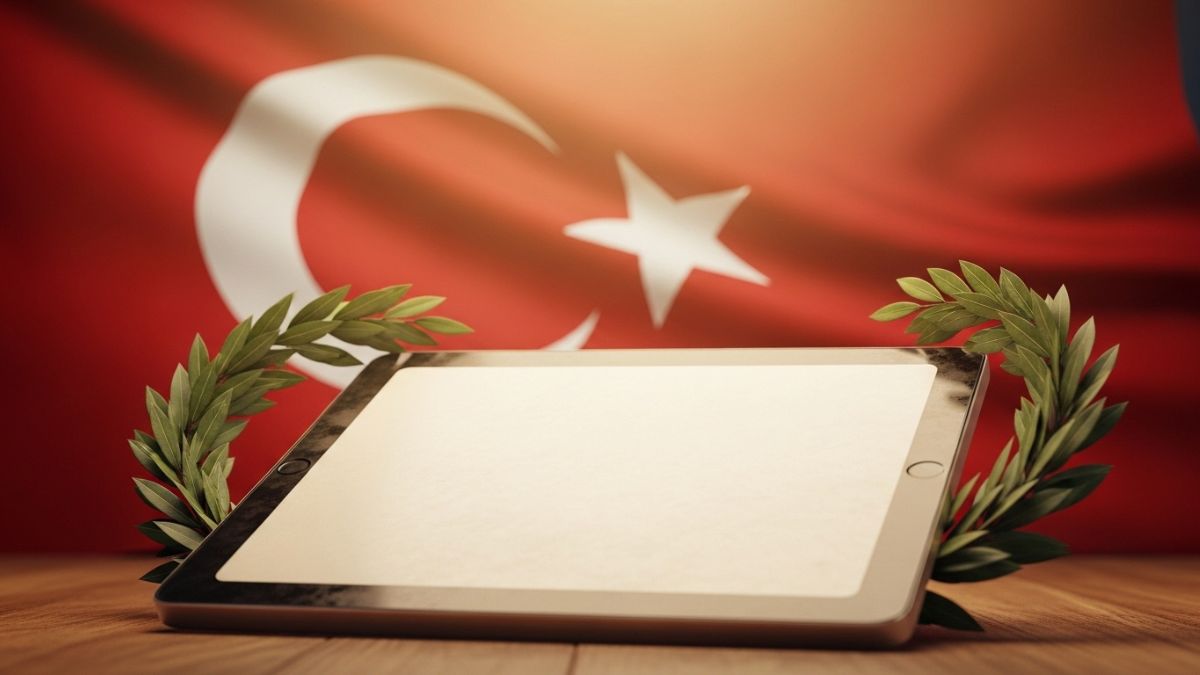
Cumhuriyet (Republic): Meaning, History, Principles, and Modern Importance

Published

on

Cumhuriyet (Republic): Meaning, History, Principles, and Modern Importance

Introduction

The word Cumhuriyet (commonly translated as Republic) comes from the Arabic root “jumhur,” meaning the public or the people. A republic is a form of government in which power belongs to citizens, and leaders are chosen directly or indirectly through elections. Unlike monarchies, where authority is inherited, a republic is built on the idea of popular sovereignty—the people are the true source of power.

The concept of Cumhuriyet is most famously associated with Turkey, where the Republic of Turkey was established on 29 October 1923 under the leadership of Mustafa Kemal Atatürk. However, republics exist all over the world and represent one of the most influential political systems in modern history.

What Is a Cumhuriyet?

A Cumhuriyet (Republic) is a political system where:

  • The head of state is elected (not born into power)
  • Laws are made by representatives of the people
  • Citizens have fundamental rights and freedoms
  • Government authority comes from the constitution

In simple terms, a republic puts people first, not kings or emperors.

Key Principles of Cumhuriyet

Most republics are based on several core principles:

1. Popular Sovereignty

All power belongs to the people. Citizens choose their leaders through voting.

2. Rule of Law

Everyone is equal before the law, including government officials.

3. Secular Governance

In many republics (such as Turkey), religion is separated from state affairs to ensure fairness for all citizens.

4. Democracy

People participate in decision-making through elections and representative institutions.

5. Equality

All citizens have equal rights regardless of gender, ethnicity, or background.


Historical Background of Cumhuriyet

The idea of republican government dates back to ancient Rome, where citizens elected representatives instead of accepting royal rule.

In the modern era, republics gained popularity after major revolutions, such as:

  • The American Revolution (1776)
  • The French Revolution (1789)

The Turkish Cumhuriyet

After World War I and the collapse of the Ottoman Empire, Mustafa Kemal Atatürk led a national movement that resulted in the founding of the Republic of Turkey in 1923.

Major reforms followed:

  • Abolition of the Sultanate
  • Introduction of civil law
  • Expansion of education
  • Women’s rights, including voting
  • Adoption of the Latin alphabet

These reforms aimed to build a modern, secular, and democratic society.

Why Cumhuriyet Matters Today

The republic system remains vital in today’s world because it:

  • Protects individual freedoms
  • Encourages accountability in leadership
  • Promotes civic participation
  • Supports social progress
  • Provides peaceful transitions of power

In a republic, leaders can be replaced through elections rather than violence, making it one of the most stable governance models.

Cumhuriyet vs Monarchy (Simple Comparison)

FeatureCumhuriyet (Republic)Monarchy
Head of StateElectedInherited
Power SourcePeopleRoyal family
Citizen RightsGuaranteed by constitutionLimited or variable
Leadership ChangeElectionsBirth or succession

Modern Examples of Republics

Today, many countries follow a republican system, including:

  • Turkey
  • United States
  • France
  • Germany
  • Pakistan
  • India

Each republic operates differently, but all share the basic idea that authority comes from citizens.

FAQs About Cumhuriyet

Q1: What does Cumhuriyet mean?

Cumhuriyet means Republic, a system of government where power belongs to the people and leaders are elected.

Q2: Who founded the Turkish Cumhuriyet?

The Republic of Turkey was founded by Mustafa Kemal Atatürk in 1923.

Q3: Is every republic democratic?

Not always. While most republics aim to be democratic, true democracy depends on free elections, rule of law, and protection of rights.

Q4: Why is Cumhuriyet important?

It ensures equality, freedom, and participation of citizens in governance while preventing absolute rule by one person or family.

Q5: What is Republic Day in Turkey?

Turkey celebrates Cumhuriyet Day on 29 October every year to mark the founding of the republic.

Simple Calculation Example (Understanding Republic Age)

Let’s calculate how old the Turkish Republic is in 2026:

Founded: 1923
Current Year: 2026

Calculation:

2026 − 1923 = 103 years

👉 The Turkish Cumhuriyet is 103 years old in 2026.

This type of calculation is often used in history lessons to understand timelines and national milestones.

Conclusion

Cumhuriyet represents far more than just a political system—it symbolizes freedom, equality, and people’s power. From its ancient roots to modern democratic states, the republic model has shaped societies by placing citizens at the center of governance.

Whether in Turkey or elsewhere, Cumhuriyet continues to inspire progress, protect rights, and promote unity. It reminds us that a nation’s strength lies not in rulers, but in its people.

Continue Reading
Click to comment

Leave a Reply

Your email address will not be published. Required fields are marked *

News

The Psychological Impact Of A Serious Car Accident

Published

on

Table of Contents

  • Immediate Psychological Responses
  • Common Long-Term Psychological Effects
  • Post-Traumatic Stress Disorder (PTSD)
  • Impact on Daily Life and Relationships
  • Coping Strategies and Support
  • Seeking Professional Help
  • Conclusion

In the moments following a serious car accident, individuals often focus on physical injuries, vehicle damage, and the logistics of recovery. However, the psychological effects can be just as profound, often lingering long after wounds have healed. Emotional and mental stress after such incidents is common, affecting victims’ ability to work, socialize, and feel safe on the road. If you or someone you know is struggling with the aftermath of a major crash, seeking car accident legal representation in Houston can help alleviate some of the burden, ensuring access to appropriate medical and psychological support.

The invisible scars from a traumatic collision are sometimes harder to identify than physical injuries. Survivors might develop a constant sense of fear and anxiety when driving, or even when riding as passengers. These feelings are valid and common; acknowledging them is the first step to meaningful recovery. Long-term psychological issues from a car accident can impact relationships, self-esteem, and an individual’s ability to engage in everyday activities. Recovery from these issues requires a thoughtful, multi-faceted approach that addresses both the emotional and practical challenges victims face. Many people find it difficult to discuss mental health struggles after a crash, but opening up to family, friends, or professionals is crucial. Understanding and addressing the full spectrum of psychological effects is essential for comprehensive healing.

Immediate Psychological Responses

Following a serious car accident, it is common for individuals to experience shock, confusion, and disbelief. Adrenaline may mask pain and heighten emotional responses, leading to feelings of numbness, panic, or irritability. These immediate symptoms are the mind’s way of processing trauma, but their intensity and duration can vary widely from person to person.

Common Long-Term Psychological Effects

Long after the incident, accident survivors may face persistent psychological effects. Anxiety and depression are frequent responses, especially if the accident involved severe injury or fatality. Many individuals struggle with insomnia, nightmares, or flashbacks. Fear of driving or even of seeing certain locations associated with the accident can lead to avoidance behaviors and disruptions to everyday routines. The Centers for Disease Control and Prevention (CDC) highlights that individuals involved in motor vehicle accidents are at an increased risk of developing anxiety disorders in the months and years after the crash. Ongoing psychological distress can interfere with job performance, academic pursuits, and social interactions. For more information, the CDC’s resource on post-traumatic stress disorder in children is a valuable reference.

Post-Traumatic Stress Disorder (PTSD)

Post-Traumatic Stress Disorder is one of the most serious psychological conditions associated with car accidents. Symptoms include intrusive memories, severe anxiety, avoidance of reminders, and hypervigilance. Unlike short-term stress reactions, PTSD symptoms persist for months or even years, affecting overall wellbeing and quality of life. It is estimated that nearly nine percent of people involved in a serious road accident develop symptoms consistent with PTSD, according to the American Psychological Association’s analysis on causes of PTSD.

Impact on Daily Life and Relationships

The psychological impact of a major accident extends to relationships with family, friends, and colleagues. Victims may become withdrawn, irritable, or overly dependent on loved ones. Communication breakdowns and misunderstandings are common, as others may not fully grasp the depth of the emotional turmoil. Marital strain and difficulties in parenting can also develop if the situation remains unaddressed. Moreover, significant mood swings and difficulty concentrating make it challenging for survivors to return to work or school, compounding stress and frustration.

Coping Strategies and Support

Practical coping strategies involve both self-care and external support. Establishing a routine, practicing mindfulness, and gradually reintroducing driving or travel can help restore a sense of control. Support groups, whether in-person or online, provide a platform for individuals to share experiences and learn from others facing similar challenges. Connecting with people who understand firsthand the psychological aftermath of car accidents is often a crucial step in overcoming isolation.

Seeking Professional Help

If symptoms of psychological distress persist, seeking help from a qualified mental health professional is essential. Therapists specializing in trauma can offer evidence-based interventions like cognitive-behavioral therapy (CBT) and eye movement desensitization and reprocessing (EMDR), both proven effective for trauma-related conditions. Early intervention helps prevent psychological injuries from worsening over time. Many car accident survivors find that a combination of therapy, community resources, and social support is the best path to recovery.

Conclusion

A serious car accident does not just leave behind physical injuries; it creates deep psychological wounds that can affect every aspect of a person’s life. Recognizing the signs of emotional trauma, reaching out for support, and seeking professional care when needed are all critical for long-term wellbeing. Recovery is possible with understanding, patience, and the right resources. Whether you are a survivor, a loved one, or a concerned friend, prioritizing psychological health is key to moving forward after a major crash.

Continue Reading

News

Shani Levni: Exploring the Meaning, Origins, and Modern Relevance

Published

on

Shani Levni

Introduction

Shani Levni is a unique and intriguing term that has attracted attention due to its distinctive sound and cultural appeal. While the exact origins and meaning of Shani Levni may vary depending on the context in which it is used, the name carries an air of mystery and sophistication. In today’s interconnected world, uncommon names and phrases often become symbols of identity, creativity, and cultural expression.

This article explores the possible meanings, origins, significance, and modern relevance of Shani Levni.

Understanding the Name Shani Levni

The term “Shani Levni” appears to combine two separate elements:

  • Shani – A name found in various cultures and languages. In some traditions, Shani is associated with strength, discipline, and determination.
  • Levni – A less common word or surname that may have regional, linguistic, or family-based origins.

Together, these elements create a distinctive identity that stands out in both personal and professional settings.

Possible Origins

The exact origin of Shani Levni is not widely documented, but several possibilities exist:

Cultural Origins

Many names evolve through cultural exchange, migration, and linguistic adaptation. Shani Levni may have roots in Middle Eastern, European, or South Asian naming traditions.

Family Heritage

In some cases, unique names become associated with particular families or communities, preserving heritage across generations.

Modern Creation

It is also possible that Shani Levni is a modern name combination created to reflect individuality and uniqueness.

Significance of Unique Names

Names like Shani Levni hold value beyond simple identification. They can:

  • Reflect cultural heritage
  • Create a memorable personal brand
  • Represent family history
  • Inspire curiosity and conversation
  • Help individuals stand out in professional environments

As society becomes increasingly globalized, distinctive names often gain recognition and appreciation.

Shani Levni in the Digital Age

The internet has transformed the way names gain visibility. A unique name such as Shani Levni can be advantageous because:

Personal Branding

Individuals with uncommon names often find it easier to establish a recognizable online presence.

Professional Recognition

Distinctive names can help professionals build a memorable reputation in business, education, and creative industries.

Social Media Identity

Unique names are often easier to use across social media platforms, reducing confusion with others who share similar names.

Why People Are Interested in Shani Levni

Interest in names like Shani Levni may arise for several reasons:

  • Genealogical research
  • Cultural studies
  • Personal identity exploration
  • Online searches and social media profiles
  • Branding and creative projects

The rarity of the name often encourages people to learn more about its background and significance.

Future Relevance

As digital communication continues to expand, unique names will likely become even more valuable. Shani Levni represents the growing trend toward individuality while maintaining connections to cultural and personal heritage.

Whether used as a personal name, family name, or creative identity, Shani Levni has the potential to leave a lasting impression.

Conclusion

Shani Levni is a distinctive and memorable name that carries an element of mystery and cultural richness. Although its precise origins may not be universally documented, its uniqueness contributes to its appeal. In an era where personal identity and branding are increasingly important, names like Shani Levni stand out for their originality, character, and lasting impact.

Frequently Asked Questions (FAQs)

What does Shani Levni mean?

The exact meaning is not widely documented, but the name may combine cultural, linguistic, or family-based elements.

Is Shani Levni a common name?

No, it appears to be relatively uncommon, which contributes to its uniqueness.

Why are people searching for Shani Levni?

People may be interested in its origins, cultural significance, genealogy, or online presence.

Can Shani Levni be used as a brand name?

Yes, its distinctiveness makes it suitable for personal branding, creative projects, and business identities.

What makes unique names valuable today?

Unique names help individuals establish memorable identities both online and offline.

Continue Reading

News

10 Surprising Facts About Nimedes That Change Your Perspective

Published

on

10 Surprising Facts About Nimedes That Change Your Perspective

Depending on who you ask, the word “Nimedes” evokes images of ancient ruins, mathematical genius, or even a pharmacy prescription. While many believe it refers to a single lost civilization, the reality is far more fractured—and far more fascinating.

Here are ten surprising facts that completely change how you should look at Nimedes.

1. It Exists in Three Completely Different Realities

The most shocking truth is that “Nimedes” isn’t one thing. The name simultaneously refers to a potential ancient civilization, a Greek mathematician, and a modern painkiller. Depending on the context, you could be discussing mythology, geometry, or muscle inflammation. This convergence of history, science, and medicine makes “Nimedes” a unique linguistic anomaly.

2. The “Ancient City” Might Be a Modern Echo

Travel blogs and cultural sites often describe “Nimedes” as a hidden gem with ancient ruins and vibrant markets. However, archaeological records don’t cite a major city by this exact name. Historians suggest that what people call “Nimedes” today may actually be a linguistic distortion of Nicomedia—a real, massive ancient capital founded by King Nicomedes I of Bithynia around 264 BC. That city was a thriving hub for over six centuries.

3. The Mathematician Was a True “Mad Genius”

If you are looking for a historical figure, you are likely looking for Nicomedes (c. 280–210 BC). He wasn’t a king or a warrior; he was a geometer obsessed with impossible problems. He created the “Conchoid of Nicomedes,” a curve specifically designed to solve the ancient puzzles of doubling the cube and trisecting the angle—problems we now know are impossible using standard tools.

4. He Hated “Cheating” at Math

Nicomedes was a purist. While other mathematicians used mechanical devices to solve equations, he famously criticized Eratosthenes’ methods as “impractical and entirely outside the spirit of geometry.” He was so proud of his own purely geometric solutions that ancient texts say he “prided himself inordinately” on his discoveries. He was the ancient equivalent of a coder who refuses to use pre-built libraries.

5. The Spartan General You’ve Never Heard Of

Before the mathematician, there was a warrior. Nicomedes of Sparta (fl. 460–457 BC) was a royal regent who commanded 11,500 hoplites during the First Peloponnesian War. He led the Spartans to victory at the Battle of Tanagra in 457 BC. Unlike the philosopher, this Nicomedes dealt in blood and iron, proving the name has deep roots in military history.

6. There is a “Pain Relief” Connection

In a bizarre twist into the modern era, “Nimeds” is the name of a prescription tablet (Nimesulide + Paracetamol) used for fever and pain. It is a specific chemical blocker, stopping the messengers in your brain that cause inflammation. If you are searching for ancient mysteries and find a medical leaflet warning about liver enzymes, you aren’t in the wrong place—you are just looking at the 21st-century version of the name.

7. The “Tourist” Nimedes is a Mystery

If you read about visiting the “bustling markets” or “Lake Seraphine” in Nimedes, be cautious. There is no verified geographic location matching the travel guides currently circulating online. Writers seem to have amalgamated real Anatolian (Turkish) cultural traits into a fictional “Nimedes” destination. It is likely a ghost name used for generic travel content, though it accurately reflects the culture of the real Bithynia region.

8. The Name Was a Royal Brand

When King Nicomedes I founded his capital, he did what all conquerors do: he named it after himself. Nicomedia (modern Izmit, Turkey) became one of the richest cities in Anatolia. So, when you hear “Nimedes,” you are hearing the ghost of a royal ego that literally reshaped the map of the ancient world.

9. From Real Temples to Virtual Reality

While the fictional “Nimedes” of travel blogs lacks ruins, the real Nicomedia does not. Archaeologists have found evidence of fortified walls, aqueducts, and ceremonial temples in the region. Today, modern researchers use 3D modeling and satellite imagery to reconstruct these sites, bridging the gap between the myth of a “lost city” and the reality of a buried Roman capital.

10. It Proves the Power of Misinformation

Ultimately, the story of Nimedes is a lesson in perspective. The “Ancient Civilization” narrative is likely a mixture of real findings from Nicomedia and creative storytelling. The fact that a Spartan general, a Greek mathematician, a Roman city, and a headache tablet can all claim the same name shows how easily history gets blurred.

Conclusion

Whether you are looking for a mathematical curve, a Spartan victory, or a scenic vacation, “Nimedes” has something for you—just not always the truth. The reality of Nicomedes the mathematician and Nicomedia the city is far more impressive than the fictional travel brochures. So, the next time you hear the name, ask: Are we solving angles, fighting wars, or just trying to cure a headache?

Continue Reading

Trending

Copyright © 2017 Zox News Theme. Theme by MVP Themes, powered by WordPress.