Connect with us

News

From Raw Plant to Psychoactive Experience: The Journey of THCA to THC

Published

on

From Raw Plant to Psychoactive Experience: The Journey of THCA to THC

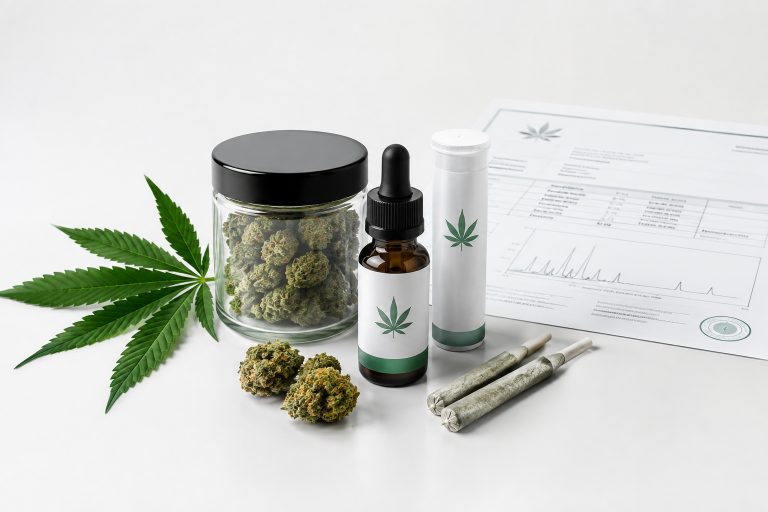
Cannabis has taken the world by storm, but there’s more to it than just THC. Enter THCA—a lesser-known compound that holds its own unique properties. If you’ve ever wondered about the transformation from raw plant to psychoactive experience, you’re in for a fascinating ride. Cannabis is not just a recreational substance; it offers a complex spectrum of effects and benefits.

As we delve into THCA and THC, we’ll uncover how these two compounds interact with our bodies and minds. Whether you’re a seasoned cannabis user or simply curious about its chemical makeup, understanding THCA versus THC can elevate your knowledge—and maybe even your next experience. Let’s untangle this web of cannabinoids and see how they shape what we feel when consuming cannabis!

Outline

The journey from raw plant to psychoactive experience is captivating. Understanding THCA and THC sets the stage for exploring cannabis more deeply. While both compounds originate from the same source, their differences create distinct experiences that are worth examining.

THCA, or tetrahydrocannabinolic acid, is a non-psychoactive precursor to THC. It exists in fresh cannabis plants and offers its own unique benefits before it undergoes transformation through decarboxylation. This process activates its psychoactive properties, turning THCA into THC—the compound most commonly associated with the “high.”

Legal status varies significantly between these two cannabinoids. Knowing what’s allowed can guide your choices about consumption and help you navigate any potential risks involved in using either compound.

In this exploration, we’ll also touch on how different methods of consumption affect their efficacy and overall experience. The world of cannabinoids extends beyond just one or two compounds; there’s plenty to discover as we dive deeper into this fascinating topic!

1. Introduction to THCA and THC

Cannabis is a fascinating plant with a complex chemistry that includes numerous cannabinoids. Among these, THCA (tetrahydrocannabinolic acid) and THC (tetrahydrocannabinol) are two of the most well-known compounds. Both play pivotal roles in understanding the effects cannabis has on our bodies.

THCA is the non-psychoactive precursor to THC. It’s found in raw cannabis plants and contributes to many of their benefits without inducing any high. As more people discover THCA, its potential therapeutic properties have gained attention for various health conditions.

On the other hand, THC is famed for its psychoactive effects, responsible for the “high” commonly associated with marijuana use. This compound interacts with cannabinoid receptors in our brains, creating sensations of euphoria or relaxation depending on dosage and strain.

Understanding both THCA and THC can enrich your knowledge about cannabis’ vast landscape. It unlocks insights into how these compounds work within us and what experiences they offer when consumed in different forms.

2. THCA vs. THC: Understanding the Key Differences

THCA and THC are both cannabinoids found in cannabis, but they serve different purposes and have distinct effects. THCA, or tetrahydrocannabinolic acid, is the non-psychoactive precursor to THC. It exists primarily in raw cannabis plants. When you consume fresh cannabis without heating it, you’re getting THCA rather than THC.

In contrast, THC—tetrahydrocannabinol—is renowned for its psychoactive properties. It’s what most people associate with the “high” from marijuana use. This transformation occurs when heat is applied to THCA through a process called decarboxylation.

The molecular structures of these two compounds are also slightly different. The additional carboxylic acid group in THCA makes it inactive until it’s converted into THC via heat or aging processes like curing or drying.

Understanding these differences can help users make informed decisions about their consumption methods and desired effects while navigating the vast landscape of cannabinoids available today.

3. Legal Status of THCA and THC

The legal status of THCA and THC varies significantly across different regions. In many places, THC is classified as a controlled substance due to its psychoactive effects. This has led to strict regulations surrounding its sale and consumption. As a result, users often find themselves navigating complex laws that can change rapidly.

THCA, on the other hand, occupies a gray area in the legal landscape. Because it is non-psychoactive when raw or unheated, some jurisdictions have not imposed the same restrictions on THCA as they have on THC. This distinction often allows for more lenient access to products high in this cannabinoid.

However, while THCA might be seen as less controversial legally, it’s essential to understand local laws before purchasing or using any cannabis-related product. Some states may still classify all forms of cannabis under similar regulations regardless of their psychoactive properties.

As attitudes toward cannabis continue to evolve globally, so too does legislation regarding these compounds. Staying informed about current laws ensures responsible use and compliance with applicable regulations.

4. Potential Benefits and Risks of THCA

THCA, or tetrahydrocannabinolic acid, is gaining attention for its potential therapeutic benefits. Many users report that THCA offers anti-inflammatory properties, which could be helpful for conditions like arthritis and chronic pain. Some studies suggest it may even possess neuroprotective qualities, potentially benefiting those with neurological disorders.

However, the research on THCA is still in its early stages. While anecdotal evidence supports its use for certain ailments, more scientific validation is needed to fully understand its effects. Users should approach THCA cautiously and consult healthcare professionals before incorporating it into their wellness routines.

Another consideration is the lack of psychoactive effects associated with THCA when consumed raw. This can be a double-edged sword; while some prefer this non-intoxicating experience, others seek the euphoric sensations linked to THC from decarboxylation.

As interest in cannabis compounds grows, it’s crucial to stay informed about both the promising benefits and possible risks that come with using THCA products. Understanding these factors will help individuals make educated choices regarding their health and well-being.

5. Consumption Methods and Effects

When it comes to the consumption of THCA and THC, methods vary widely. Each method can produce different effects based on how cannabinoids are absorbed into the body. Smoking or vaping is one of the most popular options for immediate results. Users often experience quick onset effects that can be both euphoric and relaxing.

Edibles offer another unique approach by allowing cannabinoids to enter your system through digestion. This method usually leads to a delayed but intense psychoactive experience as THC transforms during metabolism in the liver. Many find edibles appealing for their convenience and variety of flavors.

Tinctures provide an alternative with precise dosing capabilities. By placing drops under the tongue, users can absorb cannabinoids directly into their bloodstream, offering quicker relief than traditional edibles while avoiding combustion-related toxins.

Topicals represent yet another way to enjoy cannabis benefits without psychoactivity. These products deliver localized relief from pain or inflammation without entering systemic circulation, making them ideal for therapeutic purposes without any high sensations.

6. Decarboxylation: Transforming THCA into THC

Decarboxylation is the process that transforms THCA into THC, unlocking its psychoactive properties. This transformation occurs when cannabis is exposed to heat. During decarboxylation, a carboxyl group is removed from THCA, converting it into delta-9 THC.

This reaction typically happens during smoking or vaporizing, but cooking with cannabis can also initiate this change. For example, when you bake edibles at a certain temperature for a specific duration, you’re effectively activating the compounds in your plant material.

Temperature plays a crucial role in successful decarboxylation. Generally, heating cannabis between 220°F and 250°F for about 30-45 minutes will yield optimal results without degrading other cannabinoids and terpenes.

Understanding this process empowers users to control their experience more precisely. By using raw cannabis products like fresh leaves or tinctures high in THCA and applying heat accordingly, enthusiasts can choose their desired effects with accuracy while enjoying both forms of the cannabinoid spectrum.

7. Psychoactive Properties of THC

THC, or tetrahydrocannabinol, is the primary psychoactive compound found in cannabis. When consumed, it interacts with the endocannabinoid system, specifically binding to CB1 receptors in the brain. This interaction can lead to a myriad of effects that many users seek out.

People often report feelings of euphoria and relaxation after consuming THC. These pleasurable sensations are accompanied by changes in perception and heightened sensory experiences. Colors may seem more vibrant, sounds richer, and time might feel altered—these are all hallmarks of THC’s psychoactive properties.

However, not everyone reacts the same way to THC. While some might enjoy its stimulating qualities, others may experience anxiety or paranoia—a side effect linked to higher doses or individual sensitivities. Understanding personal limits is crucial for those exploring its effects.

Additionally, these psychoactive properties have made THC popular for various applications beyond recreation; they’re also explored within medical contexts for pain relief and appetite stimulation among other therapeutic uses.

8. Exploring Other Cannabinoids: THCA vs. Delta-9, Delta-8, CBN, and HHC

The world of cannabinoids is vast and intricate, extending far beyond just THCA and THC. Delta-9 THC is perhaps the most well-known psychoactive compound found in cannabis, responsible for the classic high many users seek. Its effects can range from euphoria to increased appetite but may also bring about anxiety in some individuals.

Delta-8, a close relative of Delta-9, has gained popularity for its milder psychoactive effects. Many users describe it as providing a more relaxed experience without the paranoia sometimes associated with Delta-9. This makes Delta-8 an appealing option for those looking to enjoy cannabis without overwhelming sensations.

Cannabinol (CBN) stands apart by being non-intoxicating and often touted for its potential sedative properties. Users frequently turn to CBN when seeking relief from insomnia or stress, showcasing how diverse cannabinoid experiences can be.

Hexahydrocannabinol (HHC), another emerging player, offers unique characteristics that are still under research. Early reports hint at similar effects to THC but with subtle distinctions that make HHC intriguing among enthusiasts exploring new avenues within cannabis culture.

9. Safety Guidelines for Using THC Substances

Using THC substances responsibly is essential for a safe experience. Start with low doses, especially if you’re new to cannabis. This approach allows you to gauge your body’s reaction without overwhelming effects.

Always be mindful of your environment. Consuming THC in a comfortable and familiar setting can minimize anxiety or discomfort. Avoid situations where you might need full cognitive function, like driving or operating machinery, as THC can impair judgment and motor skills.

Stay hydrated before and during consumption. Water helps combat dry mouth—a common side effect—and promotes overall well-being while using cannabinoids. Keep healthy snacks nearby too; munchies are real!

Know the legal implications in your area regarding THC use. Laws vary widely across regions, so it’s crucial to stay informed about what’s permissible where you live. Being educated ensures that your experience remains enjoyable and within legal boundaries.

10. Common Questions and FAQs about THCA and THC

As interest in cannabis compounds grows, many people seek clarity about THCA and THC. Here are some common questions that often arise.

What is the main difference between THCA and THC? The key distinction lies in their chemical structure. THCA is non-psychoactive, while THC produces the euphoric effects associated with marijuana use.

Is THCA legal? The legal status of THCA varies by region, but it generally falls under similar regulations as raw cannabis plants. Conversely, THC’s legality hinges on whether it comes from hemp or marijuana strains.

Can you get high from consuming raw cannabis? No, consuming raw cannabis high in THCA won’t produce a psychoactive experience; decarboxylation is essential for that transformation.

Are there any health benefits to using THCA? Preliminary research suggests potential anti-inflammatory and neuroprotective properties of THCA. However, more studies are needed to fully understand its benefits.

How can I safely consume products containing THC? Always start with a low dose if you’re new to these substances. Consider your tolerance levels and consult healthcare professionals when necessary.

These insights aim to demystify the fascinating journey from plant material to psychoactive experiences offered by cannabinoids like THCA and THC. As our understanding evolves, staying informed will help users make educated choices regarding their consumption.


Continue Reading
Click to comment

Leave a Reply

Your email address will not be published. Required fields are marked *

News

The Dawn of the space force orbital warship carrier

Published

on

space force orbital warship carrier

For decades, the concept of a massive warship patrolling the stars was relegated to the realm of science fiction, from Star Wars’ Star Destroyers to the battle stations of Battlestar Galactica. However, in 2026, fiction is rapidly becoming reality. The U.S. Space Force (USSF) is moving beyond traditional ground-based launches to develop the Orbital Carrier—a platform often described as the world’s first “orbital aircraft carrier”.

This article explores the technology, strategic purpose, and future of the Space Force’s most ambitious project to date.

What is an Orbital Carrier?

Unlike its naval counterpart, the orbital carrier is not a gargantuan ship teeming with thousands of sailors. Instead, it is a high-tech “mother ship” spacecraft designed to stay in orbit for extended periods, housing multiple maneuverable space vehicles.

Think of it as a pre-positioned launch pad in space. Rather than waiting days or weeks for a rocket to launch from Earth, the Space Force can “scramble” assets already in orbit to address emerging threats instantly.

  • Developer: Gravitics Inc., a Seattle-based space infrastructure firm.
  • Funding: Backed by a $60 million STRATFI contract from SpaceWERX, the innovation arm of the Space Force.
  • First Flight: A demonstration mission is currently targeted for as early as 2026.

Technical Specifications: The “Garage” in the Sky

The orbital carrier is built using a modified version of commercial space station modules. Its design focuses on protecting sensitive hardware while providing a rapid-release mechanism.

  • Size & Volume: Future operational versions are expected to feature approximately 60 cubic meters of internal volume.
  • Payload Capacity: The vehicle is designed to hold between 5,000 and 10,000 kg (approx. 22,000 lbs) of cargo.
  • The “Hangar” Design: Concept designs show a cylindrical module enveloped in solar panels that can open in orbit to release smaller “interceptor” or “reconnaissance” craft.
  • Environmental Protection: It provides an unpressurized environment that shields satellites from harsh thermal cycles, radiation, and even electronic warfare or laser blinding.

Strategic Doctrine: Why “Tactically Responsive Space” Matters

The primary driver behind this project is a shift in U.S. military doctrine toward Tactically Responsive Space (TacRS). Historically, if an adversary like China or Russia disabled a U.S. satellite, it would take months to build and launch a replacement. The orbital carrier changes the timeline from months to hours.

1. Combatting On-Orbit Threats

Adversaries are increasingly testing anti-satellite (ASAT) weapons, jammers, and maneuverable “stalker” satellites. The carrier allows the USSF to:

  • Instantly Replace: Deploy a fresh satellite if one is jammed or destroyed.
  • Counter-Maneuver: Launch “interceptor” craft to block or neutralize hostile vehicles.
  • Concealment: By keeping assets inside the carrier, the U.S. can hide the exact number and type of satellites it has ready, giving it a “tactical surprise” advantage.

2. Bypassing Ground Constraints

Weather delays, range availability, and vulnerable launch pads are the biggest bottlenecks for space defense. The orbital carrier bypasses these entirely, allowing for a deployment “at the time and place of our choosing”.


Future Outlook: From Satellites to Missile Intercepts

While the initial focus for the 2026 demonstration is space-to-space operations (deploying other satellites), the long-term vision is even broader.

  • Missile Defense: Future versions may carry sensors or interceptors capable of tracking and destroying hypersonic missiles from orbit.
  • Global Logistics: The USSF is exploring “Rocket Cargo” concepts, where the carrier could deploy pods containing emergency supplies or medical gear to any point on Earth in under an hour.
  • International Tensions: As space becomes a contested “warfighting domain,” these carriers will likely be at the center of debates regarding the militarization of space and the Outer Space Treaty.

Conclusion

The 2026 launch of the Space Force’s orbital carrier marks a pivotal moment in human history. It signifies the transition of space from a sanctuary of research to a domain of active, mobile defense. For blog readers and space enthusiasts alike, this isn’t just a new satellite—it’s the first step toward a true orbital fleet.

How do you think the international community will react to the first operational “space warship”? Are we entering a new Cold War in orbit?

Continue Reading

News

Precision Under Pressure: The delta connection dl3543 emergency landing

Published

on

delta connection dl3543 emergency landing

Aviation is often described as hours of boredom punctuated by moments of sheer terror. For the passengers on Delta Connection flight DL3543 on July 7, 2025, that terror became a reality shortly after takeoff. What was scheduled as a routine one-hour “puddle jumper” from Minneapolis to Chicago transformed into a high-stakes emergency return, serving as a stark reminder of the rigorous safety protocols that govern modern air travel.

1. The Incident: Ten Minutes to Crisis

Flight DL3543, operated by an Embraer 175 (registration N259SY) under the Delta Connection brand by Endeavor Air, departed Minneapolis-St. Paul International Airport (MSP) bound for Chicago Midway (MDW).

The flight took off under normal conditions, but the situation deteriorated rapidly. Just 10 minutes into the climb, as the aircraft reached approximately 21,000 feet, the crew identified a critical mechanical issue. Pilots immediately leveled off the aircraft and “squawked 7700″—the universal transponder code for an in-flight emergency—requesting priority handling for an immediate return to Minneapolis.

2. Technical Breakdown: The Altitude Anomaly

While the official investigation is ongoing, initial reports from passengers and flight tracking data suggest a harrowing technical failure.

  • Uncontrolled Climb: Some passengers reported a “power interruption” before takeoff, followed by an alarming announcement once in the air. One passenger recalled the pilot shouting for an “Emergency Descent” and later explaining that once they hit 18,000 feet, the aircraft’s altitude “kept increasing” uncontrollably.
  • The Descent: Flight data confirmed the aircraft stopped its climb abruptly and performed a rapid descent back toward the airfield.
  • Safe Recovery: Despite the frantic nature of the cockpit alerts, the pilots maintained control, landing the aircraft safely on runway 12R just 37 minutes after its initial departure.

3. The Human Element: “It Got Eerily Quiet”

The psychological impact on passengers during such an event cannot be overstated. Descriptions of the cabin during the emergency descent depicted a scene of “power interruptions” and an “eerily quiet” atmosphere as the aircraft’s systems struggled.

Unlike many recent high-profile incidents, there were no reported injuries on DL3543. The flight crew was widely praised for their adherence to training, a sentiment echoed by Delta in their official apology to the affected travelers.

4. Broader Context: A Season of Scrutiny

The DL3543 emergency occurred amidst a cluster of significant aviation incidents in mid-2025 that have placed Delta and the wider industry under intense scrutiny:

DateFlightIssueResult
July 7, 2025DL3543Mechanical FailureEmergency landing at MSP; 0 injuries.
July 7, 2025DL1334Lithium Battery FireDiverted to Fort Myers after a backpack caught fire.
July 30, 2025DL56Severe Turbulence25 hospitalized after a 1,000ft mid-air plunge.

These “close calls” have prompted statements from government officials, including Transportation Secretary Sean Duffy, who maintained that despite the uptick in visual incidents, aviation remains the “safest mode of transportation” in the country.

5. Conclusion: Lessons from the Flight Deck

The successful landing of DL3543 is a testament to pilot training and aircraft redundancy. Modern regional jets like the Embraer 175 are designed to withstand significant subsystem failures, provided the crew acts decisively.

For passengers, the incident serves as a reminder of the “Safety First” culture. While a 37-minute flight that ends where it started is a major inconvenience, the alternative—pushing a compromised aircraft to its destination—is a risk the industry is no longer willing to take.


Continue Reading

News

Why Regular Vehicle Emissions Testing Matters for Drivers

Published

on

Vehicle Emissions Testing

Key Takeaways

  • Regular emissions testing helps identify and address vehicle issues that can affect performance and fuel efficiency.
  • Compliance with emissions standards is mandatory in many regions to reduce air pollution and protect public health.
  • Advancements in testing methods, such as self-service kiosks, have made the process more convenient for drivers.

Regular vehicle emissions testing is not just a regulatory requirement. It is an essential part of maintaining your vehicle’s health, optimizing performance, and protecting the air we breathe. In many areas, regular testing is the driver’s first line of defense against costly repairs and unforeseen breakdowns. If you’re seeking reliable emission service North Vancouver, understanding the broader benefits of emissions testing can demonstrate why this routine practice is so vital.

The emissions testing process checks for harmful pollutants our vehicle may emit. Even if your car seems to run fine, hidden faults in the exhaust system or engine sensors can go unnoticed until they become larger problems. For communities large and small, including metropolitan areas such as North Vancouver, participating in consistent emissions testing programs is a proactive way to help safeguard the environment.

Enhancing Vehicle Performance

Regular emissions testing acts as an ongoing health check for your vehicle. These tests routinely detect failing components, such as malfunctioning oxygen sensors and clogged catalytic converters. Vehicles that pass emissions testing tend to experience increased fuel economy, smoother starts, and more reliable power delivery. Early detection of these issues means your vehicle will likely last longer and provide fewer unpleasant surprises on the road.

According to Consumer Reports, identifying and resolving foundational exhaust problems through emissions testing increases overall vehicle efficiency and can help you avoid costly repairs in the long run.

Ensuring Regulatory Compliance

Most regions impose emissions standards that vehicles must meet to stay legally on the road. For example, in Texas, emissions tests remain compulsory in several metropolitan counties despite changes to broader safety inspection requirements. Vehicle owners who ignore these rules risk fines or being denied vehicle registration renewals. Keeping your car compliant with emissions standards is not only a matter of legality, but it also demonstrates social responsibility by helping reduce pollution.

Contributing to Environmental Health

Motor vehicles are a significant source of pollutants like nitrogen oxides, carbon monoxide, and volatile organic compounds. These emissions contribute to smog, acid rain, and respiratory issues in humans. Emissions testing programs play a critical role in reducing these harmful pollutants. According to the U.S. Environmental Protection Agency, reducing auto emissions is central to improving air quality and advancing public health goals.

Whether you live in a major city or a smaller community, participating in regular vehicle emissions testing helps ensure everyone enjoys cleaner air and a healthier environment.

Advancements in Emissions Testing

Recent technological changes have transformed emissions testing. In areas such as Colorado, drivers can now access self-service kiosks that operate around the clock. These 24/7 self-service machines have reduced wait times and increased accessibility for drivers with busy schedules. By integrating electronic record-keeping and faster diagnostic tools, emissions testing today is far more user-friendly and less time-consuming than in decades past.

Economic Benefits of Regular Testing

A significant advantage of consistent emissions testing is early detection of issues. Regular vehicle inspections help you identify minor problems before they become costly repairs. Well-maintained vehicles also consume less fuel, helping drivers save money at the gas pump. The costs of regular emissions testing are minimal compared to the potential expenses of engine or exhaust damage.

Convenience of Modern Testing Methods

Convenience is a major benefit of modern emissions testing. Facilities are available at more locations and at more flexible hours than ever before, allowing drivers to find a time that suits their needs. Self-service kiosks and digital inspection reminders reduce the inconvenience typically associated with traditional testing centers and make it easier to stay compliant year after year.

Addressing Common Misconceptions

A common myth is that only older vehicles require emissions testing. While newer models feature more advanced emissions controls, they can still develop faults that lead to excessive pollution. Regular emissions testing ensures that every vehicle on the road, regardless of age, continues to operate within acceptable environmental limits and maintains good fuel efficiency.

Final Thoughts

Consistent emissions testing is essential for meeting regulatory requirements, maintaining your vehicle’s performance, and making a positive environmental impact. Thanks to improvements in technology and accessibility, emissions testing has never been easier for drivers to incorporate into their routine vehicle care. By participating in these programs, drivers support broader efforts for cleaner air and healthier communities, benefiting everyone for years to come.

Continue Reading

Trending

Copyright © 2017 Zox News Theme. Theme by MVP Themes, powered by WordPress.