Ganga Updates
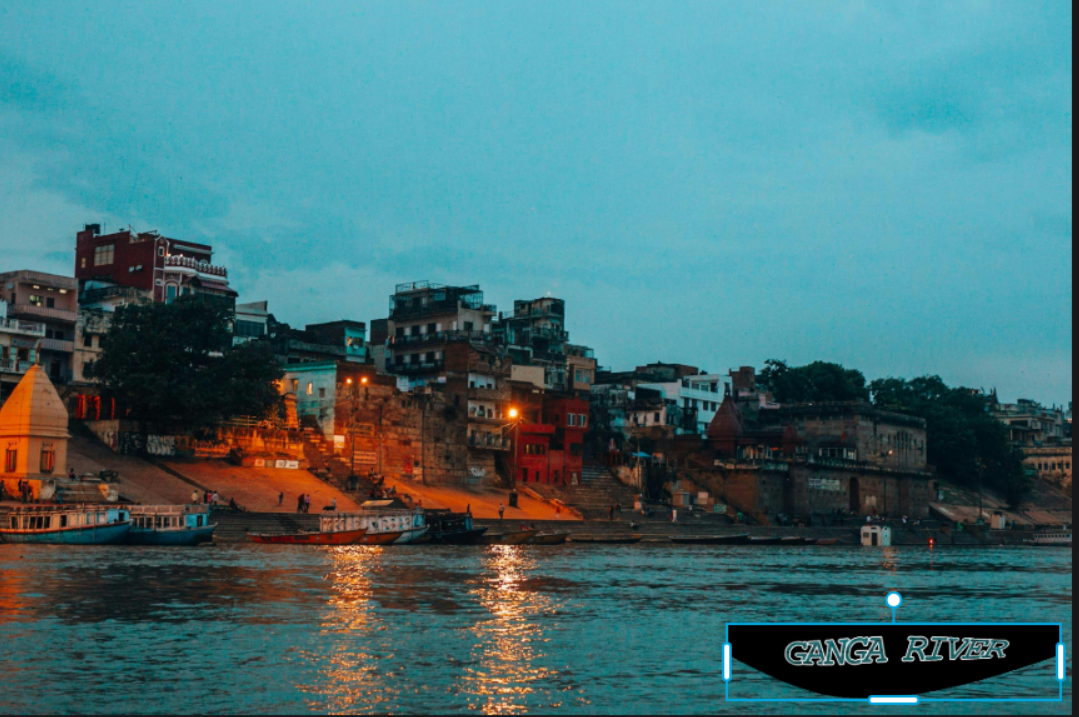
The Ganga River Unprecedented Low Streamflow and Its Implications
Published
8 months agoon
By
Raju Patel
As the sacred waters of the Ganga, revered by millions, ebb to unprecedented lows, a silent crisis unfolds along its banks. Once a roaring lifeline that nourished countless communities and ecosystems, India’s holiest river now faces alarming challenges that threaten not only its flow but also the very fabric of life intertwined with it. From agricultural distress to dwindling fish populations and increasing pollution levels, the implications are vastโand urgent. Join us as we delve deep into this pivotal moment in history, exploring what these low streamflows mean for both people and nature alike. Together, letโs navigate through this complex tapestry of tradition, ecology, and survival in one of the worldโs most vital waterways.
Introduction to the Ganga River and its historical significance
The Ganga River, a sacred lifeline for millions in India, has long been revered not just as a waterway but as an embodiment of culture and spirituality. Stretching over 2,500 kilometers, it weaves through the heart of the subcontinent, nourishing cities and villages alike. Historically significant, this river has witnessed the rise and fall of civilizations while providing sustenance to countless communities along its banks.
However, todayโs reality presents a stark contrast to its storied past. The Ganga faces an unprecedented crisis marked by dangerously low streamflow levels that threaten both ecological balance and human livelihoods. As we navigate this pressing issue togetherโunderstanding its causes and implicationsโwe uncover why action is imperative for preserving one of India’s most precious resources.
The current crisis: Reasons for low streamflow and the impact on communities
The Ganga River, once a robust lifeline for millions, now faces an alarming decline in streamflow. Several factors contribute to this crisis. Rapid urbanization leads to increased water extraction and pollution, straining the riverโs resources.
Moreover, extensive damming projects disrupt natural flow patterns. These infrastructures are vital for irrigation and power generation, but compromise the ecological balance of the river.
Communities that depend on the Ganga face dire consequences. Farmers struggle as fields dry up, lacking sufficient irrigation. Fishermen see dwindling catches affecting their livelihoods and food security.
Additionally, local populations suffer from inadequate access to clean drinking water due to declining river levels. The cultural significance of the Ganga adds another layer; rituals tied to its waters become increasingly challenging as sacred sites experience lower flows.
Examining the role of climate change in the situation
Climate change is a significant factor behind the Ganga River’s unprecedented low streamflow. Rising temperatures have led to altered precipitation patterns across India. This means less rain during critical monsoon months, impacting river levels dramatically.
Glacial melt from the Himalayas also plays a crucial role. As global warming accelerates, glaciers retreat faster than before. This phenomenon reduces the long-term supply of freshwater that feeds into the Ganga.
Moreover, extreme weather eventsโsuch as unpredictable droughts and heavy floodingโare becoming more common. These fluctuations disrupt local ecosystems and affect communities reliant on the river for sustenance and livelihood.
The intertwined relationship between climate change and water resources highlights an urgent need for adaptive strategies. Stakeholders must recognize these challenges to formulate effective responses tailored to preserving this vital waterway.
India’s response: Proposed changes to the Ganges water-sharing treaty with Bangladesh
India’s response to the crisis surrounding the Ganga River has been multifaceted, particularly in relation to its water-sharing agreement with Bangladesh. The unprecedentedly low streamflow has raised urgent concerns about equitable access.
One major proposal involves renegotiating aspects of the Ganges Water Sharing Treaty established in 1996. This treaty aimed for a fair distribution but may now be inadequate given current environmental challenges.
The Indian government is exploring options that could enhance cooperation with Bangladesh while ensuring both nations can address their growing water needs. Discussions are likely to focus on adaptive management strategies and enhanced monitoring systems.
Additionally, thereโs emphasis on joint initiatives for sustainable water usage and conservation practices along shared riverbanks. Strengthening diplomatic ties through dialogue will be essential as both countries navigate these pressing issues together.
Global implications of the Ganga River crisis
The Ganga River crisis extends far beyond India’s borders. As one of the most important rivers in South Asia, its health is vital for regional ecosystems and economies. The Ganga serves millions who depend on it for agriculture, drinking water, and livelihoods.
When streamflow decreases, neighboring countries feel the repercussions too. Bangladesh relies heavily on cross-border water sharing with India. Reduced flow can lead to disputes over resources that could escalate into political tensions.
Moreover, a diminished Ganga compromises biodiversity within its watershed. Unique species face habitat loss due to changing water levels. This situation disrupts local fishing industries that many communities rely upon for sustenance.
Internationally, the plight of the Ganga raises alarms about climate resilience and sustainable practices worldwide. Observers look closely at how this river’s fate echoes larger patterns of environmental degradation across vulnerable regions globally.
Possible solutions and steps towards sustainability
To address the Ganga River crisis, a multi-faceted approach is essential. First, we must enhance water conservation techniques across agriculture. Implementing rainwater harvesting can significantly reduce dependency on river flow.
Another avenue lies in restoring wetlands along the riverbanks. These natural systems act as buffers, absorbing excess water during floods and releasing it slowly during dry spells. Community engagement plays a pivotal role, too. Educating local populations about sustainable practices ensures they understand their impact on this vital resource.
Additionally, investing in modern waste management systems can help alleviate pollution levels in the Ganga. Cleaner waters contribute to better streamflow and healthier ecosystems. Lastly, fostering international cooperation with neighboring countries like Bangladesh is crucial for equitable water-sharing agreements that benefit all parties involved while preserving this sacred river’s integrity.
Conclusion: Why we need to take action now for the future of the Ganga River.
The Ganga River, a lifeline for millions, faces an unprecedented crisis. With streamflow at alarmingly low levels, the implications extend far beyond its banks. Communities reliant on this sacred waterway are grappling with dwindling resources and shifting ecosystems.
Urgent action is required to address the multifaceted challenges posed by climate change and unsustainable practices. The proposed changes to the Ganges water-sharing treaty with Bangladesh signal a critical step towards collaborative management of this vital resource. However, more needs to be done.
Sustainability must become a priority in policymaking and community engagement alike. Innovative approaches that balance ecological health with human needs will be essential as we move forward.
Every moment counts for the future of the Ganga River and all those who rely on it. Itโs time for individuals, communities, governments, and organizations worldwide to unite in safeguarding this irreplaceable treasure before it’s too late. Taking proactive steps today can ensure that future generations experience not just a river but an enduring legacy of hope and life flowing through their lands.
You may like
Ganga Updates
Ganga Expressway Route: Complete Map, Cities, Distance & Latest Updates
Published
2 weeks agoon
July 7, 2026By
Raju Patel
Introduction
At 594 kilometers, the Ganga Expressway will be the longest expressway in Uttar Pradesh and one of the longest in the entire country. Once completed, it will cut travel time between Meerut and Prayagraj from over 10 hours to roughly 6 hours. That is a massive change for millions of commuters, businesses, and travelers across northern India.
The project carries a price tag of approximately โน36,230 crore, making it one of the most expensive infrastructure projects in Uttar Pradesh’s history. It will pass through 12 districts, connect hundreds of villages, and open up entirely new corridors for economic growth. The Ganga Expressway route is designed to transform the way people move across one of India’s most densely populated states.
This article gives you everything you need to know about the Ganga Expressway. You will find the complete route map, every major city it connects, total distance breakdowns, toll expectations, and the latest construction updates as of 2024. Whether you are an investor looking at land near the expressway, a commuter planning future travel, or someone simply curious about this massive project, this guide covers it all.
Why the Ganga Expressway Matters
Uttar Pradesh is home to over 230 million people. It is the most populated state in India. Despite this, road connectivity between many of its major cities has been painfully slow for decades. Two lane highways, crowded intersections, and poorly maintained roads have slowed commerce and daily life for millions.
The Ganga Expressway route is designed to fix a significant part of this problem. By creating a high speed, controlled access corridor from the western edge of UP to its eastern border, the expressway will provide a direct link between some of the state’s most important regions. Western UP, which is closely tied to Delhi’s economy, will finally have a fast road connection to the culturally and politically significant cities of eastern UP like Prayagraj.
This expressway also complements the existing network that includes the Yamuna Expressway, Agra Lucknow Expressway, Bundelkhand Expressway, and Purvanchal Expressway. Together, these roads are creating a grid like expressway system across Uttar Pradesh that will rival any state in the country.
The economic impact is expected to be enormous. Industrial zones, logistics parks, and real estate developments are already being planned along the Ganga Expressway route. Agriculture heavy districts will gain faster access to markets in Delhi and other metro areas. Tourism to cities like Prayagraj, Haridwar, and nearby spiritual destinations will also see a boost.
Ganga Expressway Route: Start to End
The Ganga Expressway starts near Bijauli village in Meerut district and ends at Judapur Dandu village in Prayagraj district. The total length of the expressway is 594 kilometers. It runs roughly parallel to the Ganga river for most of its length, which is how it gets its name.
The route follows a path through the upper and lower Gangetic plains of Uttar Pradesh. It begins in the western part of the state where agriculture and proximity to Delhi drive the economy. Then it moves through the central heartland and ends in the eastern region, which is rich in history and culture but has traditionally lacked modern infrastructure.
The expressway will be a six lane controlled access highway, with provisions to expand it to eight lanes in the future as traffic demand increases. Access will be limited to designated entry and exit points, which means no intersections, no traffic signals, and no slow moving local traffic on the main carriageway.
An airstrip for emergency landings is also planned on a stretch of the expressway near Shahjahanpur. This feature, which is common on several modern Indian expressways, adds a layer of strategic defense utility to the project.
Complete List of Districts and Cities on the Ganga Expressway Route
The Ganga Expressway passes through 12 districts in Uttar Pradesh. Here is the complete list of districts from start to end, along with major nearby cities and towns.
1. Meerut
The starting point of the expressway. Meerut is one of the largest cities in western UP and sits close to Delhi NCR. It is a major hub for sports goods manufacturing, agriculture, and education.
2. Hapur
Located just south of Meerut, Hapur is a growing industrial town with strong connections to the Delhi market. The expressway will provide a faster corridor for goods transport from this area.
3. Bulandshahr
An important agricultural district, Bulandshahr will benefit from quicker access to both Delhi and the eastern parts of UP. The Ganga Expressway route passes through the rural stretches of this district.
4. Amroha (Jyotiba Phule Nagar)
Amroha is known for its pottery and handicraft industries. The expressway will connect this relatively underserved district to the broader economic network of the state.
5. Sambhal
A historically significant town, Sambhal will gain improved connectivity through the expressway. Local agricultural output will find faster routes to larger markets.
6. Budaun
Budaun is a district that has long been considered remote despite its large population. The Ganga Expressway will significantly reduce travel times from Budaun to both Delhi and Lucknow.
7. Shahjahanpur
This district is notable because the expressway’s emergency airstrip is planned here. Shahjahanpur is a mid sized city with a military cantonment and growing commercial activity.
8. Hardoi
One of the largest districts in UP by area, Hardoi sits in the geographic center of the state. The expressway will pass through its rural areas, opening them up for development.
9. Unnao
Located very close to Lucknow, Unnao is already experiencing growth due to its proximity to the state capital. The Ganga Expressway will add another layer of connectivity.
10. Rae Bareli
This politically significant district will gain a modern road connection through the expressway. It is known for its railway coach factory and strong agricultural base.
11. Pratapgarh
A district in eastern UP, Pratapgarh will benefit greatly from reduced travel times to western UP and Delhi. Currently, reaching Pratapgarh from Meerut can take an entire day by road.
12. Prayagraj
The expressway’s endpoint. Prayagraj is one of the most important cities in Uttar Pradesh and a major spiritual, educational, and administrative center. It hosts the Kumbh Mela and is home to the Allahabad High Court.
Ganga Expressway Distance Breakdown
The total distance of the Ganga Expressway is 594 kilometers. While the official government documents do not provide exact kilometer markers for every district, here are the approximate distance segments based on available route data and engineering reports.
From Meerut to Hapur, the expressway covers around 40 kilometers. The stretch from Hapur through Bulandshahr adds another 50 kilometers. Moving through Amroha and Sambhal takes the route approximately 80 kilometers further. The segment through Budaun covers roughly 60 kilometers.
Shahjahanpur adds approximately 70 kilometers, and the stretch through Hardoi contributes about 75 kilometers more. From Unnao through Rae Bareli, the route covers roughly 90 kilometers. The final stretch through Pratapgarh and into Prayagraj accounts for approximately 130 kilometers.
These are approximate figures and may shift slightly as final alignment adjustments are made during construction. The key takeaway is that the expressway distributes its length fairly evenly across all 12 districts, ensuring broad geographic coverage.
Ganga Expressway Map: Understanding the Alignment
The Ganga Expressway route map shows a clear northwest to southeast alignment across Uttar Pradesh. Starting from Meerut in the upper left corner of the state, the road cuts diagonally across the Gangetic plain before ending at Prayagraj in the lower right portion.
The alignment was chosen to stay close to the Ganga river corridor while avoiding major urban centers to minimize land acquisition challenges. Most of the route passes through agricultural land and rural areas. Entry and exit ramps will connect the expressway to state highways and national highways that lead into nearby cities.
If you look at the official Ganga Expressway map released by the Uttar Pradesh Expressways Industrial Development Authority (UPEIDA), you will see that the route intersects with several other major roads. It will cross the Lucknow Agra Expressway near the Unnao Hardoi border. It will also connect with the Purvanchal Expressway network in the eastern section near Prayagraj.
These intersections are critical because they create a connected web of high speed roads across the state. A driver starting in Meerut could take the Ganga Expressway to the Lucknow Agra Expressway interchange, switch roads, and reach Lucknow or Agra without ever touching a regular highway.
UPEIDA has also published detailed alignment maps showing every village the expressway will pass through. These maps are available on the official UPEIDA website and are useful for anyone researching land acquisition or property investment near the route.
Ganga Expressway Toll Rates: What to Expect
As of the latest available information, the final toll rates for the Ganga Expressway have not been officially announced. However, based on the toll structures of comparable expressways in Uttar Pradesh, we can make reasonable estimates.
On the Yamuna Expressway, which is 165 kilometers long, car tolls are approximately โน2.65 per kilometer. On the Agra Lucknow Expressway, rates are similar at around โน2.50 per kilometer for light vehicles. The Purvanchal Expressway charges slightly less, closer to โน2.10 per kilometer for cars.
Applying a similar rate structure to the Ganga Expressway’s 594 kilometer length, a full end to end trip for a car could cost somewhere between โน1,200 and โน1,600. Commercial vehicles like trucks and buses would pay significantly more, likely in the range of โน3,000 to โน5,000 depending on the vehicle category.
Toll plazas will be located at regular intervals along the route. FASTag will be mandatory, and cash toll collection is unlikely to be available given the government’s push for digital payments on new expressways. Monthly and annual pass options may also be introduced for regular commuters, as has been done on other UP expressways.
It is worth noting that these are estimates. The actual toll rates will be determined by the concessionaire agreements and UPEIDA’s final toll policy for the Ganga Expressway.
Construction Progress and Latest Updates (2024)
The Ganga Expressway project was formally launched by Chief Minister Yogi Adityanath in December 2021 with a foundation stone laying ceremony. Since then, construction has progressed across multiple packages, though the pace has varied from section to section.
The project has been divided into several construction packages, each awarded to different contractors. Major infrastructure companies like Dilip Buildcon, Apco Infratech, PNC Infratech, and others have been involved in executing different stretches. Land acquisition, which is often the most challenging part of any expressway project in India, has been largely completed for most sections.
As of late 2024, construction is actively underway across all 12 districts. Some of the western sections near Meerut and Hapur have seen faster progress due to relatively easier terrain and quicker land handover. The central and eastern sections have faced some delays due to land disputes, weather during monsoon seasons, and utility relocation challenges.
The original target completion date for the entire expressway was set around 2025. However, given the scale of the project and the delays encountered, a phased opening is more likely. Some sections may open for traffic by late 2025 or early 2026, while the full end to end expressway could be operational by 2026 or 2027.
The UP government has been pushing contractors to accelerate work. Regular review meetings are held by UPEIDA, and progress reports are submitted monthly. The government has publicly stated that the Ganga Expressway is a priority project and will receive whatever administrative and financial support is needed to stay on track.
Environmental clearances and wildlife corridor provisions have also been incorporated into the design, particularly in stretches that pass near ecologically sensitive areas along the Ganga floodplain.
How the Ganga Expressway Will Impact Real Estate
Property markets along the Ganga Expressway route have already started responding to the construction activity. Land prices in several villages and towns near the route have increased anywhere from 30% to 100% over the past two to three years. This trend is expected to continue as the project moves closer to completion.
Areas near interchange points and entry/exit ramps are seeing the most interest from developers. These locations will become natural growth points for commercial and residential development. Just as Greater Noida and Mathura saw real estate booms after the Yamuna Expressway opened, similar patterns are expected along the Ganga Expressway.
Districts like Budaun, Hardoi, and Pratapgarh, which have historically seen limited real estate activity, are now attracting attention from investors and developers. Industrial plots near the expressway are also being planned, as manufacturers look for affordable land with good road connectivity.
However, buyers should exercise caution. Not all land near the expressway will appreciate equally. Proximity to interchange points matters far more than simply being near the route. Additionally, clear land titles and proper legal verification are essential before making any purchase. Consulting with a local property lawyer before investing is strongly recommended.
Connectivity With Other Expressways
One of the biggest advantages of the Ganga Expressway route is how it connects with the existing expressway network in Uttar Pradesh. This interconnection creates a comprehensive high speed road grid that covers most of the state.
The Ganga Expressway will intersect with the Agra Lucknow Expressway in the central section of the route. This means travelers can switch between the two roads and reach Agra, Lucknow, or Kanpur without using regular highways.
In the eastern section, near Prayagraj, the expressway will link with the Purvanchal Expressway network. This connection will allow seamless travel from Meerut all the way to eastern UP cities like Azamgarh, Sultanpur, and even toward the Bihar border.
From the western end in Meerut, the Delhi Meerut Expressway provides a direct high speed link to Delhi. So effectively, a person starting in Delhi can take the Delhi Meerut Expressway, switch to the Ganga Expressway, and reach Prayagraj entirely on expressways. That is over 650 kilometers of uninterrupted high speed driving.
Future connectivity to the Bundelkhand Expressway through connecting roads is also being discussed. If implemented, this would create a loop connecting virtually every major city in Uttar Pradesh through expressways.
Travel Time Savings
The most immediate and tangible benefit of the Ganga Expressway for everyday users is time savings. Current travel times on national highways between the cities along this route are painfully long. Trucks and buses crawl through congested town centers, and the absence of controlled access means frequent stops.
Here are some estimated travel time comparisons once the expressway is fully operational.
Meerut to Prayagraj currently takes approximately 10 to 12 hours by road. On the Ganga Expressway, this will drop to roughly 5.5 to 6 hours. Meerut to Shahjahanpur, which currently takes about 6 hours, will be reduced to approximately 2.5 hours. Shahjahanpur to Prayagraj, currently an 8 hour drive, will take roughly 3.5 hours on the expressway.
For commercial vehicles, the time savings translate directly into cost savings. Faster delivery times mean lower fuel consumption, reduced driver costs, and better fleet utilization. Logistics companies operating in UP stand to benefit enormously from this new corridor.
Passenger travel will also become significantly more comfortable. Expressways have standardized road surfaces, proper lane markings, emergency response systems, and rest areas with fuel stations and food courts. Compared to the current experience of driving on NH roads through small towns, the Ganga Expressway will feel like a completely different country.
Features and Facilities on the Ganga Expressway
The Ganga Expressway is being built with modern standards and will include several facilities for travelers.
The road itself will be a six lane divided highway with a provision for expansion to eight lanes. The design speed is 120 kilometers per hour for cars and 100 kilometers per hour for commercial vehicles. The carriageway will have proper shoulders, rumble strips, and reflective markers for safe night driving.
Rest areas and wayside amenities will be placed at regular intervals of approximately 50 to 60 kilometers. These rest stops will include fuel stations, restaurants, restrooms, and parking areas for both cars and trucks. Emergency call boxes and surveillance cameras will be installed along the entire route for safety.
The expressway will also have dedicated service roads running parallel to the main carriageway in many sections. These service roads will allow local traffic to move alongside the expressway without entering it, reducing conflicts between high speed and local traffic.
Underpasses and overpasses will be constructed at every intersection with existing roads, railways, and rivers. This means the expressway will have zero at grade crossings, which is essential for maintaining high speeds and safety.
An integrated toll management system using FASTag and automatic number plate recognition will be implemented from day one. This will eliminate manual toll collection and reduce waiting times at toll plazas.
Environmental Considerations
Building a 594 kilometer road through one of India’s most fertile agricultural plains comes with significant environmental responsibilities. The Ganga Expressway project has incorporated several environmental safeguards into its design.
Green belts with native tree species will be planted along both sides of the expressway. These plantations serve multiple purposes. They reduce noise pollution for nearby villages, act as windbreakers, help absorb carbon emissions from vehicles, and prevent soil erosion along the road embankments.
Wildlife crossings have been provided in sections where the expressway passes through areas with known animal movement patterns. These crossings allow small and medium sized animals to safely pass beneath or over the road without entering the carriageway.
Rainwater harvesting structures and drainage systems are part of the expressway design. Since the route passes through the Gangetic floodplain, proper water management is critical to prevent waterlogging and protect the road surface during monsoons. The drainage design ensures that natural water flow patterns are not disrupted by the expressway embankment.
The project underwent environmental impact assessment and received clearance from the relevant authorities before construction began. Monitoring of environmental compliance is ongoing throughout the construction phase.
Challenges Facing the Project
No infrastructure project of this scale comes without challenges. The Ganga Expressway has faced several issues that have slowed progress at various points.
Land acquisition has been the biggest hurdle. Acquiring land from thousands of farmers across 12 districts is a massive administrative and legal undertaking. While compensation packages have been offered as per government norms, disputes over rates and land records have caused delays in some areas. Some farmers have gone to court seeking higher compensation, which has further slowed the process.
Monsoon seasons bring construction to a near halt in many sections. The Gangetic plain receives heavy rainfall, and the soil becomes too soft for earthwork during the rainy months. Contractors typically lose three to four months of effective working time each year due to weather.
Utility relocation is another persistent challenge. Electricity lines, water pipelines, telecom cables, and irrigation channels that cross the expressway alignment need to be relocated before road construction can begin. Coordinating with multiple government departments for these relocations is time consuming.
Despite these challenges, the project continues to move forward. The government’s commitment to the project remains strong, and additional resources have been allocated to address bottlenecks.
Conclusion
The Ganga Expressway is set to become one of the most important road infrastructure projects in India. At 594 kilometers, connecting 12 districts from Meerut to Prayagraj, it will transform connectivity across Uttar Pradesh. Travel times will be cut nearly in half. Economic activity along the route will accelerate. Real estate markets are already responding to the opportunity.
The Ganga Expressway route passes through a mix of developed and underdeveloped regions, bringing modern infrastructure to areas that have waited decades for it. When combined with the existing network of expressways in UP, it will create a comprehensive high speed road system that few Indian states can match.
Construction is progressing, and while some delays have occurred, the overall trajectory remains positive. The next two to three years will be critical as contractors race to complete their sections and the government pushes for a phased opening.
Ganga Updates
Ganga River Map: Complete Route, Source, Tributaries & Major Cities
Published
2 weeks agoon
July 5, 2026By
Raju Patel
The Ganga River stretches across 2,525 kilometers of Indian land, making it the longest river flowing entirely within Indian borders. More than 400 million people depend on its water for drinking, farming, and daily survival. That makes the Ganga basin one of the most densely populated river basins on the entire planet. If you want to trace the full path of this mighty river on a map, you are in the right place.
This article gives you a complete picture of the Ganga River map. You will learn exactly where it starts, which direction it flows, what tributaries feed into it, and which major cities sit along its banks. Whether you are a student, a traveler, or just someone curious about Indian geography, this guide breaks everything down in plain and simple language.
Where Does the Ganga River Start?
The Ganga River begins high up in the Himalayas. Its official source is the Gangotri Glacier, located in the Uttarkashi district of Uttarakhand, India. The glacier sits at an altitude of about 3,892 meters above sea level. A small ice cave at the snout of this glacier is called Gaumukh, which literally means “cow’s mouth” in Hindi.
From Gaumukh, the river first flows as a stream called Bhagirathi. Many people think the Ganga starts at Gangotri town, but the actual origin point is Gaumukh, which is about 19 kilometers upstream from the town. The area is remote, cold, and surrounded by snow covered peaks. Pilgrims and trekkers visit Gaumukh every year to see the birthplace of India’s most sacred river.
The Bhagirathi flows down from Gaumukh through narrow mountain valleys. It passes through several small towns in Uttarakhand before reaching a place called Devprayag. This is where the real story of the Ganga River map begins to get interesting.
Devprayag: Where the Ganga Gets Its Name
At Devprayag, two major mountain rivers meet. The Bhagirathi River coming from Gangotri joins the Alaknanda River arriving from the Satopanth Glacier near Badrinath. The moment these two rivers merge, the combined flow officially becomes the Ganga River.
Devprayag sits at an elevation of about 472 meters. The meeting point of the two rivers is a stunning sight. The Bhagirathi carries slightly darker water while the Alaknanda appears clearer. You can actually see the two colors blending together at the confluence. This town is one of the Panch Prayags, which are five sacred confluences in the Uttarakhand hills.
The Alaknanda River itself is formed by several smaller confluences upstream. It collects water from rivers like the Mandakini at Rudraprayag and the Pindar at Karnaprayag. So by the time the Alaknanda reaches Devprayag, it already carries a huge volume of water from multiple Himalayan streams.
The Upper Course of the Ganga River
After Devprayag, the Ganga continues flowing southwest through the Himalayan foothills. This upper section of the Ganga River route is steep and fast. The river cuts through narrow gorges and dense forests. It passes through the town of Rishikesh, which is famous for yoga, adventure sports, and the iconic Lakshman Jhula footbridge.
From Rishikesh, the river moves to Haridwar, one of the holiest cities in Hinduism. Haridwar is the point where the Ganga leaves the mountains and enters the flat northern plains of India. This transition is significant on the Ganga River map because the river changes character completely here. It goes from a fast, narrow mountain stream to a wide, slow moving plains river.
At Haridwar, a canal called the Upper Ganga Canal diverts a portion of the river’s water for irrigation. The Ganga canal system built by the British in the 1800s still serves millions of farmers in Uttar Pradesh. Haridwar also hosts the famous Kumbh Mela, a massive religious gathering that attracts millions of devotees.
The Middle Course: Across the Great Plains
Once the Ganga leaves Haridwar, it enters the vast Indo Gangetic Plain. This flat region stretches across most of northern India. The river flows generally southeast through the states of Uttar Pradesh and Bihar. This middle section is the longest part of the Ganga River route, and it passes through some of India’s most important cities.
The river first flows through Uttar Pradesh, passing near the cities of Bijnor, Narora, and Farrukhabad. It continues to Kannauj, an ancient city that was once the capital of Emperor Harsha’s kingdom in the 7th century. The river here is wide and slow, spreading across sandy floodplains during the monsoon season.
Further downstream, the Ganga reaches Kanpur, one of the largest industrial cities along its banks. Kanpur is a major manufacturing hub, but it is also one of the biggest sources of pollution entering the river. Factories and sewage treatment gaps have created serious environmental problems in this stretch.
Prayagraj: The Sacred Confluence
The next major landmark on the Ganga River map is Prayagraj, formerly known as Allahabad. This city holds enormous religious importance because it is where the Ganga meets the Yamuna River. Hindus also believe a mythical third river called the Saraswati joins underground at this point.
The meeting of the Ganga and Yamuna at Prayagraj is called the Triveni Sangam. It is considered one of the holiest spots in all of Hinduism. The Kumbh Mela held here is the largest human gathering on Earth, with over 100 million people attending during the 2019 event. After absorbing the Yamuna’s water, the Ganga grows significantly wider and carries much more volume.
Varanasi: The Spiritual Heart
Downstream from Prayagraj, the Ganga reaches Varanasi, also known as Banaras or Kashi. This city is one of the oldest continuously inhabited cities in the world, with a history stretching back over 3,000 years. Varanasi sits on the left bank of the river and is defined by its famous ghats, which are stone steps leading down to the water.
There are over 80 ghats in Varanasi. Pilgrims come from all over India and the world to bathe in the Ganga here. Cremation ceremonies take place at Manikarnika Ghat and Harishchandra Ghat around the clock. The evening Ganga Aarti ceremony at Dashashwamedh Ghat draws thousands of spectators every single night. For anyone studying the Ganga River map, Varanasi is the spiritual center of the entire river system.
Into Bihar
After Varanasi, the river crosses into Bihar, passing through the city of Patna. Patna, the state capital of Bihar, is an ancient city known historically as Pataliputra. It was the capital of several powerful Indian empires, including the Maurya and Gupta dynasties.
Near Patna, the Ganga receives water from several large tributaries coming down from Nepal and the sub Himalayan region. The river here is extremely wide during the monsoon months, sometimes stretching several kilometers across. Flooding is a regular and serious problem in Bihar, affecting millions of people every year.
Major Tributaries of the Ganga River
The Ganga does not flow alone. It collects water from dozens of tributaries along its path. These tributaries are a crucial part of the Ganga River map because they contribute most of the river’s total water volume. The tributaries come from both the left bank (north side) and the right bank (south side).
Left Bank Tributaries (from the Himalayas):
The northern tributaries originate in the Himalayan mountains and carry large amounts of water, especially during the monsoon. The Ramganga joins near Kannauj. The Gomti flows through Lucknow before meeting the Ganga near Varanpur. The Ghaghara, also called Sarju, is one of the largest tributaries by water volume and joins near Chapra in Bihar. The Gandak flows down from Nepal and meets the Ganga near Hajipur. The Kosi River, often called the “Sorrow of Bihar” because of its devastating floods, joins near Kursela.
Right Bank Tributaries (from Peninsular India):
The southern tributaries are generally shorter and carry less water. The Yamuna is the most important right bank tributary and the largest one overall. It flows 1,376 kilometers from Yamunotri in the Himalayas through Delhi and Agra before joining the Ganga at Prayagraj. The Son River originates in Madhya Pradesh and joins near Patna. The Damodar River enters the Ganga system in West Bengal.
| Tributary | Bank | Confluence Point | Origin |
|---|---|---|---|
| Yamuna | Right | Prayagraj | Yamunotri Glacier |
| Ghaghara | Left | Chapra, Bihar | Tibet (Mansarovar) |
| Gandak | Left | Hajipur, Bihar | Nepal Himalayas |
| Kosi | Left | Kursela, Bihar | Nepal/Tibet border |
| Son | Right | Near Patna | Amarkantak, MP |
| Ramganga | Left | Near Kannauj | Uttarakhand hills |
| Gomti | Left | Near Varanpur | Pilibhit, UP |
| Damodar | Right | West Bengal | Chota Nagpur Plateau |
These tributaries together drain an area of over 1 million square kilometers, creating one of the largest river basins in the world. The Ganga basin covers parts of India, Nepal, Bangladesh, and a tiny portion of China.
The Lower Course: Entering Bengal
After flowing through Bihar, the Ganga enters West Bengal. This is where the lower course of the river begins. Near the town of Farakka in the Murshidabad district, something very important happens on the Ganga River map. The river splits into two main branches.
One branch continues flowing east into Bangladesh, where it is known as the Padma River. The other branch turns south and flows through West Bengal as the Hooghly River, also called Bhagirathi in its upper reaches within Bengal. The Farakka Barrage, a large dam built in 1975, controls how much water goes into each branch. This barrage has been a source of tension between India and Bangladesh for decades.
The Hooghly River and Kolkata
The Hooghly River flows south through West Bengal, passing through the city of Kolkata, which is India’s third largest metropolitan area. Kolkata was built on the banks of the Hooghly and served as the capital of British India until 1911. The Howrah Bridge, one of the most famous bridges in India, spans the Hooghly and connects Kolkata to Howrah city.
The Hooghly is a tidal river, meaning its water levels rise and fall with ocean tides even though it is still many kilometers inland. Ships and cargo vessels use the Hooghly to reach Kolkata port, one of the oldest operating ports in the country. As the Hooghly flows further south past Kolkata, it widens dramatically before emptying into the Bay of Bengal.
The Ganges Delta
The area where the Ganga and its branches meet the sea is called the Ganges Delta. This is the largest river delta on Earth, covering approximately 59,000 square kilometers. The delta spans both India and Bangladesh. On the Indian side, much of it falls within the Sundarbans, a massive mangrove forest that is home to the Royal Bengal Tiger.
The Sundarbans is a UNESCO World Heritage Site and one of the most unique ecosystems in the world. Hundreds of small islands, channels, and waterways make up this region. The land here is low lying and extremely vulnerable to cyclones, flooding, and rising sea levels caused by climate change.
The Ganga finally meets the Bay of Bengal through multiple mouths spread across the delta. There is no single point where the river ends. Instead, it fans out into countless channels that blend fresh river water with salty ocean water. This mixing zone supports an incredibly rich variety of fish, birds, and marine life.
Major Cities Along the Ganga River
The Ganga River map passes through or touches dozens of cities and towns. Here is a summary of the most important ones from source to sea.
Starting in Uttarakhand, Rishikesh and Haridwar are the first significant cities. Moving into Uttar Pradesh, the river flows past Bijnor, Narora, Kannauj, Kanpur, Prayagraj, Mirzapur, and Varanasi. Each of these cities has deep historical and cultural roots tied to the river.
In Bihar, Buxar, Ballia (on the UP border), Patna, Munger, and Bhagalpur are key cities along the banks. Patna stands out as the largest city in this section and serves as the political capital of Bihar. After entering West Bengal, the river passes through Murshidabad, Nabadwip, and eventually Kolkata via the Hooghly channel.
Across the border in Bangladesh, the Padma branch flows through Rajshahi and joins the Brahmaputra near Goalundo before reaching the sea. The Ganga River system, when you include the Bangladesh section, touches hundreds of millions of lives across two countries.
Religious and Cultural Significance
No discussion of the Ganga River map is complete without talking about the river’s cultural importance. The Ganga is considered the holiest river in Hinduism. According to Hindu mythology, the goddess Ganga descended from heaven to earth to purify the souls of ancestors. This story is central to why Hindus consider bathing in the Ganga a sacred act.
Every year, millions of pilgrims visit cities like Haridwar, Prayagraj, and Varanasi to perform rituals on the river’s banks. The Kumbh Mela, held every 12 years at Prayagraj and other locations, is the largest peaceful gathering of humans anywhere in the world. The river is part of daily life for hundreds of millions of people, from morning prayers to funeral rites.
Even people who do not follow Hinduism recognize the Ganga’s cultural power. Buddhists, Jains, and Sikhs all have historical connections to cities along the Ganga. Emperor Ashoka’s capital Pataliputra, Guru Nanak’s visits to Varanasi, and Mahavira’s connection to Bihar all tie back to the river’s geography.
Environmental Challenges Facing the Ganga
The Ganga is one of the most polluted rivers in the world, and this is a serious problem that affects every section of the Ganga River map. Industrial waste from cities like Kanpur, untreated sewage from Varanasi and Patna, and agricultural runoff from millions of farms all pour into the river daily.
Studies have found dangerously high levels of fecal coliform bacteria, heavy metals, and toxic chemicals in many stretches of the river. The Central Pollution Control Board of India has classified several sections as unfit for bathing or drinking without treatment. Despite this, millions of people still use the river water directly because they have no other option.
The Indian government launched the Namami Gange Programme in 2014 with a budget of over 20,000 crore rupees to clean and protect the river. The program focuses on building sewage treatment plants, reducing industrial discharge, and conserving biodiversity along the river. Progress has been slow, but some improvements have been reported in certain stretches.
Climate change adds another layer of concern. The Gangotri Glacier, which feeds the river, has been retreating at an alarming rate. Studies show the glacier is shrinking by about 22 meters per year. If this trend continues, the river’s water flow during dry months could decrease significantly in the coming decades, affecting water supply for hundreds of millions.
The Ganga River Basin: A Broader View
When you look at the Ganga River map from a basin perspective, you see a massive drainage system. The Ganga basin covers about 26 percent of India’s total land area. It stretches across 11 Indian states, including Uttarakhand, Uttar Pradesh, Madhya Pradesh, Rajasthan, Haryana, Himachal Pradesh, Chhattisgarh, Jharkhand, Bihar, West Bengal, and Delhi.
The basin also extends into Nepal, where several major tributaries like the Kosi, Gandak, and Ghaghara originate. In Bangladesh, the combined Ganga and Brahmaputra system creates the Bengal Delta, supporting one of the most densely populated regions on the planet.
About 43 percent of India’s total irrigated land lies within the Ganga basin. The river and its tributaries support agriculture that feeds a significant portion of India’s 1.4 billion people. Rice, wheat, sugarcane, and lentils are the major crops grown in the basin area. Without the Ganga and its network of canals and tributaries, Indian agriculture would face a catastrophic crisis.
How to Read a Ganga River Map
If you are looking at a Ganga River map for study or travel purposes, here are some helpful tips. Start at the top left of the map in Uttarakhand, where the river originates. Trace the blue line as it moves southeast through Uttar Pradesh and Bihar. Notice how the river gets wider as more tributaries join it along the way.
Pay attention to the major confluence points. Devprayag, Prayagraj, and Farakka are the three most important junctions on the map. At each of these points, the river changes in size, name, or direction. Also look for the canal systems branching off from the main river, especially near Haridwar and Farakka, as these carry significant amounts of water away from the main channel.
In the delta region, the map becomes more complex because the river splits into many smaller channels. The border between India and Bangladesh runs through this delta, so political boundaries add another layer to the geography. Good maps will show both the Hooghly branch going south through Kolkata and the Padma branch going east into Bangladesh.
Interesting Facts About the Ganga River
The Ganga has a unique property that scientists have studied for years. The river water contains bacteriophages, which are viruses that kill harmful bacteria. This partially explains why the water resists putrefaction longer than water from many other rivers. Some researchers believe this property contributed to the ancient belief that Ganga water is pure and sacred.
The Ganga dolphin, also known as the Susu, is a freshwater dolphin species found only in the Ganga and Brahmaputra river systems. It was declared India’s national aquatic animal in 2009. The species is endangered, with an estimated population of only 1,200 to 1,800 individuals remaining. Pollution and habitat loss are the biggest threats to their survival.
The river also supports one of the largest inland fisheries in the world. Over 140 species of fish have been recorded in the Ganga system. Fishing provides livelihood to millions of families living along the river’s banks in Uttar Pradesh, Bihar, and West Bengal.
Conclusion
The Ganga River map tells the story of a river that is much more than just water flowing across land. From its icy origins at Gaumukh in the Himalayas to its sprawling delta in the Bay of Bengal, the Ganga covers 2,525 kilometers and touches the lives of nearly half a billion people. It collects water from powerful tributaries like the Yamuna, Ghaghara, Gandak, and Kosi. It flows past ancient cities like Varanasi and Patna, and it supports agriculture, industry, and spiritual life across a vast basin.
But the river faces real threats. Pollution, glacier retreat, and overuse of water are all putting pressure on this vital resource. Programs like Namami Gange offer hope, but much more work is needed. Every person living in the Ganga basin and every citizen of India has a role to play in protecting this river for future generations.
If you found this guide helpful, share it with students, travelers, and anyone interested in Indian geography. Bookmark this page for future reference, and explore our other articles on major rivers of India to deepen your knowledge of the country’s incredible water systems.
Ganga Updates
Ganga Platino: Premium Apartments, Amenities, Location & Price Guide
Published
2 weeks agoon
July 4, 2026By
Raju Patel
Introduction:
Pune’s real estate market grew by over 18% in 2023, making it one of the fastest growing property markets in India. Buyers are looking harder than ever for projects that give real value. Ganga Platino is one name that keeps coming up in those conversations.
This project sits in one of Pune’s most active residential zones. It offers a mix of smart design, strong amenities, and a location that connects residents to work, schools, and daily needs without much hassle. If you are thinking about buying or investing, this guide will walk you through everything you need to know.
We cover the apartment configurations, amenities, exact location benefits, price details, and what makes this project stand out. By the end, you will have a clear picture to help you make a smart decision.
What Is Ganga Platino?
Ganga Platino is a premium residential project developed by Ganga Developers, a well known name in Pune’s real estate sector. The project is located in Kharadi, one of the most sought after neighborhoods in Pune. It was designed to offer high quality urban living at a competitive price point.
Ganga Developers has built a strong reputation over the years. Their projects are known for quality construction, on time delivery, and designs that focus on space and light. Ganga Platino follows the same standard and adds a few extra touches that make it feel truly premium.
The project targets working professionals, young families, and investors who want a property in a high growth area. It is not just about four walls and a roof. It is about living in a community that is thoughtfully built.
Location: Why Kharadi Is the Right Place to Be
Kharadi is one of the most important growth corridors in Pune. It is home to major IT parks, corporate offices, and business hubs like EON IT Park and World Trade Center Pune. This makes it a top choice for tech professionals and business executives who want to live close to work.
The location of Ganga Platino gives residents easy access to key parts of the city. Nagar Road connects directly to central Pune. The airport is just a short drive away. Major hospitals, schools, and malls are all within a comfortable distance.
Connectivity is one of the biggest selling points here. The area is well served by public transport and main road networks. Whether you drive, use a cab, or take a bus, getting around from Kharadi is relatively smooth compared to many other parts of Pune.
Nearby Key Locations from Ganga Platino
| Landmark | Approximate Distance |
|---|---|
| EON IT Park | 1 to 2 km |
| World Trade Center Pune | 2 to 3 km |
| Pune International Airport | 8 to 10 km |
| Phoenix Marketcity Mall | 4 to 5 km |
| Columbia Asia Hospital | 3 to 4 km |
| Symbiosis International University | 6 to 8 km |
Kharadi also has a strong social infrastructure. You will find good restaurants, grocery stores, gyms, and entertainment options all nearby. Living here means you spend less time commuting and more time doing things that matter.
Apartment Configurations: What You Get
Ganga Platino offers multiple apartment configurations to suit different needs and budgets. The project includes 2 BHK and 3 BHK apartments, covering a good range of buyers from small families to larger households.
The 2 BHK units are designed for couples, small families, or professionals who want a spacious yet manageable home. These units make efficient use of every square foot. The rooms are well proportioned and get good natural light.
The 3 BHK apartments are for buyers who need more space. These are great for growing families or people who work from home and need a dedicated office space. The layouts are open and avoid the boxy feel that many apartments carry.
Key Features of the Apartments
Every unit in Ganga Platino has been planned with practical living in mind. Here are some of the standout interior features:
- Large windows that bring in natural light and ventilation
- Premium quality flooring in living rooms and bedrooms
- Modular kitchen designs with quality fittings
- Spacious balconies in most units
- High quality bathroom fittings and fixtures
- Ample storage space built into the design
The floor plans are available from the developer’s sales office and website. It is worth requesting a detailed floor plan before shortlisting your preferred unit. This helps you understand how the space is divided and whether it fits your lifestyle.
Amenities: What Life at Ganga Platino Looks Like
A premium project is not just about the apartment itself. It is also about what happens outside your front door. Ganga Platino has invested in building a set of amenities that support a balanced lifestyle for all age groups.
Fitness and Wellness Facilities
Residents have access to a fully equipped gymnasium. There is no need for an outside gym membership when you have quality equipment right in your building. A swimming pool is also available, which is a great feature for both fitness and relaxation.
Yoga and meditation areas are part of the layout too. These spaces are quiet and designed to give residents a place to unwind. For a city as busy as Pune, having a calming space at home makes a real difference.
Children’s Play and Recreation
Families with kids will find dedicated play areas inside the complex. These are safe, enclosed spaces where children can be active without parents worrying about road traffic or safety issues. The design keeps children’s areas separate from vehicle movement zones.
Indoor games rooms are also available. These spaces support community interaction and give teenagers and adults a place to spend leisure time within the property.
Green Spaces and Open Areas
Ganga Platino has landscaped gardens and open areas within the project. Green spaces help reduce the urban heat effect and give residents a place to walk, sit, and breathe. The project has tried to balance built structures with open green zones.
Tree lined pathways and sitting areas are thoughtfully placed throughout the complex. These are not just decorative. They serve a real purpose by giving the community a sense of calm within a busy city.
Security and Safety
Security is a top priority at Ganga Platino. The project uses a multi layer security system that includes CCTV surveillance, trained security personnel, and access control at all entry and exit points. Residents feel safe at all times of day and night.
Fire safety systems are installed throughout the building. Each floor has proper fire escape plans and equipment in place. Emergency response systems are also part of the project’s safety infrastructure.
Other Amenities Worth Noting
The project includes a clubhouse that can be used for community events and private gatherings. A multipurpose hall is available for residents who want to host functions within the complex. A co working space or business center is also available in some configurations, which is very useful for remote workers.
Ample parking space is provided for residents and visitors. Electric vehicle charging points are being integrated into newer projects by Ganga Developers, and Ganga Platino aligns with this modern thinking.
Construction Quality and Design Philosophy
One of the most common questions buyers ask is about construction quality. Ganga Developers uses RCC framed structure construction, which provides strength and durability. The walls, floors, and ceilings are built to last, not just to look good at first glance.
The design philosophy focuses on functional elegance. Spaces are not oversized to inflate the price. Every part of the apartment is designed to be used efficiently. This makes the homes feel generous without being wasteful.
The building facade has a clean and contemporary look. The architecture does not try too hard to impress. Instead, it focuses on simple lines, good proportions, and materials that age well. This is the kind of design that looks as good in ten years as it does today.
Ganga Developers also focuses on sustainable construction where possible. Energy efficient lighting, water saving fixtures, and rainwater harvesting systems are features that reduce environmental impact and also lower monthly utility bills for residents.
Price Guide: What Does Ganga Platino Cost?
Pricing is always one of the first things buyers want to know. Ganga Platino offers competitive pricing for a premium project in Kharadi. The exact price depends on the floor, facing, and unit size you choose.
As of the most recent data available, the approximate price range for units at Ganga Platino is as follows. A 2 BHK apartment typically starts around Rs. 85 to 100 lakhs depending on the configuration. A 3 BHK apartment typically falls in the range of Rs. 1.2 to 1.6 crores.
These prices reflect the location advantage, construction quality, and amenity package that comes with the project. Compared to similar projects in Kharadi and neighboring areas like Viman Nagar and Hadapsar, Ganga Platino offers fair value.
What Affects the Final Price?
Several factors can change the final price you pay. Floor level matters because higher floors with better views and less noise often carry a premium. East or west facing units can also have different price points based on sunlight and ventilation.
The stage of construction also matters. Buying during the pre launch or early launch phase often gets you a better rate than buying when the project is close to completion. This is why many smart investors come in early.
Additional Costs to Plan For
Beyond the base price, buyers should plan for some additional costs. Stamp duty in Maharashtra is typically around 5% of the property value, with registration charges adding around 1%. Ganga Platino also has a maintenance deposit and monthly maintenance fees that vary by unit size.
Interior finishing, furniture, and appliances are separate costs that buyers often underestimate. Setting aside 10 to 15% of the property value for these expenses is a reasonable plan. A home loan from a major bank can cover the primary purchase cost, and Ganga Platino is approved by several top lenders.
Investment Potential: Should You Buy in Ganga Platino?
Kharadi is one of the strongest property investment zones in Pune right now. The area has seen consistent rental demand because of the nearby IT corridor. Professionals working in EON IT Park, World Trade Center, and other offices prefer to stay in Kharadi to avoid long commutes.
Rental yields in Kharadi typically range between 3% and 4.5% per year, which is solid for a city like Pune. A 2 BHK in this area can fetch anywhere between Rs. 20,000 and Rs. 30,000 per month as rental income. This makes Ganga Platino attractive for buyers who want passive income from their property.
Capital appreciation has also been strong. Properties in Kharadi have increased in value steadily over the last several years. Infrastructure development, new office projects, and better road connectivity continue to push prices higher. Buying now puts you ahead of future price growth.
If you are looking at long term wealth building, buying in a premium project like Ganga Platino in a high demand location is a sound strategy. The combination of good rental income and solid appreciation makes it one of the better options in Pune’s residential market.
Who Is Ganga Platino Best Suited For?
Not every project fits every buyer. Ganga Platino works best for a specific group of people. Knowing whether you fall into that group helps you decide faster.
IT professionals working in Kharadi or nearby areas are the best fit. The location cuts down commuting time significantly, and the lifestyle amenities match the needs of working adults. Families with children also benefit from the safe environment, play areas, and proximity to good schools.
First time home buyers who want a quality product at a reasonable price point will find Ganga Platino a strong option. The project offers enough premium features without going into ultra luxury pricing territory. You get real value for what you pay.
Investors looking for a rental income property in Pune will also find this project appealing. The demand for rental housing in Kharadi is consistently high, and a well maintained premium apartment in this area rents quickly at good rates.
Ganga Developers: Who Is Behind This Project?
A project is only as good as the developer behind it. Ganga Developers has been active in Pune’s real estate market for many years. They have delivered multiple residential and commercial projects across the city with a strong track record.
Buyers trust Ganga Developers because of their consistency in construction quality and delivery timelines. In a market where delays are common, the developer’s history of on time possession gives buyers confidence. Their after sales service and maintenance record are also well regarded.
The company has received recognition from industry bodies for their contributions to Pune’s residential landscape. Their portfolio covers projects in areas like Undri, Keshav Nagar, and Kharadi. Each project reflects a similar focus on quality, space planning, and community living.
Doing a background check on any developer before buying is always a good idea. For Ganga Developers, the track record speaks clearly. The RERA registration of the project adds another layer of buyer protection that is important in today’s real estate market.
RERA Registration and Legal Transparency
Any residential project sold in India must be registered under RERA, which stands for Real Estate Regulatory Authority. Ganga Platino is RERA registered, which means the developer is bound by legal rules that protect buyers.
RERA registration means the developer must disclose all project details including layout plans, completion timeline, and financial accounts. Buyers can track the project’s progress on the RERA portal at any time. This transparency reduces the risk of being misled.
If there are delays or issues with the project, RERA gives buyers a legal path to seek compensation or resolution. This is an important safeguard that was not available to buyers before RERA came into force. Always verify the RERA number on the Maharashtra RERA website before finalizing your purchase.
How to Book an Apartment at Ganga Platino
Booking a unit at Ganga Platino is a straightforward process. The first step is visiting the site office or the developer’s official website to check availability. Unit availability changes based on how quickly other buyers are booking.
After selecting your preferred unit, you pay a token amount to hold the unit. This is followed by a formal booking form and a booking amount as defined by the developer. The sales team will then guide you through the payment schedule and documentation process.
Most buyers also explore home loan options at this stage. Ganga Platino is pre approved by leading banks and NBFCs, which simplifies the loan process. You can compare loan offers from different lenders and choose the one with the best terms.
Site visits are strongly recommended before booking. Walking through the property, checking the construction, and seeing the location firsthand gives you information that no brochure can fully provide. If possible, visit on a weekday and a weekend to get a realistic picture of the area.
Common Questions Buyers Ask About Ganga Platino
Is Ganga Platino ready to move in?
The possession status depends on the phase and unit you choose. Some phases may be ready for possession while others are under construction. Check with the sales team for updated possession timelines.
Can NRIs buy apartments at Ganga Platino?
Yes. NRIs can purchase residential property in India, and Ganga Platino follows standard procedures for NRI buyers. Most major banks also offer NRI home loans for such purchases.
What is the maintenance charge at Ganga Platino?
Maintenance charges vary by unit size and are typically charged on a monthly or quarterly basis. The exact amount should be confirmed with the developer as it may change based on the project phase and amenities included.
Is there a parking facility at Ganga Platino?
Yes. Covered parking is available for residents. The allocation depends on the unit type, and the developer provides clear details on parking during the booking process.
Tips for Buying Smartly at Ganga Platino
Buying a premium apartment is a big financial decision. A few simple steps can help you make the most of it. First, always compare the cost per square foot across similar projects in Kharadi before committing. This tells you whether the pricing is fair.
Second, read the agreement carefully before signing. Pay attention to the possession date, penalty clauses for delays, and what happens if there are changes to the layout or amenities. A lawyer can help you review the document if needed.
Third, check your home loan eligibility before finalizing the unit. Knowing how much the bank is willing to lend helps you plan your budget realistically. Avoid stretching your finances to the maximum limit, as property ownership comes with ongoing costs.
Finally, visit the site in person. Photos and virtual tours are helpful but they cannot replace a real site visit. Walk the area, talk to people in the neighborhood, and check the actual apartment floor plan against the measurements provided. This due diligence pays off in the long run.
Conclusion: Is Ganga Platino Worth It?
Ganga Platino brings together a strong location, quality construction, practical amenities, and fair pricing in one package. For anyone looking to buy a premium apartment in Pune, it deserves serious consideration.
The Kharadi location alone is a major advantage. Add to that the track record of Ganga Developers, the lifestyle amenities on offer, and the solid investment potential of the area, and you have a project that checks most of the right boxes. It is not perfect for everyone, but for the right buyer, it is a very strong option.
If you are a working professional, a family, or an investor focused on Pune’s east corridor, Ganga Platino is worth a closer look. Take the time to visit the project, talk to the sales team, and compare your options before deciding.
Trending
-
Tech5 months agoRemote Work: A Complete Guide to Working from Anywhere
-
Tech6 months agoTwizchat.com: The Future of Real-Time Online Communication
-
Business6 months agoFedEx: A Complete Guide to Services, Shipping Costs, and Global Logistics
-
Tech6 months agoTop 10 Digital Printing Companies in Chicago
-
Ganga Quest12 months agoGanga Quest
-
Lifestyle6 months agoCreative Grounding Techniques for Everyday Stress Relief
-
Ganga Updates12 months agoLatest News, Photos, Videos on Ganga Floods
-
Tech12 months agoInternetChocks: Understanding Their Role in Online Security
