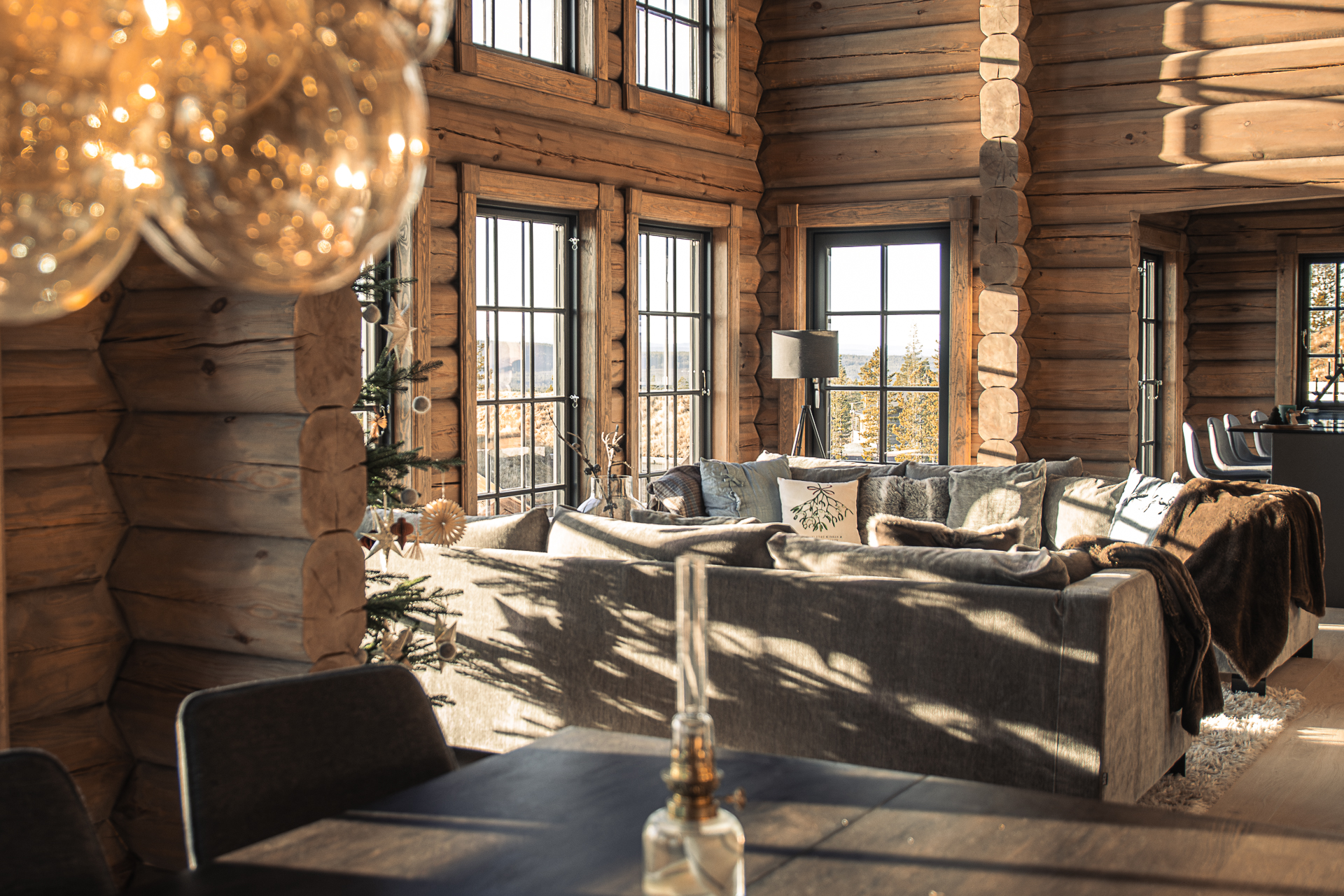
A luxury hotel is more than a place to sleep. It is an experience designed around comfort, elegance, personalized service, and attention to detail. From beautifully designed rooms and world-class dining to relaxing spas and attentive staff, luxury hotel aim to make every moment of a guest’s stay memorable. Whether located in the heart of a major city, beside a tropical beach, in the mountains, or within a historic building, these hotels represent a premium approach to hospitality.
What Defines a Luxury Hotel?
Luxury hotels are distinguished by the quality of their facilities, services, design, and overall guest experience. While a standard hotel may focus primarily on providing comfortable accommodation, a luxury property attempts to anticipate what guests need before they ask.
High-quality furnishings, spacious rooms, premium bedding, elegant bathrooms, modern technology, and carefully selected décor are common features. Many luxury hotels also provide additional services such as concierge assistance, private transportation, room service, valet parking, laundry, and personalized recommendations.
However, luxury is not simply about expensive furniture or impressive architecture. Genuine luxury hospitality is often defined by how guests feel. A warm welcome, efficient service, privacy, and thoughtful personal touches can have a greater impact than extravagant decoration.
Elegant Rooms and Suites
Accommodation is one of the most important elements of a luxury hotel. Rooms and suites are usually designed to provide a peaceful environment where guests can relax after a busy day.
Luxury rooms often feature premium mattresses, high-quality linens, comfortable seating areas, large windows, sophisticated lighting, and stylish furniture. Bathrooms may include spacious showers, deep soaking tubs, premium toiletries, bathrobes, and modern fixtures.
Suites take the experience further by offering separate living and sleeping areas, dining spaces, private balconies, or spectacular views. Some luxury hotels also provide presidential or penthouse suites designed for guests seeking the highest level of comfort and privacy.
Technology is another important part of modern luxury accommodation. Guests may find smart lighting, automated curtains, high-speed internet, entertainment systems, wireless charging stations, and digital controls for room features.
Personalized Service
Exceptional service is at the heart of luxury hospitality. Guests expect staff members to be professional, knowledgeable, discreet, and responsive.
A concierge can help arrange restaurant reservations, transportation, sightseeing experiences, entertainment, shopping trips, and special occasions. Hotel staff may also remember individual preferences, such as a favorite type of coffee, preferred room location, or dietary requirements.
Personalization helps transform a hotel stay from a simple transaction into a memorable experience. A guest celebrating a birthday, anniversary, honeymoon, or business achievement may receive a personalized welcome, making the occasion feel even more special.
The best luxury hotels understand that service does not always mean doing more. Sometimes it means providing assistance at exactly the right moment while respecting the guest’s privacy.
Fine Dining and Culinary Experiences
Food is another major attraction of luxury hotels. Many properties feature elegant restaurants led by experienced chefs, along with cafés, lounges, rooftop dining areas, and bars.
Luxury hotel restaurants often emphasize fresh ingredients, creative presentation, international cuisine, and professional service. Some offer fine-dining menus, while others specialize in regional dishes that allow travelers to experience the local culture through food.
In-room dining is also an important feature. Guests can enjoy breakfast, dinner, desserts, or drinks in the privacy of their rooms. High-quality room service can be particularly valuable for business travelers, families, and guests who prefer a quiet evening.
Wellness and Recreation
Modern luxury hotels increasingly focus on wellness. Spas, fitness centers, swimming pools, saunas, steam rooms, yoga studios, and wellness treatments can provide guests with opportunities to relax and recharge.
A luxury spa may offer massages, facials, body treatments, beauty services, and customized wellness programs. Fitness centers may include advanced equipment, personal trainers, and specialized classes.
Resort hotels often provide additional recreational facilities, including private beaches, golf courses, tennis courts, outdoor pools, water activities, and guided excursions. These amenities allow guests to combine accommodation with entertainment and relaxation.
Location and Architecture
Location plays an important role in the appeal of a luxury hotel. Some properties are located in prestigious city centers close to shopping districts, cultural attractions, financial centers, and entertainment venues. Others are designed as secluded retreats surrounded by mountains, forests, deserts, or beaches.
Architecture can also become part of the hotel experience. Historic buildings may preserve traditional features while incorporating modern comforts. Contemporary luxury hotels often use striking architectural designs, expansive glass windows, artistic interiors, and carefully landscaped outdoor spaces.
A beautiful view can further enhance the experience. Oceanfront rooms, mountain panoramas, city skylines, and private gardens are frequently used as selling points by luxury properties.
Business and Events
Luxury hotels are not only designed for vacations. They also serve business travelers and corporate clients. Meeting rooms, conference facilities, executive lounges, business centers, and high-speed internet make these properties suitable for professional events.
Many luxury hotels also host weddings, private celebrations, conferences, exhibitions, and corporate gatherings. Professional event teams can manage catering, decoration, seating arrangements, technology, and guest services, allowing organizers to focus on their event.
Sustainability in Luxury Hospitality
Luxury hospitality is increasingly becoming connected with sustainability. Modern travelers want comfort without ignoring environmental responsibility.
Many luxury hotels are introducing energy-efficient systems, water-saving technology, recycling programs, locally sourced food, sustainable building materials, and reduced single-use plastics. Some properties also work closely with local communities and support regional businesses.
Sustainable luxury demonstrates that environmental responsibility and high-quality hospitality can coexist. Guests can enjoy premium facilities while staying at properties that make efforts to reduce their environmental impact.
Why People Choose Luxury Hotels
People choose luxury hotels for different reasons. Some want relaxation and privacy, while others are attracted by exceptional dining, wellness facilities, location, or personalized service. For business travelers, convenience and professional amenities may be the primary priorities.
For special occasions, a luxury hotel can make an ordinary trip feel extraordinary. Honeymoons, anniversaries, birthdays, family celebrations, and milestone events often become more memorable when combined with beautiful surroundings and premium hospitality.
Ultimately, luxury is about creating an environment in which guests feel valued and comfortable.
The Future of Luxury Hotels
The future of luxury hospitality is likely to combine technology, personalization, sustainability, and authentic experiences. Guests increasingly want more than luxurious rooms; they want meaningful experiences that reflect the destination and their individual interests.
Artificial intelligence and smart-room technology may make hotel services more personalized, while wellness programs and sustainable practices are expected to become even more important. At the same time, human interaction will remain essential. Technology can improve convenience, but genuine hospitality still depends on thoughtful and attentive people.
Conclusion
A luxury hotel represents much more than premium accommodation. It brings together elegant design, comfortable rooms, exceptional dining, wellness facilities, convenient locations, personalized service, and memorable experiences. The finest properties understand that true luxury is not simply about extravagance. It is about attention to detail, comfort, privacy, and making every guest feel genuinely cared for.
As travelers become more selective, luxury hotels will continue to evolve. The most successful properties will be those that combine sophistication with authenticity, modern technology with human service, and indulgence with sustainability. In this way, a luxury hotel can become more than a temporary place to stay—it can become one of the most memorable parts of the journey itself.