Connect with us

Health

Secure Disposal of Remote Patient Monitoring Devices: Best Practices and Regulatory Considerations

Published

on

Secure Disposal of Remote Patient Monitoring Devices

Table of Contents

  1. Introduction to Remote Patient Monitoring (RPM) Device Disposal
  2. Understanding the Importance of Secure Disposal
  3. Regulatory Compliance and Legal Obligations
  4. Best Practices for Secure Disposal
  5. Challenges in RPM Device Disposal
  6. Case Study: Addressing Security Risks in RPM Devices
  7. Implementing a Secure Disposal Plan
  8. Conclusion

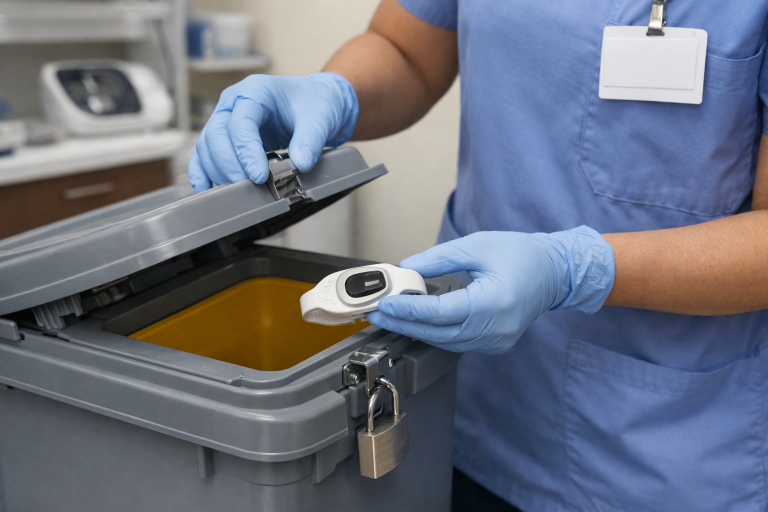
Remote patient monitoring (RPM) devices have transformed the modern healthcare landscape, allowing for the constant collection and transmission of patient health data outside the confines of clinical environments. This innovation brings clear benefits for patient care but also creates new challenges when the devices reach the end of their lifecycle. When it is time to discard these devices, healthcare providers must prioritize secure destruction of medical devices to protect sensitive information and ensure regulatory compliance.

Proper disposal strategies go beyond simply discarding outdated equipment. Since RPM devices can store substantial amounts of personal health information, improper handling could expose patients to privacy risks and create avenues for sensitive data theft. Security and compliance must remain top priorities at every stage of a device’s lifecycle, from usage to destruction.

Understanding the Importance of Secure Disposal

The potential consequences of inadequate RPM device disposal are significant. Devices may contain medical records, vital sign histories, or treatment plans, all of which could be targeted if unauthorized individuals obtain the equipment. Data breaches not only undermine patient trust but can also result in serious legal action and financial penalties for the healthcare organizations involved. Therefore, establishing protocols for secure disposal is not optional; it is a critical component of risk management and patient care.

As RPM technology continues to advance and become more widespread, the pressure on health systems to securely manage end-of-life equipment will intensify. Failing to stay ahead of disposal requirements jeopardizes both patients and institutions.

Regulatory Compliance and Legal Obligations

Healthcare providers in the United States must comply with the Health Insurance Portability and Accountability Act (HIPAA), which specifically mandates the protection of electronic protected health information (ePHI). The improper disposal of RPM devices that contain such data constitutes a violation of HIPAA, which can result in both reputational damage and substantial financial consequences for the organization involved. Additional federal and state statutes may also dictate methods for disposing of medical devices and the data they store, further increasing the complexity of regulatory obligations.

Beyond direct legal mandates, secure disposal processes must align with industry best practices and standards, such as those from the National Institute of Standards and Technology (NIST). Ensuring compliance not only protects patient privacy but also shields organizations from enforcement actions brought by regulatory agencies, including the Office for Civil Rights (OCR) within the Department of Health and Human Services. More information can be found on HHS.gov.

Best Practices for Secure Disposal

  • Data Wiping: Remove all stored information from devices through secure data erasure methods before disposal. This measure is crucial for mitigating the risk of residual data exposure.
  • Physical Destruction: If complete erasure is uncertain or if equipment is outdated, physically destroy RPM devices to render them inoperable and prevent data retrieval.
  • Certified Recycling: Collaborate with certified e-waste recyclers who follow industry standards to ensure environmentally responsible and compliant disposal practices.

Challenges in RPM Device Disposal

The healthcare industry faces several challenges around RPM device disposal. First, there is little standardization across providers for disposal procedures, resulting in inconsistent practices and increased vulnerability to data breaches. Technological evolution also means devices are quickly replaced, further compounding the volume of equipment that must be securely handled. Additionally, emerging threats like data transmissions through foreign servers have spotlighted vulnerabilities in medical device security, requiring updated protocols and robust strategic planning by healthcare organizations.

Case Study: Addressing Security Risks in RPM Devices

Recent incidents have underscored the need for secure disposal protocols, especially as some RPM devices have transmitted sensitive health data to servers located abroad. Such activity has prompted federal scrutiny and highlighted the national security risks inherent in cross-border data flows. For example, investigations into devices routing data through international servers led to new regulations to ensure the protection of U.S. patient information. Organizations can access a deeper dive into these developments at this BusinessWire article for comprehensive coverage of the evolving regulatory response.

Implementing a Secure Disposal Plan

Healthcare organizations need to take a proactive approach, building comprehensive plans that formalize secure disposal as standard practice. Effective plans should include:

  1. Inventory Management: Maintain updated records of all RPM devices throughout their lifecycle, including retirement and destruction.
  2. Staff Training: Regularly educate staff members about secure disposal procedures to ensure compliance and reduce the risk of inadvertent breaches.
  3. Vendor Selection: Carefully vet and select partners for data destruction and recycling to confirm their adherence to ethical and legal standards.

Conclusion

The increasing prevalence of remote patient monitoring devices places a growing responsibility on healthcare providers to implement secure disposal solutions. Strict adherence to best practices and compliance requirements protects patient privacy and institutional reputation while contributing to environmental sustainability. As technology changes, healthcare leaders must remain continually vigilant and responsive to new threats and evolving regulations, ensuring that their disposal practices keep pace with innovation.

Continue Reading
Click to comment

Leave a Reply

Your email address will not be published. Required fields are marked *

Health

Teasemoonga: A Complete Guide (With FAQs and Calculations)

Published

on

By

Teasemoonga: A Complete Guide (With FAQs and Calculations)

Introduction

Teasemoonga is an emerging concept that blends creativity, digital trends, and practical strategies into a unified approach for improving productivity, engagement, and innovation. While the term may not yet be widely recognized globally, it is gaining traction among content creators, digital entrepreneurs, and learners who seek smarter and more efficient ways to work and grow.

In simple terms, Teasemoonga represents a framework that combines technology, smart thinking, and structured methods to achieve better results in less time.

Understanding Teasemoonga

Teasemoonga can be broken down into three core ideas:

  1. Tea (Thought Energy Application)
    Focuses on how you use your mental energy efficiently.
  2. See (Clarity & Strategy)
    Emphasizes planning, visualization, and goal setting.
  3. Moonga (Execution & Growth)
    Represents action, consistency, and measurable results.

Together, these elements create a balanced system for personal and professional success.

Key Features of Teasemoonga

1. Efficiency-Focused Approach

Teasemoonga prioritizes doing more with less effort. It encourages eliminating distractions and focusing on high-impact tasks.

2. Adaptability

It works across different domains—education, business, freelancing, and content creation.

3. Data-Driven Decisions

Instead of guessing, Teasemoonga promotes tracking performance and making improvements based on results.

4. Continuous Improvement

It follows a cycle:

  • Plan → Act → Measure → Improve

Applications of Teasemoonga

1. In Education

Students can use Teasemoonga to:

  • Organize study schedules
  • Focus on important topics
  • Track progress

2. In Business

Entrepreneurs apply it to:

  • Improve productivity
  • Optimize workflows
  • Increase profits

3. In Content Creation

Creators use Teasemoonga for:

  • Planning content
  • Increasing engagement
  • Growing audiences

Step-by-Step Teasemoonga Method

Step 1: Define Your Goal

Be specific.
Example: “Increase website traffic by 30% in 2 months.”

Step 2: Break Tasks into Small Parts

Divide big goals into manageable steps.

Step 3: Prioritize Tasks

Focus on tasks that give maximum results.

Step 4: Take Action

Execute consistently without overthinking.

Step 5: Measure Results

Track performance using metrics.

Step 6: Improve Strategy

Adjust based on what works best.

Advantages of Teasemoonga

  • Saves time and energy
  • Improves focus
  • Boosts productivity
  • Encourages smart work instead of hard work
  • Helps achieve measurable results

Challenges of Teasemoonga

  • Requires discipline
  • Needs consistency
  • May take time to see results
  • Over-analysis can slow progress

Calculation Example in Teasemoonga

One important part of Teasemoonga is measuring efficiency.

Productivity Calculation Formula:

Productivity = Output ÷ Time

Example:

  • Tasks completed = 20
  • Time spent = 5 hours

Productivity = 20 ÷ 5 = 4 tasks/hour

Now, after applying Teasemoonga:

  • Tasks completed = 30
  • Time spent = 5 hours

New Productivity = 30 ÷ 5 = 6 tasks/hour

Improvement Calculation:

Increase = 6 − 4 = 2 tasks/hour

Percentage Increase:

(2 ÷ 4) × 100 = 50% improvement

This shows how Teasemoonga helps increase efficiency.

Tips to Apply Teasemoonga Effectively

  • Start small and scale gradually
  • Avoid multitasking
  • Use digital tools for tracking
  • Review progress weekly
  • Stay consistent

Future of Teasemoonga

As digital work continues to grow, systems like Teasemoonga will become more important. People are shifting from traditional hard work to smarter, data-driven approaches. Teasemoonga fits perfectly into this future by offering a structured yet flexible system.

FAQs About Teasemoonga

1. What is Teasemoonga?

Teasemoonga is a productivity and strategy framework that combines planning, execution, and performance tracking.

2. Who can use Teasemoonga?

Anyone—students, professionals, entrepreneurs, and content creators.

3. Is Teasemoonga difficult to learn?

No, it is simple but requires consistency and practice.

4. How long does it take to see results?

Results can appear within weeks if applied consistently.

5. Can Teasemoonga improve productivity?

Yes, it helps optimize time and increase output.

6. Does Teasemoonga require tools?

Not necessarily, but tools like planners or apps can help.

7. Is it suitable for beginners?

Yes, beginners can start with basic steps and improve over time.

8. What makes Teasemoonga unique?

Its combination of clarity, execution, and measurable improvement

Conclusion

Teasemoonga is more than just a concept—it is a practical system for achieving better results in today’s fast-paced world. By focusing on clarity, action, and measurement, it helps individuals and businesses maximize their potential.

Continue Reading

Health

The Benefits and Realities of Microdermabrasion for Healthy Skin

Published

on

Key Takeaways

  • Microdermabrasion is a gentle, non-invasive exfoliation method that encourages smoother, brighter skin.
  • The procedure is helpful for treating mild skin concerns such as fine lines, minor textural irregularities, and superficial scarring.
  • Though safe, potential side effects like redness and temporary sensitivity can occur, emphasizing the need for appropriate aftercare.

Microdermabrasion has gained significant popularity among those eager to revitalize their skin and achieve a fresh, radiant appearance without invasive measures. Whether you are trying to address specific concerns such as dullness or fine lines, or simply want to appear more youthful, microdermabrasion offers an appealing solution. For individuals interested in modern skincare options like microdermabrasion virginia beach, understanding the procedure’s details is essential before booking a session.

This article explores both the benefits and the practical realities of this in-demand skincare treatment. By learning what to expect before, during, and after a microdermabrasion session, you can make informed decisions and enjoy healthier, clearer, and more youthful-looking skin. While the procedure is generally safe, a thorough grasp of possible side effects and aftercare can further enhance your results.

From targeting fine lines and restoring vibrance to navigating aftercare and contraindications, this comprehensive guide clarifies how microdermabrasion can fit into your beauty routine. Continue reading as we detail the science behind the procedure, who should consider or avoid it, and how to maximize your experience.

For further reading on microdermabrasion and other popular skin rejuvenation techniques, see this overview from the American Academy of Dermatology.

What Is Microdermabrasion?

Microdermabrasion is a safe, minimally invasive cosmetic treatment that removes the outermost layer of dead skin cells. By delicately exfoliating the skin’s surface, it reveals new, healthy cells and results in a clearer, more radiant complexion. Commonly performed in clinics and spas, this procedure targets rough skin, dullness, and a variety of mild imperfections. It has become a go-to solution for people who desire visible results without the downtime associated with more invasive treatments, according to Healthline.

How Does Microdermabrasion Work?

A specialized device, typically equipped with a diamond tip or crystals, is used to gently “sand” the skin during the procedure. By carefully abrading the surface, the device removes the dull, outer layer while simultaneously vacuuming away debris and dead cells. This process stimulates collagen production, prompting the growth of new, healthy skin. Increased collagen and renewed cell turnover help achieve a smoother texture and a youthful glow. Sessions usually last about 30 to 60 minutes, making microdermabrasion a convenient option even for busy schedules.

Benefits of Microdermabrasion

  • Improved Skin Texture and Tone: The regular exfoliation provided by microdermabrasion results in a noticeably softer, more even skin texture. Individuals often notice a healthy brightness and smoother touch after just a few sessions.
  • Reduction of Fine Lines and Wrinkles: By encouraging new collagen synthesis, the procedure can diminish the appearance of fine lines, contributing to a more youthful look.
  • Minimization of Pores: Enlarged pores, especially on the nose and cheeks, often respond well as debris and oil are cleared, leading to a refined appearance.
  • Management of Hyperpigmentation: Microdermabrasion helps fade sun spots, mild melasma, and uneven pigmentation, particularly when scheduled as a series of treatments.

Potential Side Effects and Considerations

Although microdermabrasion is widely regarded as safe, a handful of temporary side effects are possible. Mild redness, sensitivity, and dryness can occur immediately after the treatment, typically subsiding within a few hours. Some people may experience a mild tingling or sunburn-like sensation. It is also common for the skin to be more sensitive to sunlight for several days, so protection is crucial. By understanding these effects and proper aftercare, most clients can return to regular activities quickly with refreshed skin.

Preparing for a Microdermabrasion Session

  • Avoid sun exposure and tanning beds for at least one week before the procedure to reduce the risk of irritation.
  • Discontinue retinoids, acids, and any harsh exfoliating agents three to five days before your appointment to prevent excess sensitivity.
  • Always inform your skincare provider of current medications, especially if you are on blood thinners or other prescriptions that might affect your skin’s recovery.

Post-Treatment Care

  • For best results, apply gentle, non-active skincare products immediately after treatment. Avoid active ingredients like retinoids or acids until your skin has settled.
  • Use a broad-spectrum sunscreen with high SPF every day, especially for the week following your microdermabrasion session. Protecting your skin from UV exposure is vital during the healing process.
  • Avoid hot showers, steam rooms, and strenuous exercise that could cause perspiration and irritation for at least 24 hours post-treatment.

Who Should Avoid Microdermabrasion?

While generally suitable for most skin types, microdermabrasion is not recommended for certain individuals. Those with active acne breakouts, eczema, psoriasis, open wounds, or skin infections should avoid this procedure until those conditions have resolved. Pregnant women and people with severe rosacea or other chronic skin issues should consult a dermatologist before undergoing treatment. Personalized expert guidance can help ensure you choose the safest options for your skin.

Conclusion

Microdermabrasion stands out as a safe, non-invasive option for those seeking smoother, brighter, and healthier skin. With a clear understanding of the benefits, risks, and aftercare measures, you can decide if this procedure aligns with your skincare needs and goals. Consult a qualified skincare professional to determine if microdermabrasion is right for your unique skin, and enjoy the confidence that comes from a revitalized appearance.

Continue Reading

Health

The Crocolini: A Fascinating Creature of Myth and Nature

Published

on

The Crocolini: A Fascinating Creature of Myth and Nature

The term “crocolini” may evoke images of some fantastical, hybrid creature—perhaps a cross between a crocodile and a dolphin, or some mythical animal straight out of an ancient fable. However, the reality behind the term is a bit more grounded in history, biology, and linguistics. While not a creature of fiction or fantasy, the term “crocolini” has stirred curiosity and interest for several reasons. In this article, we will explore the origins, the potential cultural significance, and the scientific basis behind the term, separating fact from fiction and shedding light on the possible connections it has to our understanding of the animal world.

Origins of the Term “Crocolini”

The word “crocolini” doesn’t appear to have a single, clear-cut origin in the world of taxonomy or in any biological literature. It may have been coined as a nickname or shorthand, possibly in local cultures or in speculative fiction, to describe a creature resembling a crocodile in its features but possessing attributes of something else—perhaps a smaller, more agile form of crocodile, or a fictional hybrid animal blending reptilian and mammalian features.

While the term doesn’t have widespread use in scientific or zoological contexts, its appearance in pop culture, particularly in mythology or fictional works, has given it a certain mystique. It might be helpful to explore some potential inspirations for such a name.

Crocolini in Mythology and Folklore

In various cultural traditions, mythologies, and oral histories, hybrid creatures that combine characteristics of both land and water animals have been a part of storytelling. For example, in Ancient Egyptian mythology, crocodiles were revered and feared as powerful symbols of strength, protection, and primal energy. The god Sobek, depicted with the head of a crocodile, was a patron deity of fertility and the Nile. A crocodile’s aquatic nature, paired with its fearsome strength on land, made it an ideal figure for mythological storytelling.

It’s possible that “crocolini” could be a modern fictional creation inspired by these older myths. Similar to creatures like the “hippogriff” (a hybrid of horse and eagle) or “mermaids” (half-human, half-fish), the crocolini might represent a blending of elements from two or more species in a symbolic or fantastical sense. Such creatures often appear in stories of transformation, rebirth, and the crossing of boundaries between different worlds.

Possible Biological Basis: Crocodiles and Their Relatives

If we look at the term “crocolini” from a biological perspective, it might refer to a smaller, perhaps more agile form of crocodilian. Crocodiles themselves are ancient creatures, having existed for more than 200 million years. They belong to the order Crocodylia, which also includes alligators, caimans, and gharials. These animals are well adapted to both aquatic and terrestrial environments, making them fascinating subjects of study.

It is possible that the term “crocolini” could have been inspired by real-life animals or phenomena within the broader crocodilian family. For example, the smaller relatives of the crocodile, such as the dwarf crocodile (Osteolaemus tetraspis), might give some insight into what “crocolini” could refer to. The dwarf crocodile, found in West Africa, is a smaller, more terrestrial species, typically measuring between 1.5 to 2 meters in length. This is significantly smaller than the more well-known Nile or saltwater crocodiles, which can reach lengths of over 7 meters.

Another possible source of inspiration could come from the alligators and caimans, which share many features with crocodiles but differ in their habitat preferences and physical characteristics. While alligators are more commonly found in freshwater environments, caimans tend to be smaller and more commonly found in Central and South America. Both are members of the crocodilian family but display considerable variation, suggesting that the term “crocolini” might be an informal or playful reference to a smaller or more agile crocodilian species.

Crocolini in Popular Culture

Beyond the realm of mythology and biological speculation, the term “crocolini” has appeared in various forms of popular culture. It may be used in a lighthearted or humorous context, referring to a creature that shares the dangerous or powerful traits of a crocodile but is less intimidating or more approachable in size and nature.

For instance, “crocolini” might be used in cartoons, children’s books, or video games to describe a baby or cartoonish crocodile-like creature that retains the charm and mischievous qualities of crocodiles without their full-grown ferocity. These creatures are often presented as cute or humorous, and their use in popular culture allows for a fun, non-threatening interpretation of the crocodile, one that can be loved and adored rather than feared.

This concept of anthropomorphizing animals for entertainment is nothing new, and it’s not surprising that the “crocolini” could serve as a bridge between the terrifying and the lovable. In children’s media, the lines between dangerous animals and endearing characters are often blurred, allowing for creatures like “crocolini” to exist as playful representations of a real animal.

Environmental and Ecological Considerations

Crocodiles and other crocodilians play important roles in their ecosystems. They are apex predators in many freshwater habitats, keeping populations of fish, birds, and even larger mammals in check. Crocodilians also contribute to the health of aquatic ecosystems by maintaining a balance in the food chain. Crocolini, if viewed as a hypothetical smaller or hybrid species, could, in a speculative sense, also be imagined as having an important ecological function, potentially filling a niche that is not occupied by the larger, more dominant crocodiles.

However, like many species, crocodiles face significant threats in the modern world. Habitat destruction, poaching, and the illegal wildlife trade have caused a decline in many crocodilian populations. Protecting these ancient creatures and their environments is crucial to maintaining biodiversity and the ecological balance in the regions they inhabit. Understanding the roles of different species, both real and imagined, can foster greater awareness of conservation efforts and the importance of preserving these incredible animals for future generations.

Conclusion

The crocolini, whether imagined as a smaller, more playful version of a crocodile or as a hybrid creature born of mythology, evokes a sense of wonder and fascination. While it doesn’t appear to have a place in formal biological classification, its concept is rooted in human creativity, cultural symbolism, and an appreciation for the natural world. Whether in the world of myth, in the pages of fiction, or in the minds of conservationists, the crocolini serves as a reminder of the rich diversity of life—real and imagined—that we continue to explore and cherish.

In the end, the crocolini represents more than just a creature; it represents the human desire to blend the line between reality and fantasy, between the known and the unknown, and to imagine new worlds where the boundaries between animals, myths, and stories are fluid and ever-evolving.

Continue Reading

Trending

Copyright © 2017 Zox News Theme. Theme by MVP Themes, powered by WordPress.