
Ganga Updates
The Hidden Wonders of Ram Ganga River

Published
2 hours agoon
By
Manoj Bala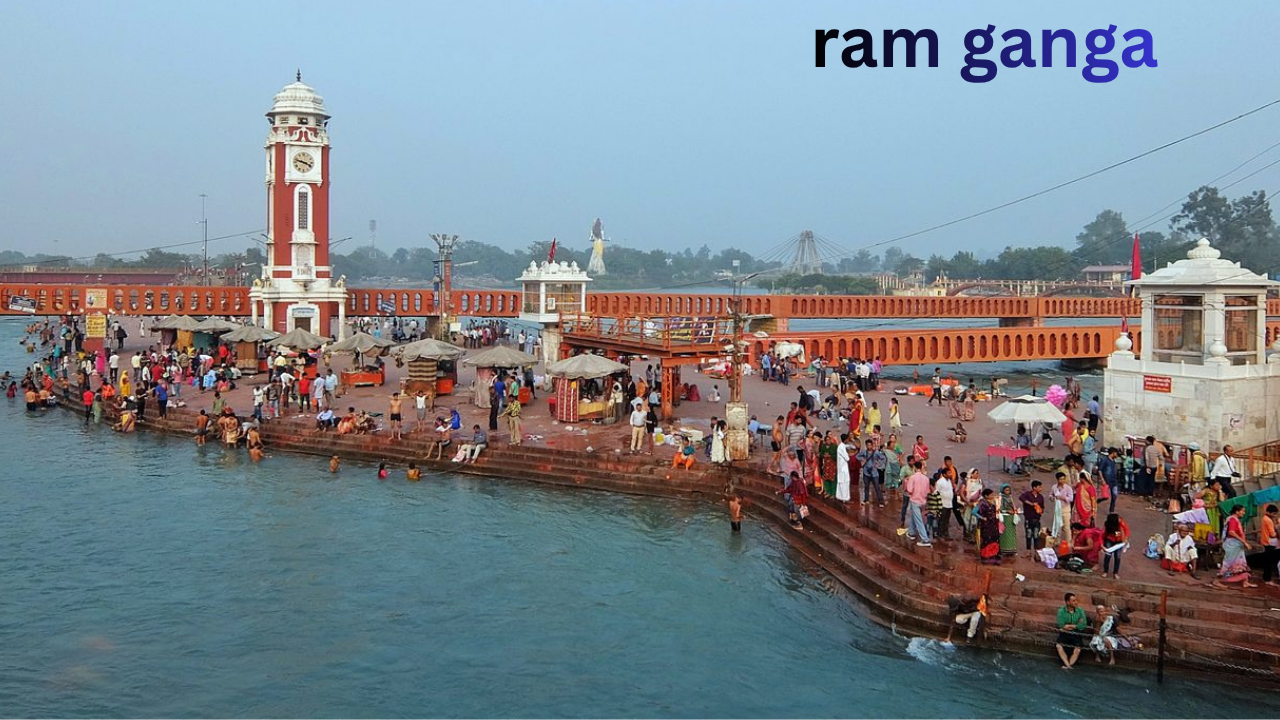
Most people know about the Ganges, the Yamuna, and maybe the Brahmaputra. But there is a river flowing through the heart of Uttarakhand that remains surprisingly overlooked. The Ram Ganga River stretches over 596 kilometers from the lower Himalayas to the plains of Uttar Pradesh. It feeds millions of people, supports one of India’s most famous national parks, and holds centuries of cultural significance. Yet very few travelers or nature lovers give it the attention it truly deserves.
This article will take you through the many hidden wonders of the Ram Ganga River. You will learn about its geography, its incredible wildlife, its cultural roots, and the challenges it faces today. Whether you are a student, a nature enthusiast, or someone planning a trip to Uttarakhand, this piece has something valuable for you. Let us explore why this river matters far more than most people realize.
Where Does the Ram Ganga River Begin?
The Ram Ganga River originates in the Doodhatoli ranges of the Pauri Garhwal district in Uttarakhand. These ranges sit at an elevation of roughly 3,110 meters above sea level. The river begins as a small stream in these cold, forested mountains before growing into a full river as it moves south.
From its origin, the Ramganga flows through the Kumaon hills, picking up water from several smaller streams and seasonal channels along the way. It passes through dense forests, rocky gorges, and open valleys. The terrain it crosses is some of the most beautiful and least visited in all of northern India.
After leaving the hills, the river enters the plains near the town of Kalagarh in Uttarakhand. This is where the Ramganga Dam stands, one of the most important structures along the river. From there, it continues through parts of Uttar Pradesh before eventually joining the Ganges near Kannauj. The total distance it covers makes it one of the significant left bank tributaries of the Ganges.
Two Rivers Share One Name
Here is something that confuses many people. There are actually two rivers called Ramganga. One is the western Ram Ganga, which is the larger and more well known of the two. The other is the eastern Ramganga, which flows through the Pithoragarh district and eventually merges with the Sharda River near the Nepal border.
The western Ram Ganga River is the one most references point to when discussing Corbett National Park, the Ramganga Dam, and the major irrigation systems in Uttar Pradesh. The eastern Ramganga, while smaller, also holds ecological and cultural importance. Both rivers contribute to the larger Ganges basin, but they follow very different paths through very different landscapes.
For the purpose of this article, we will focus mainly on the western Ram Ganga River since it carries more historical, ecological, and economic weight. However, knowing that two rivers share this name helps avoid confusion when reading maps or travel guides.
The Lifeline of Jim Corbett National Park
If you have ever heard of Jim Corbett National Park, then you have already encountered the influence of the Ram Ganga River without knowing it. Corbett is India’s oldest national park, established in 1936. The Ramganga flows right through its core zone, creating one of the richest wildlife habitats in the country.
The river provides drinking water for tigers, elephants, deer, and dozens of other species inside the park. During the dry months, the Ramganga becomes the primary water source for animals across large stretches of forest. Without it, the ecosystem inside Corbett would look very different.
Birdwatchers especially love the Ramganga corridor. Over 600 species of birds have been recorded in and around Corbett National Park. Many of these birds depend on the river and its banks for food, nesting, and shelter. Species like the crested serpent eagle, the great hornbill, and various kingfishers are regularly spotted near the water. The river creates a natural gathering point for wildlife, making it one of the best places in India for photography and observation.
The Ramganga Reservoir, formed by the dam near Kalagarh, has also become a haven for mugger crocodiles and gharials. These reptiles were once widespread across Indian rivers but have lost much of their habitat over the decades. The reservoir gives them a relatively safe environment to breed and grow. Conservation programs in the area have helped stabilize some of these populations, though challenges remain.
Rich Aquatic Life Beneath the Surface
Most people admire rivers for their surface beauty. But the real magic of the Ram Ganga River happens beneath the water. The river supports a wide variety of freshwater fish, many of which are native to the Himalayan foothills and found nowhere else on earth.
The golden mahseer is perhaps the most famous fish in the Ramganga. This powerful freshwater fish can grow over a meter in length and weigh more than 25 kilograms. Anglers from around the world consider it one of the most exciting sport fish on the planet. The mahseer population in the Ramganga has faced pressure from pollution and overfishing, but conservation efforts have made a difference in recent years.
Other notable fish species in the river include the snow trout, various species of catfish, and the goonch. The goonch is a large predatory catfish that has gained something of a legendary status. Some specimens have reportedly exceeded 80 kilograms. These fish thrive in the rocky, fast moving sections of the upper Ramganga where the water is cold and well oxygenated.
Freshwater mussels and various invertebrates also call the Ramganga home. These smaller creatures play a huge role in keeping the river clean by filtering water and breaking down organic matter. They form the base of a food chain that supports everything from fish to birds to large mammals on the riverbanks.
The Ramganga Dam and Its Impact
The Ramganga Dam, located near Kalagarh at the edge of Corbett National Park, was completed in 1974. It is an earth and rock fill dam standing about 128 meters tall. The reservoir behind it can store roughly 2.45 billion cubic meters of water. This makes it one of the most important water storage structures in northern India.
The dam serves several critical purposes. It provides irrigation water to over 600,000 hectares of farmland in Uttar Pradesh. It also generates hydroelectric power and helps control flooding in downstream areas during the monsoon season. For the agricultural communities in the Gangetic plain, the Ramganga Dam is genuinely essential.
However, the dam has also created challenges. It has altered the natural flow of the river, which affects fish migration patterns. Species like the mahseer, which need to move upstream to spawn, find the dam an impassable barrier. Sediment that would normally flow downstream and enrich the floodplains now settles behind the dam instead. This changes the character of the river below the dam and affects farming communities that once relied on natural silt deposits.
The reservoir itself has created a large body of still water where a flowing river once existed. This has changed local microclimates and affected some plant and animal species. On the positive side, the reservoir attracts migratory birds during winter, creating a secondary wildlife habitat that did not exist before.
Balancing the benefits of the dam with its environmental costs is an ongoing discussion among engineers, ecologists, and local communities.
Sacred and Cultural Significance
Rivers in India are never just bodies of water. They carry deep spiritual meaning, and the Ram Ganga River is no exception. For the communities living along its banks in Uttarakhand and Uttar Pradesh, the Ramganga holds a sacred place in daily life and religious practice.
Several temples and pilgrimage sites sit along the Ramganga. Devotees perform rituals at the river’s banks during festivals and auspicious days. The river is considered a purifier, much like its larger parent, the Ganges. In many villages, the Ramganga is the center of community life. Weddings, funerals, and seasonal celebrations all have some connection to the river.
In the Kumaon region, folk songs and stories often reference the Ramganga. It appears in local literature as a symbol of life, resilience, and natural beauty. Older generations pass down tales about the river to younger ones, keeping its cultural importance alive even as modern life changes the landscape around it.
The connection between people and the Ram Ganga River goes back hundreds of years. Archaeological evidence suggests that settlements along the Ramganga existed well before recorded history in the region. The river provided water for drinking, farming, and trade. It shaped the geography of human habitation in ways that are still visible today.
Forests and Landscapes Along the Ramganga
The Ram Ganga River passes through some of the most stunning natural landscapes in India. In its upper reaches, dense forests of oak, pine, and rhododendron cover the hillsides. These forests are home to leopards, Himalayan black bears, and langur monkeys. The air is cool, the water is crystal clear, and the silence is broken only by birdsong and the sound of rushing water.
As the river descends into the Shivalik hills and enters Corbett territory, the vegetation changes. Sal forests dominate this zone, creating thick canopies that shelter a wide range of animals. Tall grasses grow along the riverbanks, providing cover for tigers and their prey. This stretch of the Ramganga is arguably the most ecologically productive section of the entire river.
Below the dam, the landscape shifts again. The river enters flatter terrain, and the forests give way to farmland and small towns. The water moves more slowly here, spreading out into wide channels during the monsoon. Wetlands and marshes form along the edges, supporting a different but equally important set of plant and animal species.
Each section of the Ramganga has its own character and its own set of natural wonders. Traveling along the river from source to mouth would feel like passing through several completely different worlds.
Threats Facing the Ram Ganga River
Like many rivers in India, the Ram Ganga River faces serious threats. Some are old problems that have grown worse over time. Others are newer challenges brought on by rapid development and population growth.
Pollution is the most visible threat. As the river passes through towns and cities, it collects untreated sewage, industrial waste, and agricultural runoff. The water quality drops significantly between the upper reaches and the plains. In some stretches near urban areas, the river is too polluted for drinking or even bathing.
Sand mining is another major concern. Sand from the riverbed is extracted for use in construction. While some level of sand removal can be sustainable, the scale of mining along the Ramganga has exceeded safe limits in many areas. This destabilizes the riverbanks, increases erosion, and destroys habitats for fish and other aquatic life.
Deforestation in the upper catchment areas reduces the ability of the land to absorb rainwater. This leads to more severe flooding during the monsoon and lower water levels during dry months. The loss of tree cover also increases soil erosion, which adds sediment to the river and reduces water quality further.
Climate change is altering rainfall patterns in the region. Some years bring excessive rain and devastating floods. Other years see drought like conditions that leave the river dangerously low. These unpredictable swings make life harder for both wildlife and human communities along the Ramganga.
Conservation Efforts and Hope for the Future
Despite the challenges, there are reasons to be hopeful about the future of the Ram Ganga River. Several conservation programs are working to protect and restore the river and its surrounding ecosystems.
The Wildlife Institute of India has conducted studies on the Ramganga’s role within Corbett National Park. These studies have helped shape management policies that balance tourism, wildlife protection, and water use. Buffer zones around the park limit development in sensitive areas, though enforcement remains a challenge.
Local communities in Uttarakhand have started grassroots efforts to clean river sections and plant trees along the banks. These community led projects may be small in scale, but they create real change at the local level. They also build awareness among younger generations about the importance of protecting natural water systems.
The government’s Namami Gange program, which focuses on cleaning and rejuvenating the Ganges and its tributaries, includes the Ramganga in its scope. Funding has been allocated for sewage treatment plants and pollution monitoring along the river. Progress has been slow in some areas, but the inclusion of the Ramganga in a national level program is a positive step.
Fish conservation programs focused on the golden mahseer have also shown results. Controlled breeding and release programs, combined with stricter fishing regulations in some zones, have helped stabilize mahseer populations in parts of the river. These programs demonstrate that targeted conservation action can make a real difference.
Visiting the Ram Ganga River
If you want to experience the beauty of the Ram Ganga River firsthand, there are several excellent options. The easiest and most popular way is through a visit to Jim Corbett National Park. The park offers jeep safaris that follow routes along the river, giving visitors a chance to see wildlife in its natural habitat.
For those who prefer a quieter experience, the upper reaches of the Ramganga near Doodhatoli offer trekking opportunities through forests and along mountain streams. These areas see fewer tourists, which means a more peaceful and authentic connection with nature. However, infrastructure in these regions is limited, so plan accordingly.
Fishing enthusiasts can find guided mahseer fishing trips along certain stretches of the river. These trips are often catch and release, supporting conservation while allowing anglers to enjoy the thrill of hooking one of the world’s great freshwater fish. Always check local regulations before fishing, as some areas have seasonal restrictions.
The best time to visit the Ramganga depends on what you want to see. Winter months from November to February are ideal for birdwatching and wildlife viewing. The monsoon season from July to September shows the river at its most powerful but also makes many areas inaccessible. Spring and early summer offer pleasant weather and good visibility.
How the Ramganga Supports Local Economies
The economic importance of the Ram Ganga River extends far beyond the dam and its irrigation channels. Entire communities depend on the river for their daily livelihoods.
Farmers in the plains of Uttar Pradesh rely on Ramganga water for growing rice, wheat, sugarcane, and vegetables. The canal system fed by the Ramganga Dam reaches hundreds of thousands of hectares of farmland. Without this water, food production in the region would drop dramatically. This single river contributes to the food security of millions of people.
Fishing communities along the river earn their living from the Ramganga’s aquatic resources. While commercial fishing has declined in some areas due to pollution and overfishing, it still supports thousands of families. Sustainable fishing practices, if properly implemented, could help these communities thrive for generations.
Tourism related to the Ramganga also generates significant income. Corbett National Park attracts over 200,000 visitors annually, many of whom come specifically for the river and the wildlife it supports. Hotels, guides, transport services, and local shops all benefit from this tourism economy. The river is, in a very real sense, the engine that drives Corbett’s tourism industry.
Lesser Known Facts About the Ram Ganga River
Even people familiar with the Ramganga often miss some of its most interesting details. Here are a few facts that might surprise you.
The Ramganga’s water temperature varies dramatically from source to mouth. Near its origin in the Doodhatoli ranges, the water temperature can drop below 5 degrees Celsius during winter. By the time it reaches the plains of Uttar Pradesh, summer temperatures can push the water above 30 degrees Celsius. This range creates vastly different habitats along the river’s length.
The river has been mentioned in historical texts dating back several centuries. British era records from the 1800s describe the Ramganga as a “sportsman’s paradise” due to the abundance of fish and wildlife along its banks. Jim Corbett himself, the famous hunter turned conservationist after whom the national park is named, wrote about the Ramganga in his books. His descriptions of the river and its surroundings helped bring international attention to the region.
The Kalagarh Dam reservoir sometimes reveals remnants of old villages that were submerged when the dam was built. During years of low water levels, foundations and remnants of structures become visible. These ghostly reminders speak to the human cost of large infrastructure projects and the communities that were displaced.
The Ramganga also plays a role in groundwater recharge. As the river flows through sandy and porous terrain in the plains, water seeps into underground aquifers. These aquifers supply wells and tube wells used by millions of people. The health of the Ramganga directly affects the availability and quality of groundwater across a large region.
The Connection Between Ramganga and the Ganges
As a major tributary of the Ganges, the Ram Ganga River contributes significantly to the health and volume of India’s most sacred river. The Ramganga meets the Ganges near Kannauj in Uttar Pradesh, adding substantial flow during both the monsoon and dry seasons.
The quality of water that the Ramganga delivers to the Ganges matters a great deal. If the Ramganga carries heavy pollution loads, that pollution transfers directly into the Ganges. Cleaning the Ramganga is therefore not just about protecting one river. It is about protecting the entire Ganges basin and the hundreds of millions of people who depend on it.
Scientists who study river systems in India increasingly recognize that you cannot fix the Ganges without fixing its tributaries first. The Ramganga is one of the most important tributaries in terms of both water volume and pollution contribution. Efforts to improve water quality in the Ramganga have a multiplied positive effect downstream.
This interconnection also means that ecological improvements along the Ramganga benefit the broader Ganges ecosystem. Fish populations, bird migration routes, and nutrient cycles all connect across these river systems. A healthy Ram Ganga River means a healthier Ganges, and ultimately, a healthier environment for one of the most densely populated regions on Earth.
What You Can Do
You do not need to be a scientist or a government official to help protect the Ram Ganga River. Small actions by ordinary people add up over time and create meaningful change.
If you visit the Ramganga or Corbett National Park, practice responsible tourism. Do not litter, stay on designated paths, and follow park rules. Choose local guides and services that prioritize sustainability. Your choices as a tourist send a message to the local economy about what kind of development is welcome.
Support organizations working on river conservation in India. Many nonprofits and community groups focus on cleaning rivers, planting trees, and monitoring water quality. Even a small donation or volunteer effort can help these groups expand their work.
Talk about the Ramganga. Share what you have learned with friends, family, and on social media. Awareness is the first step in building the public support needed for stronger environmental protections. The more people know about the hidden wonders of the Ram Ganga River, the harder it becomes for decision makers to ignore its needs.
Reduce your own water footprint. Every drop of water you save reduces pressure on rivers like the Ramganga. Simple changes like fixing leaks, using water efficient appliances, and being mindful of water use in daily life all contribute to a larger solution.
Conclusion
The Ram Ganga River is one of India’s most underappreciated natural treasures. From its origins in the misty mountains of Doodhatoli to its merger with the Ganges in the plains of Uttar Pradesh, it sustains wildlife, feeds farms, powers communities, and carries deep cultural meaning. It flows through one of the world’s most famous national parks and supports species found nowhere else on earth.
You may like
Ganga Updates
The Ganga River Unprecedented Low Streamflow and Its Implications

Published
7 months agoon
December 1, 2025By
Raju Patel
As the sacred waters of the Ganga, revered by millions, ebb to unprecedented lows, a silent crisis unfolds along its banks. Once a roaring lifeline that nourished countless communities and ecosystems, India’s holiest river now faces alarming challenges that threaten not only its flow but also the very fabric of life intertwined with it. From agricultural distress to dwindling fish populations and increasing pollution levels, the implications are vast—and urgent. Join us as we delve deep into this pivotal moment in history, exploring what these low streamflows mean for both people and nature alike. Together, let’s navigate through this complex tapestry of tradition, ecology, and survival in one of the world’s most vital waterways.
Introduction to the Ganga River and its historical significance
The Ganga River, a sacred lifeline for millions in India, has long been revered not just as a waterway but as an embodiment of culture and spirituality. Stretching over 2,500 kilometers, it weaves through the heart of the subcontinent, nourishing cities and villages alike. Historically significant, this river has witnessed the rise and fall of civilizations while providing sustenance to countless communities along its banks.
However, today’s reality presents a stark contrast to its storied past. The Ganga faces an unprecedented crisis marked by dangerously low streamflow levels that threaten both ecological balance and human livelihoods. As we navigate this pressing issue together—understanding its causes and implications—we uncover why action is imperative for preserving one of India’s most precious resources.
The current crisis: Reasons for low streamflow and the impact on communities
The Ganga River, once a robust lifeline for millions, now faces an alarming decline in streamflow. Several factors contribute to this crisis. Rapid urbanization leads to increased water extraction and pollution, straining the river’s resources.
Moreover, extensive damming projects disrupt natural flow patterns. These infrastructures are vital for irrigation and power generation, but compromise the ecological balance of the river.
Communities that depend on the Ganga face dire consequences. Farmers struggle as fields dry up, lacking sufficient irrigation. Fishermen see dwindling catches affecting their livelihoods and food security.
Additionally, local populations suffer from inadequate access to clean drinking water due to declining river levels. The cultural significance of the Ganga adds another layer; rituals tied to its waters become increasingly challenging as sacred sites experience lower flows.
Examining the role of climate change in the situation
Climate change is a significant factor behind the Ganga River’s unprecedented low streamflow. Rising temperatures have led to altered precipitation patterns across India. This means less rain during critical monsoon months, impacting river levels dramatically.
Glacial melt from the Himalayas also plays a crucial role. As global warming accelerates, glaciers retreat faster than before. This phenomenon reduces the long-term supply of freshwater that feeds into the Ganga.
Moreover, extreme weather events—such as unpredictable droughts and heavy flooding—are becoming more common. These fluctuations disrupt local ecosystems and affect communities reliant on the river for sustenance and livelihood.
The intertwined relationship between climate change and water resources highlights an urgent need for adaptive strategies. Stakeholders must recognize these challenges to formulate effective responses tailored to preserving this vital waterway.
India’s response: Proposed changes to the Ganges water-sharing treaty with Bangladesh
India’s response to the crisis surrounding the Ganga River has been multifaceted, particularly in relation to its water-sharing agreement with Bangladesh. The unprecedentedly low streamflow has raised urgent concerns about equitable access.
One major proposal involves renegotiating aspects of the Ganges Water Sharing Treaty established in 1996. This treaty aimed for a fair distribution but may now be inadequate given current environmental challenges.
The Indian government is exploring options that could enhance cooperation with Bangladesh while ensuring both nations can address their growing water needs. Discussions are likely to focus on adaptive management strategies and enhanced monitoring systems.
Additionally, there’s emphasis on joint initiatives for sustainable water usage and conservation practices along shared riverbanks. Strengthening diplomatic ties through dialogue will be essential as both countries navigate these pressing issues together.
Global implications of the Ganga River crisis
The Ganga River crisis extends far beyond India’s borders. As one of the most important rivers in South Asia, its health is vital for regional ecosystems and economies. The Ganga serves millions who depend on it for agriculture, drinking water, and livelihoods.
When streamflow decreases, neighboring countries feel the repercussions too. Bangladesh relies heavily on cross-border water sharing with India. Reduced flow can lead to disputes over resources that could escalate into political tensions.
Moreover, a diminished Ganga compromises biodiversity within its watershed. Unique species face habitat loss due to changing water levels. This situation disrupts local fishing industries that many communities rely upon for sustenance.
Internationally, the plight of the Ganga raises alarms about climate resilience and sustainable practices worldwide. Observers look closely at how this river’s fate echoes larger patterns of environmental degradation across vulnerable regions globally.
Possible solutions and steps towards sustainability
To address the Ganga River crisis, a multi-faceted approach is essential. First, we must enhance water conservation techniques across agriculture. Implementing rainwater harvesting can significantly reduce dependency on river flow.
Another avenue lies in restoring wetlands along the riverbanks. These natural systems act as buffers, absorbing excess water during floods and releasing it slowly during dry spells. Community engagement plays a pivotal role, too. Educating local populations about sustainable practices ensures they understand their impact on this vital resource.
Additionally, investing in modern waste management systems can help alleviate pollution levels in the Ganga. Cleaner waters contribute to better streamflow and healthier ecosystems. Lastly, fostering international cooperation with neighboring countries like Bangladesh is crucial for equitable water-sharing agreements that benefit all parties involved while preserving this sacred river’s integrity.
Conclusion: Why we need to take action now for the future of the Ganga River.
The Ganga River, a lifeline for millions, faces an unprecedented crisis. With streamflow at alarmingly low levels, the implications extend far beyond its banks. Communities reliant on this sacred waterway are grappling with dwindling resources and shifting ecosystems.
Urgent action is required to address the multifaceted challenges posed by climate change and unsustainable practices. The proposed changes to the Ganges water-sharing treaty with Bangladesh signal a critical step towards collaborative management of this vital resource. However, more needs to be done.
Sustainability must become a priority in policymaking and community engagement alike. Innovative approaches that balance ecological health with human needs will be essential as we move forward.
Every moment counts for the future of the Ganga River and all those who rely on it. It’s time for individuals, communities, governments, and organizations worldwide to unite in safeguarding this irreplaceable treasure before it’s too late. Taking proactive steps today can ensure that future generations experience not just a river but an enduring legacy of hope and life flowing through their lands.
Ganga Updates
Latest News, Photos, Videos on Ganga Floods
Published
11 months agoon
July 25, 2025By
Raju Patel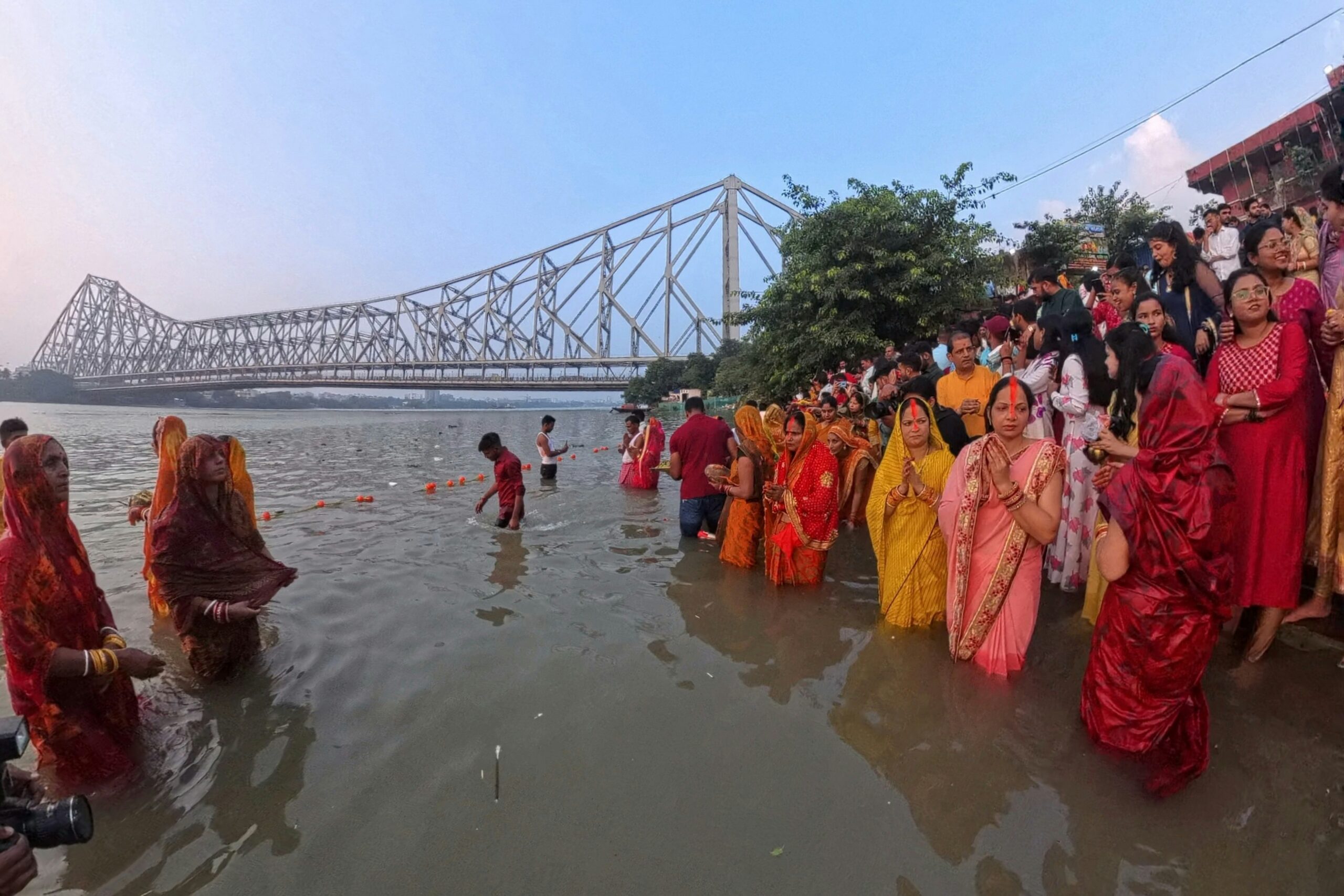
Introduction to the Ganga Floods
The Ganga, one of the holiest rivers in India, has been a lifeline for millions. Yet, its beauty and significance are often overshadowed by devastating floods that wreak havoc on communities along its banks. Recently, heavy rains have triggered severe flooding across various regions, leaving many searching for answers and assistance. As we delve into the latest news surrounding the Ganga Floods, we’ll explore their causes, impacts on lives and ecosystems, government responses to crisis situations, and what can be done to mitigate future disasters. Join us as we navigate through this pressing issue affecting countless individuals and families who call the banks of this sacred river home.
Causes of the Floods
The Ganga floods are primarily triggered by intense monsoon rains. During the rainy season, heavy downpours can lead to rapid water accumulation in the river.
Deforestation further exacerbates this issue. Without trees to absorb rainfall and stabilize soil, runoff increases dramatically. Urbanization adds another layer of complexity, as concrete surfaces limit natural drainage.
Additionally, glacial melt from the Himalayas contributes significantly during warmer months. As temperatures rise, glaciers release more water into the river system.
Moreover, inadequate infrastructure plays a vital role. Poorly maintained dams and levees often fail under pressure during peak flooding events. This lack of preparedness leaves communities vulnerable when nature strikes its hardest.
Sedimentation within the riverbed reduces capacity over time. With less space for floodwaters to flow through safely, rising levels become inevitable during extreme weather conditions.
Impact on Communities and Environment
The Ganga floods have a profound impact on local communities. Homes are submerged, forcing families to evacuate and seek shelter in temporary camps. Livelihoods are disrupted as farmers lose crops, leading to food scarcity and economic strain.
Access to clean water becomes a significant challenge during these disasters. Contaminated sources increase the risk of waterborne diseases, affecting public health dramatically. Hospitals often become overwhelmed with patients suffering from ailments related to flooding.
The environment also bears the brunt of these floods. Aquatic ecosystems can be devastated when pollutants wash into the river system. Wildlife habitats suffer loss or degradation, threatening biodiversity that takes years to recover.
Natural resources face depletion due to over-extraction in recovery efforts. Soil erosion worsens as floodwaters recede, leaving agricultural land less fertile for future planting seasons. The long-term consequences ripple through both community resilience and environmental stability.
Government Response and Relief Efforts
The government’s response to the Ganga floods has been multifaceted. Authorities quickly mobilized resources, deploying teams for immediate rescue operations.
Relief camps were set up to provide shelter and basic necessities for those displaced by the rising waters. Food packets, clean water, and medical assistance became priorities in these critical situations.
Local administrations worked alongside national agencies to ensure that aid reached affected communities efficiently. Coordination with NGOs also played a vital role in extending support where it was most needed.
Additionally, relief funds were announced to help rebuild homes and restore livelihoods. These efforts aimed not just at immediate relief but also long-term recovery strategies.
Despite these measures, challenges remain significant. Accessing remote areas proves difficult during severe flooding conditions, complicating the delivery of essential services. The need for a comprehensive disaster management plan has never been clearer amidst such recurring crises.
Role of Climate Change in Ganga Floods
Climate change significantly influences the patterns of rainfall and river flow, contributing to the severity of Ganga floods. Warmer temperatures lead to increased evaporation and altered precipitation cycles. This disruption results in intense downpours during monsoon seasons.
The glaciers in the Himalayas, which feed the Ganga River, are receding rapidly due to climate warming. As these glaciers melt faster than usual, they release large volumes of water into rivers. When combined with heavy rains, this creates a perfect storm for flooding.
Additionally, rising sea levels threaten low-lying areas along the river’s banks. Increased salinity can affect agriculture and freshwater supplies in those regions.
These interconnected factors underline how climate change exacerbates existing vulnerabilities. It poses profound risks not only to human life but also to ecosystems reliant on stable water flows from the Ganga River system.
Ways to Prevent Future Flooding
Implementing effective flood management systems is crucial. Building dams and reservoirs can control water flow during heavy rains. These structures can store excess water, minimizing the risk of overflow in populated areas.
Reforestation plays a vital role too. Planting trees along riverbanks stabilizes soil and reduces erosion. Vegetation absorbs rainfall, preventing runoff that leads to flooding.
Community awareness programs are essential for preparedness. Educating residents on evacuation plans and emergency kits empowers them to respond quickly when floods occur.
Investing in sustainable urban planning makes a difference as well. Designing drainage systems with adequate capacity can reduce surface water accumulation during storms.
Utilizing technology like satellite imagery aids in real-time monitoring of river levels, allowing authorities to issue timely warnings about potential flooding events.
Collaborative efforts between governments, NGOs, and local communities foster resilience against future disasters by sharing resources and knowledge effectively.
Conclusion: Importance of Protecting our Natural Resources
Protecting our natural resources is crucial for sustaining life and ensuring ecological balance. Healthy ecosystems provide clean air, water, and fertile soil—essential components for human survival.
When we neglect these vital assets, the repercussions can be devastating. Floods like those of the Ganga highlight our vulnerability to nature’s fury. Ignoring environmental degradation only accelerates such disasters.
Investing in conservation practices not only mitigates flooding but also fosters biodiversity. A rich ecosystem serves as a buffer against climate change effects.
Communities must come together to advocate for sustainable practices. Education plays a significant role in raising awareness about resource management.
Every small action counts. Simple changes at individual or community levels can lead to significant impacts over time. Protecting what sustains us is not just an obligation; it’s an opportunity for future generations to thrive harmoniously with nature.
Overview of the Ganga Floods
The Ganga Floods have become a significant concern for millions living along the river’s banks. Each year, heavy monsoon rains contribute to rising water levels, leading to widespread inundation.
These floods affect various states in India, including Uttarakhand, Uttar Pradesh, Bihar, and West Bengal. The impact on local communities is profound as homes and livelihoods are submerged in water.
Riverside villages face displacement while urban areas grapple with infrastructure damage. Roads become impassable; schools close their doors.
Additionally, the ecological balance of the region suffers tremendously during these natural disasters. Aquatic life faces disruption while land erosion accelerates.
Understanding this phenomenon requires attention not only to seasonal patterns but also long-term changes impacting the river system itself. Local authorities often struggle to predict flood events accurately due to complex weather systems at play each year.
Causes of the Floods
The Ganga Floods result from a complex interplay of natural and human-induced factors.
Heavy monsoon rainfall is a primary trigger. Each year, the Indian subcontinent experiences intense downpours that overwhelm riverbanks. The Ganga, with its vast catchment area, often cannot absorb excess water in time.
Urbanization plays a significant role too. Rapid development along the river has led to concrete structures replacing natural landscapes. This creates obstacles for rainwater absorption, increasing surface runoff.
Deforestation worsens the situation by stripping away vital vegetation that helps retain soil moisture. Without trees and plants to hold back water, it easily flows into rivers.
Additionally, ineffective drainage systems in many urban areas contribute to flooding during heavy rains. These outdated infrastructures struggle under pressure when storms hit.
Glacial melt due to rising temperatures adds another layer of complexity as glaciers feeding into the Ganga release more water than usual each season.
Impact on People and Environment
The Ganga floods have devastating effects on local communities. Families are displaced, homes destroyed, and livelihoods disrupted. Farmers see their crops washed away, leading to food insecurity and economic hardship.
Additionally, access to clean water becomes a challenge during flooding events. Contaminated water sources increase the risk of disease outbreaks. This creates a public health crisis that can linger long after the waters recede.
The environment suffers too. Aquatic ecosystems face severe disruption as habitats are altered or destroyed. Fish populations decline due to changes in water quality and flow patterns.
Moreover, biodiversity is threatened as native species struggle to adapt to these sudden changes. The delicate balance of life along the river’s banks is put at risk when human activities intertwine with natural disasters like floods.
These impacts ripple through both human lives and natural systems, highlighting an urgent need for comprehensive solutions and sustainable practices.
Government Response and Relief Efforts
The government has mobilized resources swiftly in response to the recent Ganga floods. Relief teams have been dispatched to the most affected regions, providing immediate assistance to those in need.
Aid packages containing food, water, and essential supplies are being distributed widely. Temporary shelters have also been established for displaced families, ensuring they have a safe place during this crisis.
Local authorities are coordinating with non-governmental organizations (NGOs) to enhance relief efforts. These partnerships aim to improve logistics and ensure that help reaches every corner of affected communities.
Health services are on high alert as well. Medical camps are set up for treating flood-related ailments and preventing outbreaks.
While challenges remain significant, the focus is firmly on rebuilding lives and restoring normalcy as quickly as possible. The resilience of both local populations and responders shines through amidst these trying circumstances.
Prevention Measures for Future Floods
Flood prevention requires a multi-faceted approach. First, enhancing river management systems is crucial. Implementing effective dam structures can help control water flow during heavy rains.
Reforestation plays a vital role too. Restoring natural vegetation along riverbanks reduces soil erosion and absorbs excess rainwater.
Urban planning should focus on sustainable development practices. Creating green spaces and permeable surfaces in cities allows for better water absorption, reducing runoff into rivers.
Community awareness programs are essential as well. Educating residents about flood risks and preparedness can save lives when disasters strike.
Investing in advanced weather forecasting technology ensures timely warnings for affected areas, enabling proactive measures before floods occur.
Collaboration between government bodies and local communities strengthens efforts to create resilient infrastructures against future flooding events.
Personal Experiences and Stories from Affected Areas
The Ganga Floods have left indelible marks on the lives of many families. In a small village near Varanasi, villagers gathered as floodwaters seeped into their homes, turning streets into rivers. Children waded through murky waters, while parents scrambled to save what little they could.
One elderly woman recounted her heartbreak as she watched decades of memories wash away. Her family’s ancestral home was engulfed in just hours. Yet amidst despair, stories of resilience emerged.
A local farmer shared how his community came together to help each other rebuild after the waters receded. They formed makeshift shelters and distributed food supplies to those in need.
Each story reflects a deep connection to the land and river that sustains them—reminding us all about the fragility of life along this mighty waterway and the strength found within communities during trying times.
Conclusion: Importance of Addressing Climate Change to Prevent Further Disasters
Addressing climate change is crucial for preventing disasters like the Ganga floods. The increasing frequency and intensity of such events highlight the urgent need for action. Rising temperatures, erratic rainfall patterns, and melting glaciers contribute significantly to flooding in river basins.
Local communities bear the brunt of these changes, facing displacement and loss of livelihoods. Sustainable practices must be adopted to safeguard both people and ecosystems along the Ganga River.
Investment in infrastructure that can withstand extreme weather is vital. This includes better drainage systems, flood barriers, and early warning systems that can save lives.
Public awareness campaigns are equally important. Educating residents about flood preparedness can make a real difference during crises.
Collaboration between governments, NGOs, and local populations will foster resilience against future floods caused by climate change’s impacts on our environment.
Protecting natural resources isn’t just an environmental issue; it’s critical for social stability and economic development as well. By working together to combat climate change now, we can ensure a safer future for those living near vulnerable waterways like the Ganga River.
Trending
-
 Tech4 months ago
Remote Work: A Complete Guide to Working from Anywhere
-
 Tech5 months ago
Twizchat.com: The Future of Real-Time Online Communication
-

 Ganga Quest11 months ago
Ganga Quest
-
 Ganga Updates11 months ago
Latest News, Photos, Videos on Ganga Floods
-
 Tech6 months ago
Top 10 Digital Printing Companies in Chicago
-

 Tech11 months ago
InternetChocks: Understanding Their Role in Online Security
-

 Business11 months ago
How To Win Buyers And Influence Sales with MYPASCOCONNECT
-
 Lifestyle6 months ago
Creative Grounding Techniques for Everyday Stress Relief